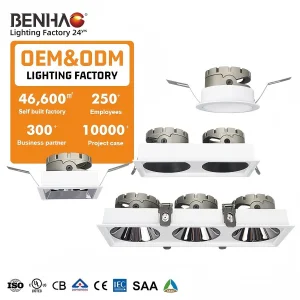
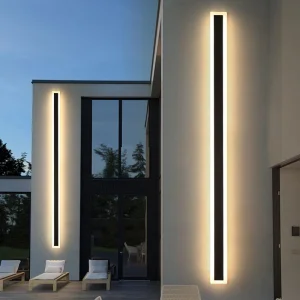
Engineered for high efficiency, color fidelity, and dynamic adjustability. Explore our premium selection built for modern commercial and industrial environments.
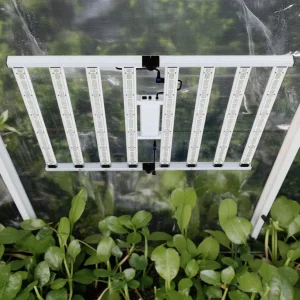

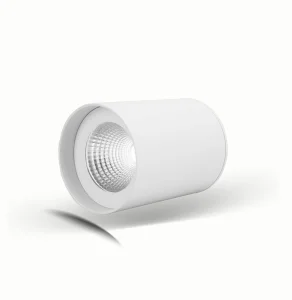
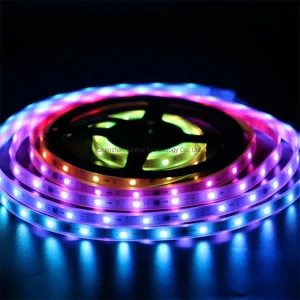
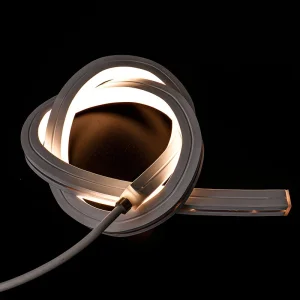
In modern architectural engineering and high-end commercial spatial design, illumination is no longer treated as a static utility. It has evolved into a dynamic architectural element. The LED Gimbal Light—characterized by its multi-axis directional adjustability, recessed structural form, and spot-to-flood precision—represents a critical advancement in directional lighting technology.
For international sourcing directors, lighting designers, and real estate developers, identifying premium manufacturing partners is paramount. It involves evaluating not just nominal luminaire output, but deep-level engineering matrices: thermal dissipation profiles, optical beam control, driver reliability, mechanical tolerance under repeated adjustment, and supply chain continuity. This whitepaper provides a comprehensive analytical framework for selecting the top global LED gimbal light manufacturers, with a specific focus on the strategic manufacturing strengths of China's premier lighting clusters.
Situated in Guzhen, Zhongshan—widely recognized as "China’s Lighting Capital"—Zhongshan Zentem Light Co., Ltd. stands as a premier benchmark for professional lighting manufacture and global distribution.
Zentem specializes in the end-to-end design, manufacturing, and export of high-grade LED lighting equipment. The company's comprehensive product catalog features state-of-the-art LED bulbs, SKD component packs, LED panel lights, rechargeable emergency systems, and high-purity luminaires. Designed and engineered for global compliance, all products strictly adhere to rigorous quality benchmarks, acquiring international certifications such as ISO9001, CE, CB, RoHS, and CCC. Beyond standard certifications, Zentem provides expert engineering and regulatory compliance support to assist clients in attaining specific localized standards in their target regions.
Leveraging over 15 years of deep industry expertise, Zentem has cultivated a trusted distribution and partner network spanning more than 80 countries across Asia, the Middle East, Africa, and South America. Having successfully completed complex OEM and ODM portfolios for over 1,000 global clients, the company is built on a foundation of professional reliability and rigorous industrial standard.
Understanding that corporate buyers face significant capital allocation decisions, Zentem offers flexible, risk-mitigating financial and commercial frameworks. These include structured T/T options, balance clearance before Bill of Lading (B/L) release, Letters of Credit (L/C), open accounts, and monthly statement facilities. By streamlining operational cash flow constraints for importers, Zentem positions itself not merely as a factory supplier, but as a strategic long-term development partner.
A professional factory's capability is determined by its physical infrastructure and quality control protocols. Zentem's operations are defined by five core structural pillars:
Over a decade and a half of engineering refinement. Our design team possesses a deep understanding of global regional safety codes, standard photobiological safety standards, and optimal luminous efficacy metrics.
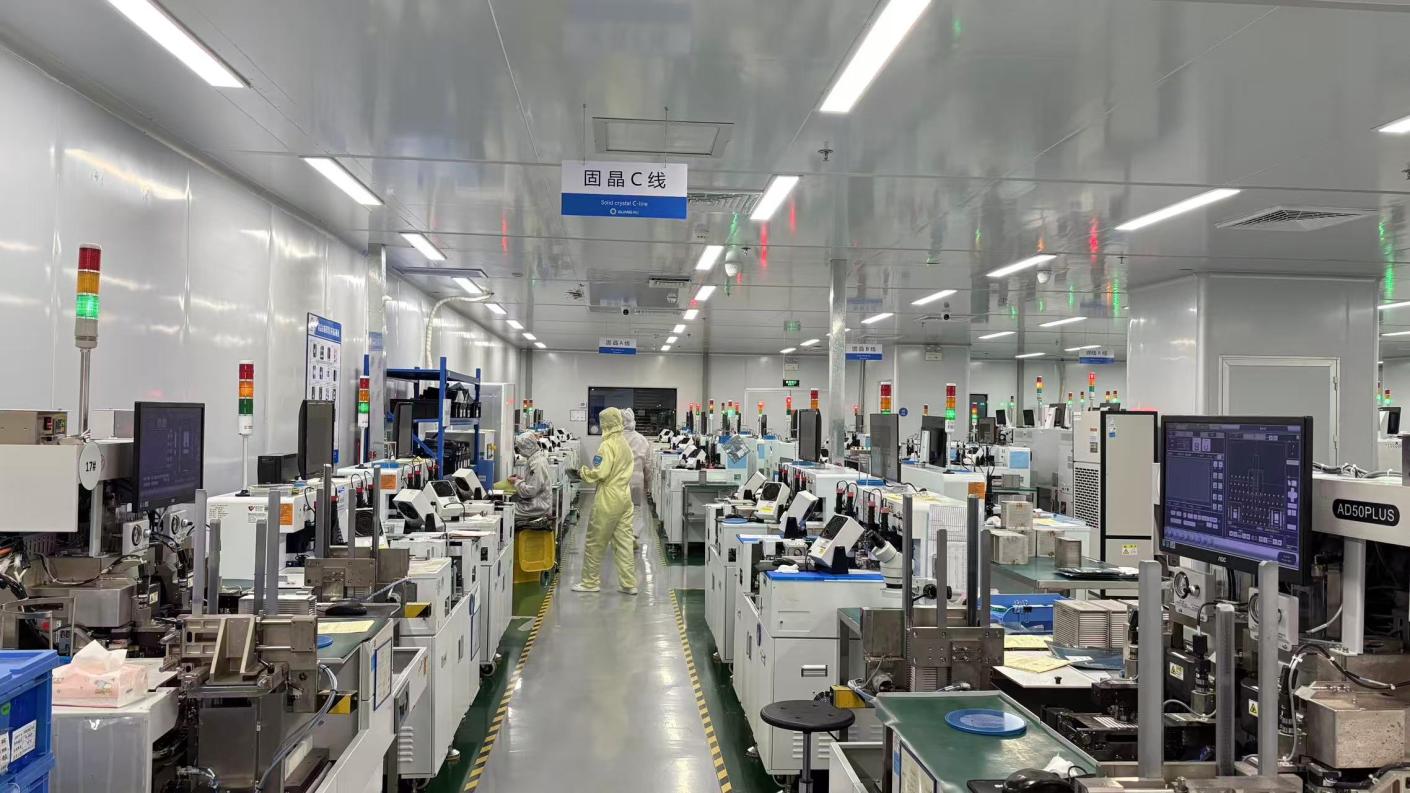
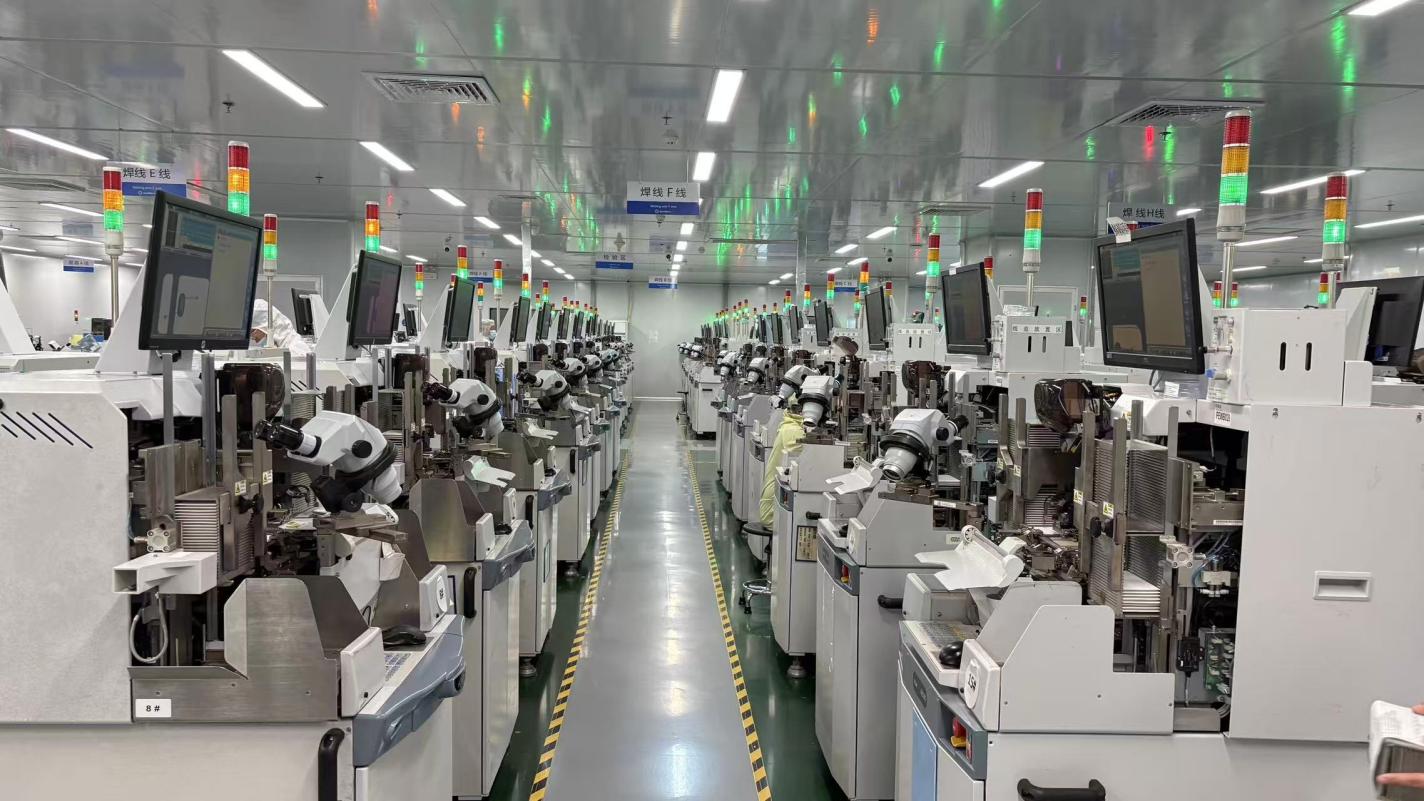
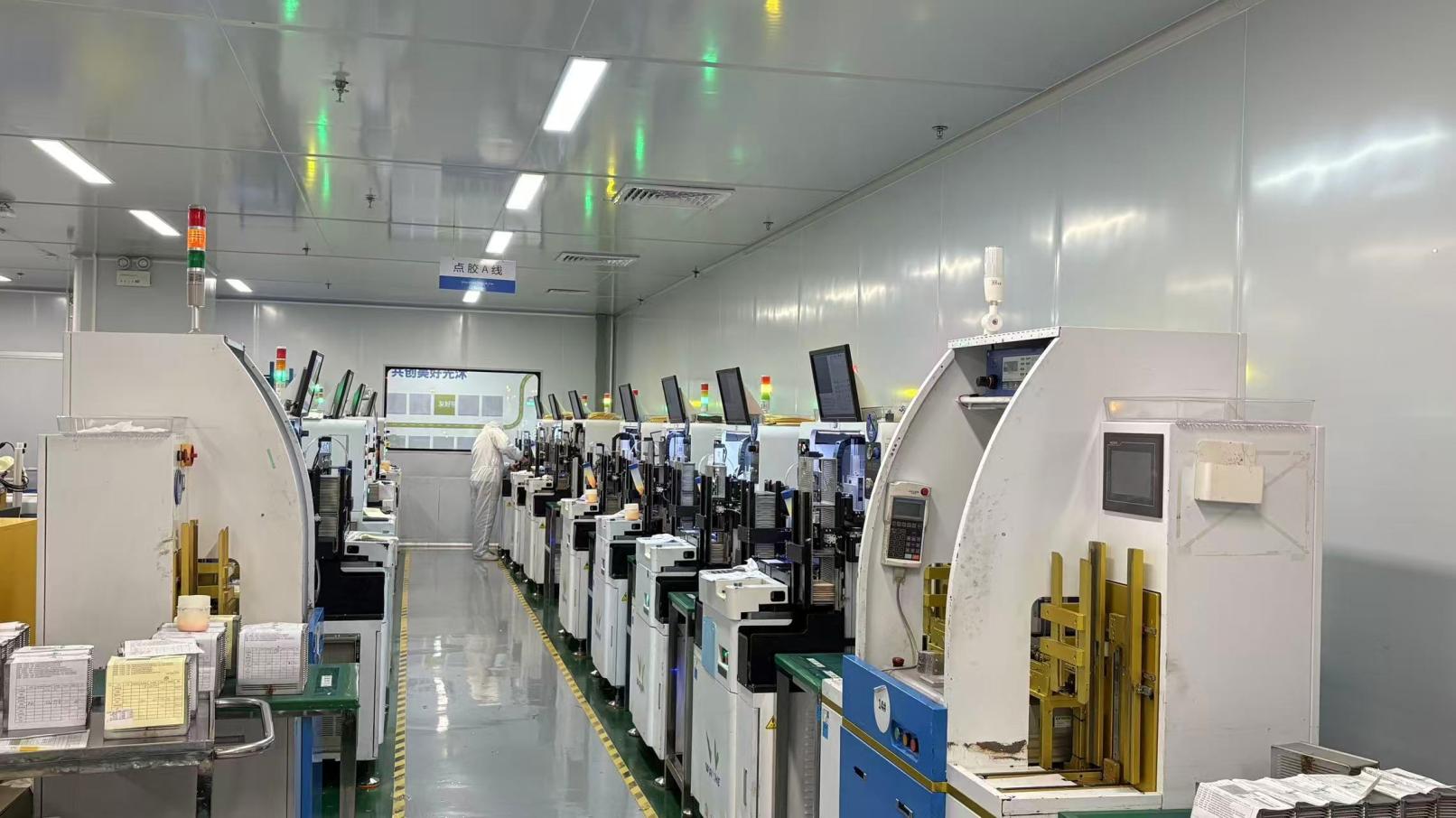
Operating a 42,800㎡ state-of-the-art facility containing 16 high-speed automated production lines. Equipped with high-precision Samsung SMT placement machinery and automatic optical inspection (AOI) equipment, achieving a consistent daily output exceeding 200,000 units.
We provide full-spectrum custom configurations: tailored wattage targets, precise Color Rendering Index (CRI Ra >90, R9 >50) requirements, custom beam-shaping lenses, and structural aesthetic modifications with rapid prototyping.
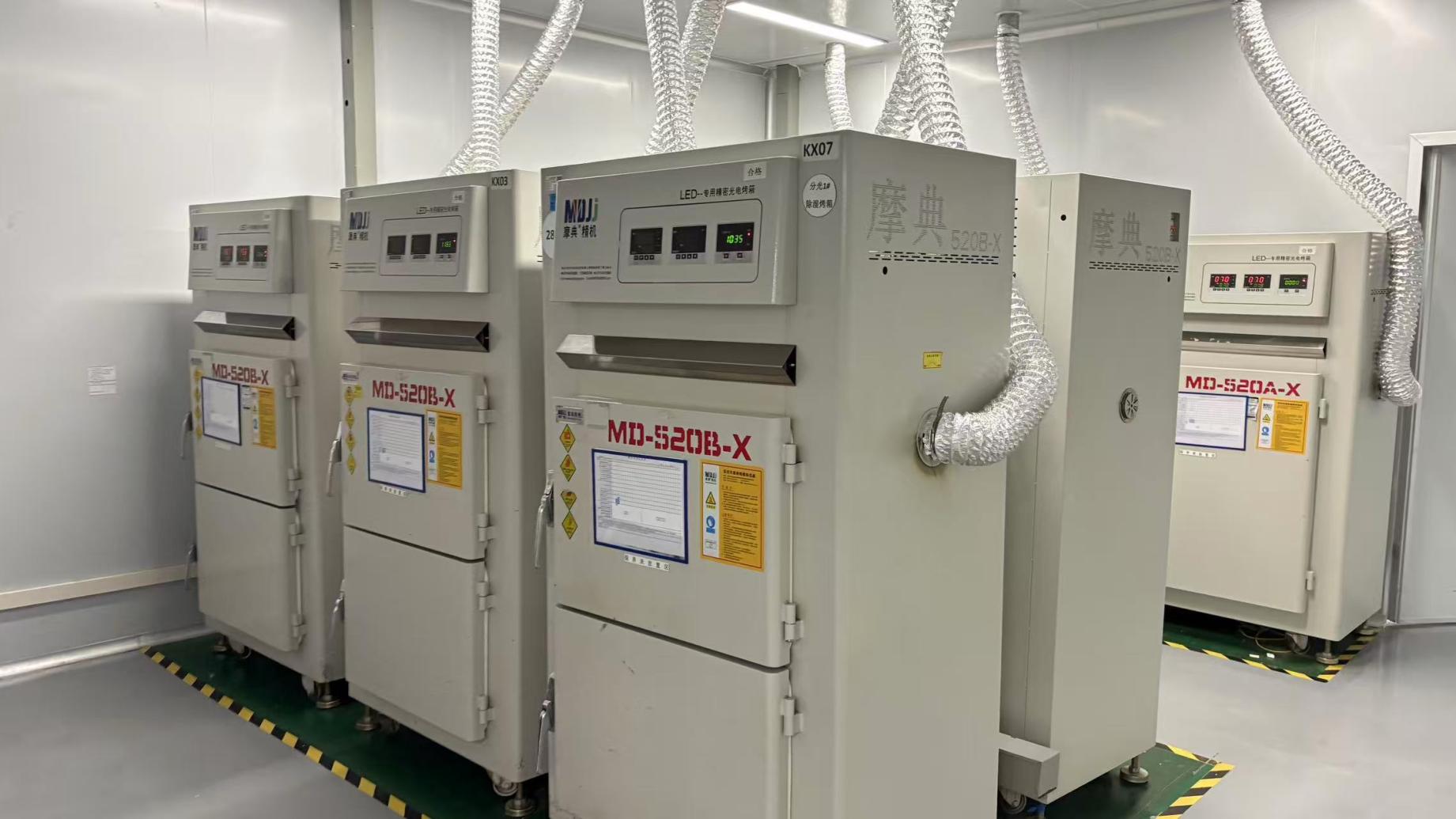
Quality control is implemented throughout our raw material intake (IQC), in-process assembly line checks (IPQC), and final output verification. Our specialized optoelectronic testing lab utilizes integrating spheres, goniophotometers, and accelerated thermal aging chambers to guarantee performance safety and lumen maintenance.
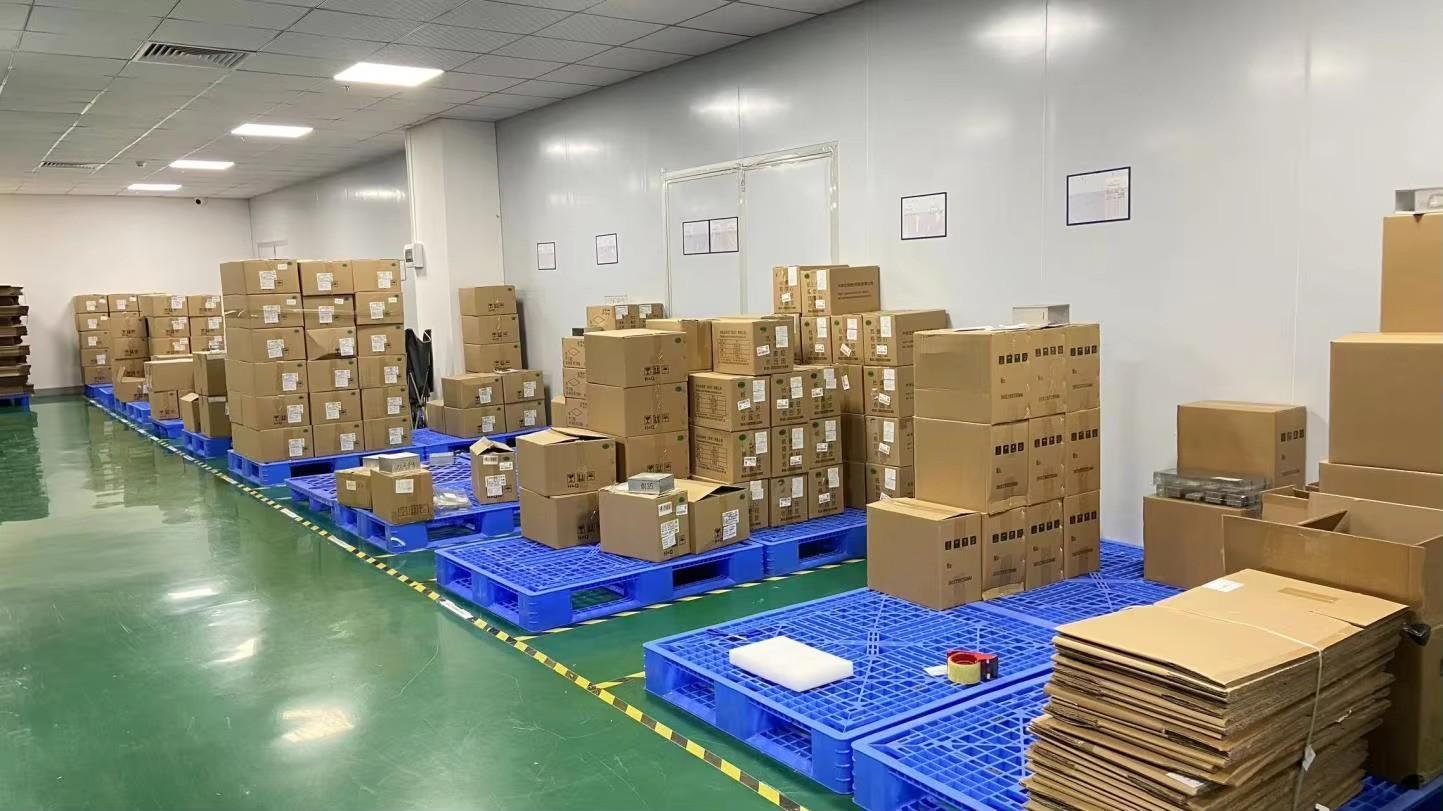
With four dedicated raw material and finished product warehouses covering over 21,800㎡, Zentem ensures continuous inventory stability. This layout mitigates global raw material market volatility and supports rapid, predictable lead times.
True E-E-A-T (Experience, Expertise, Authoritativeness, and Trustworthiness) is verified through transparent production practices. Below is a detailed chronological sequence of our advanced production lines operating in our Guzhen factory.
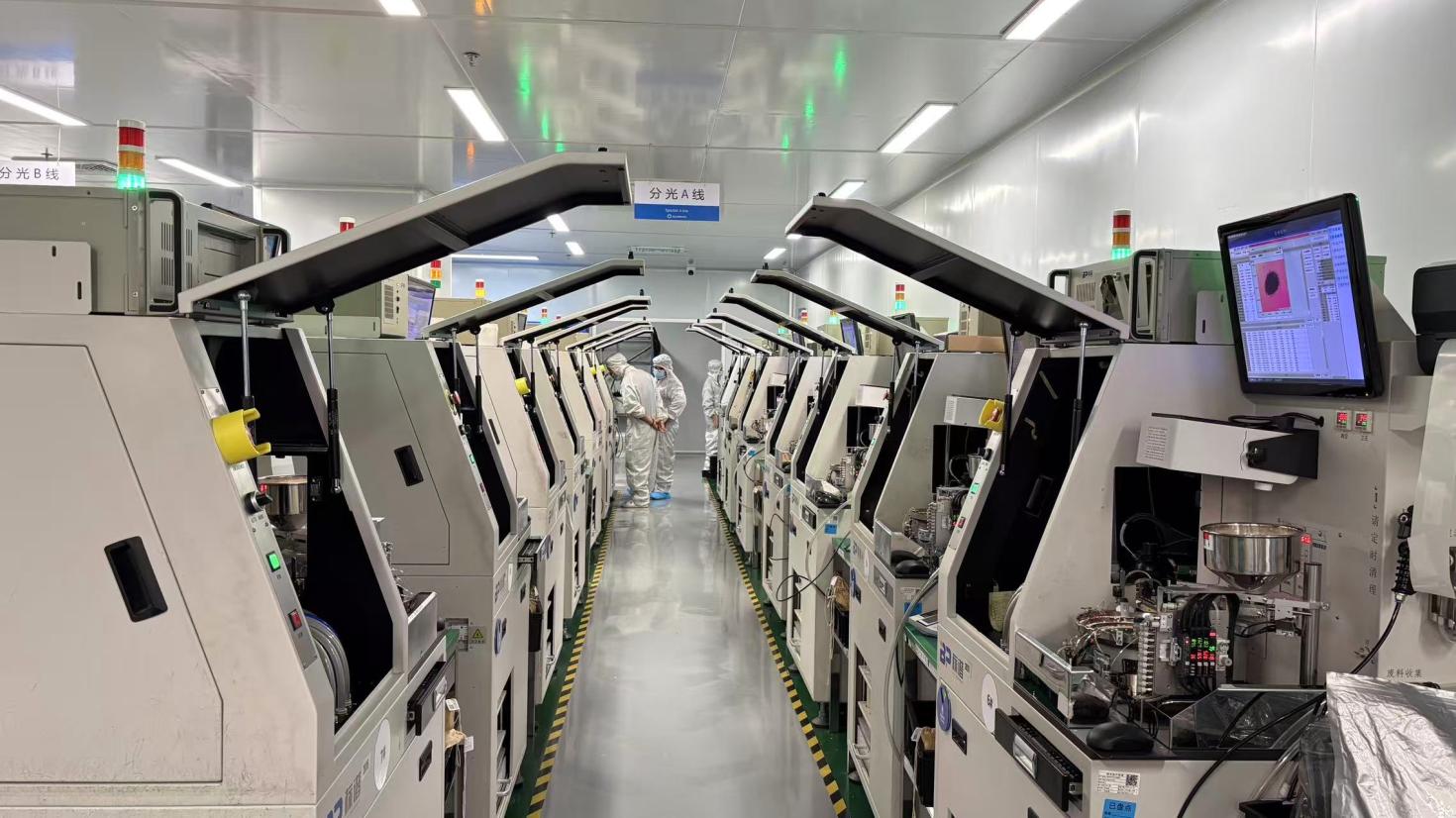
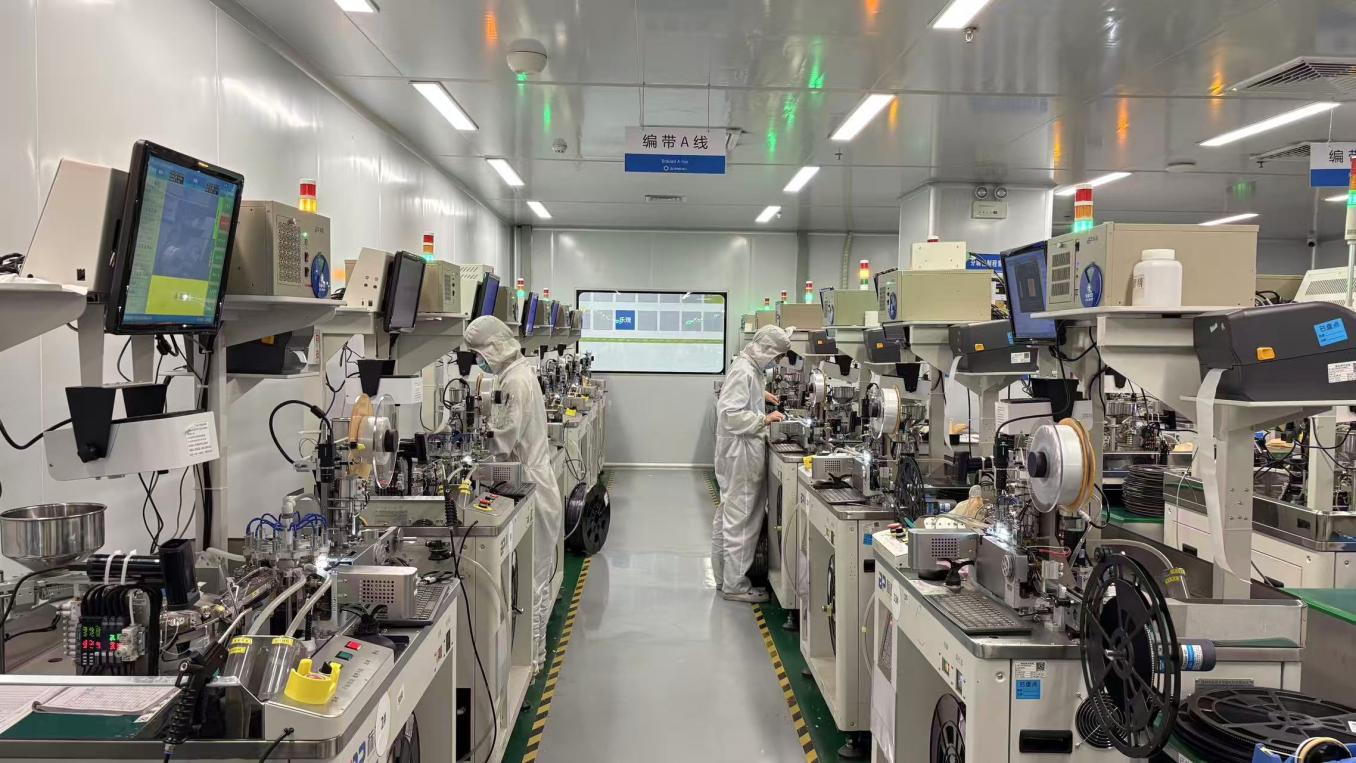
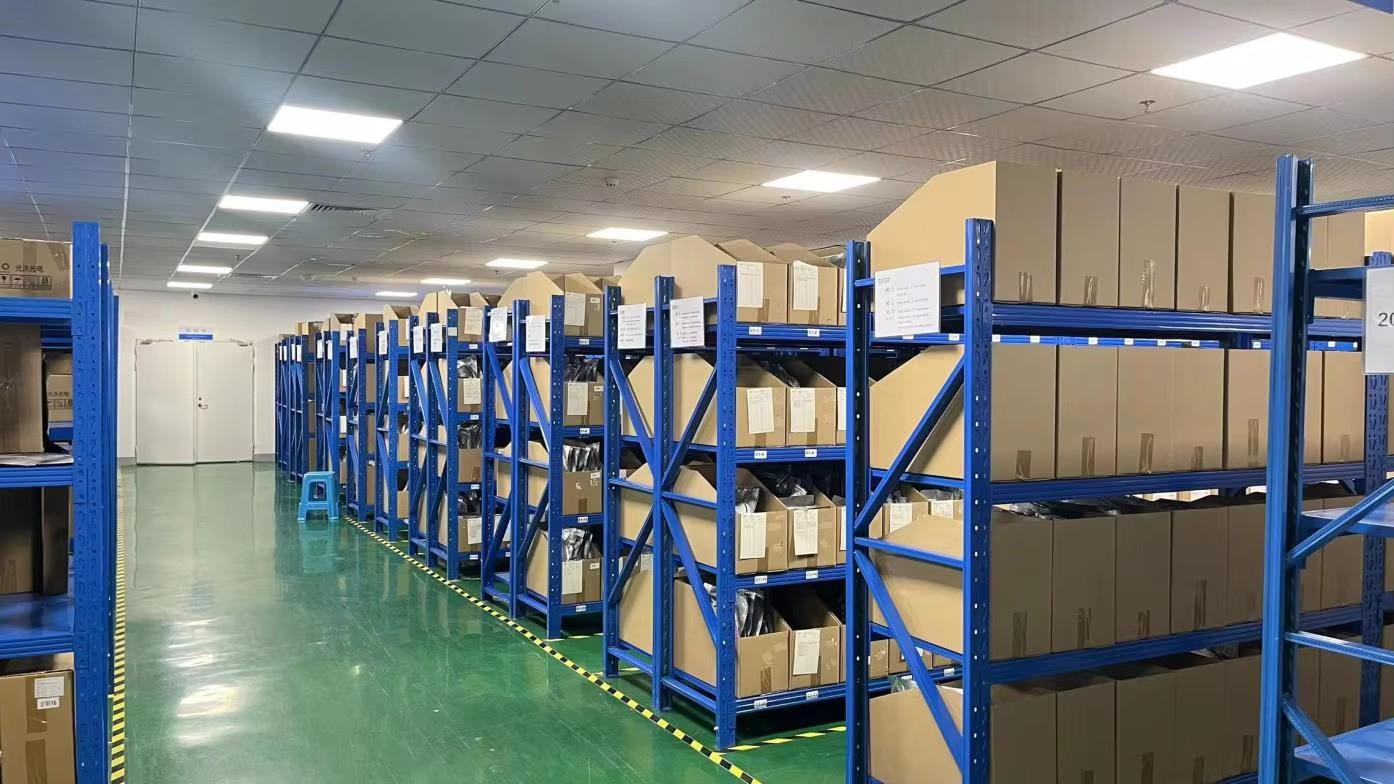
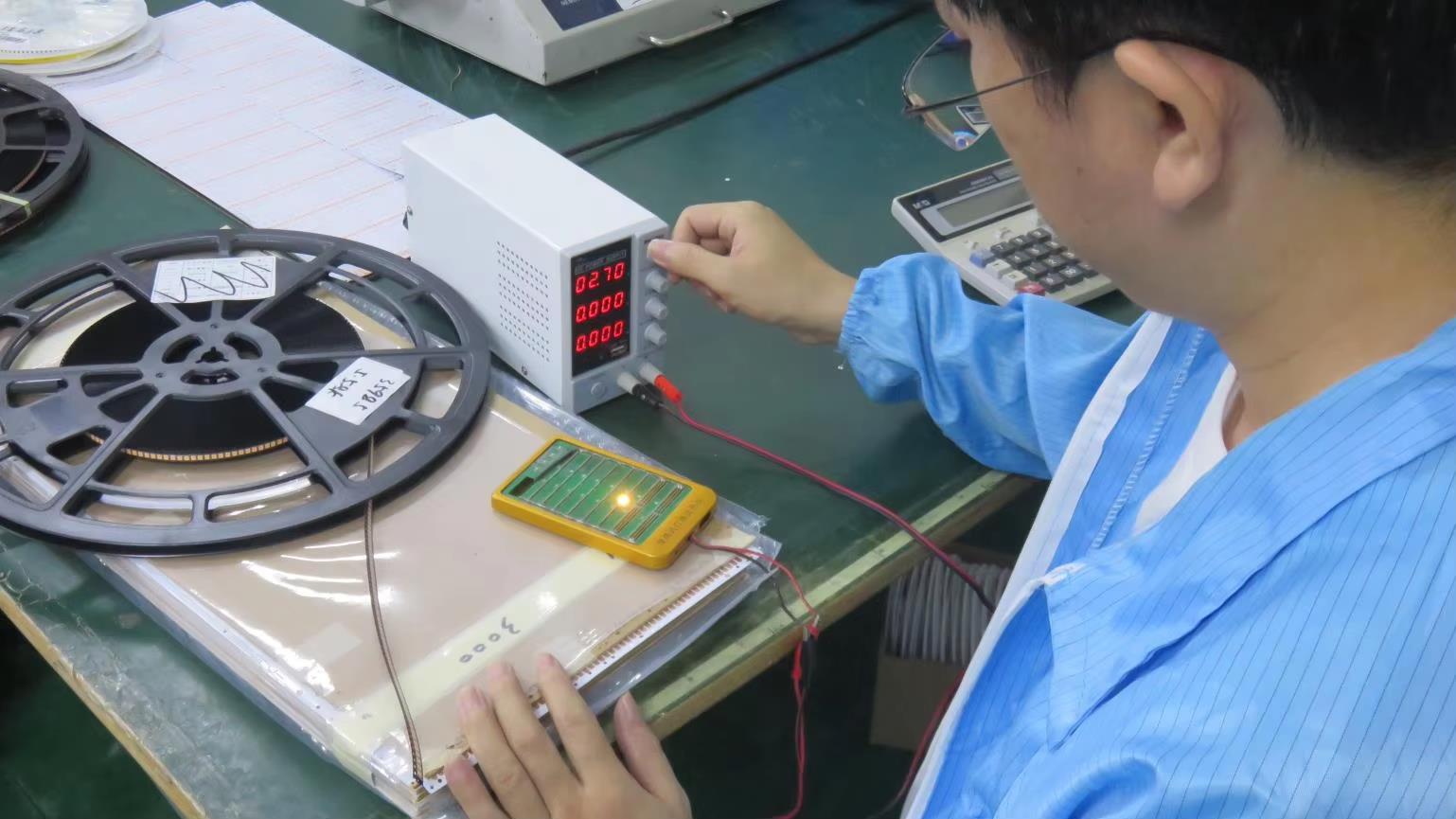
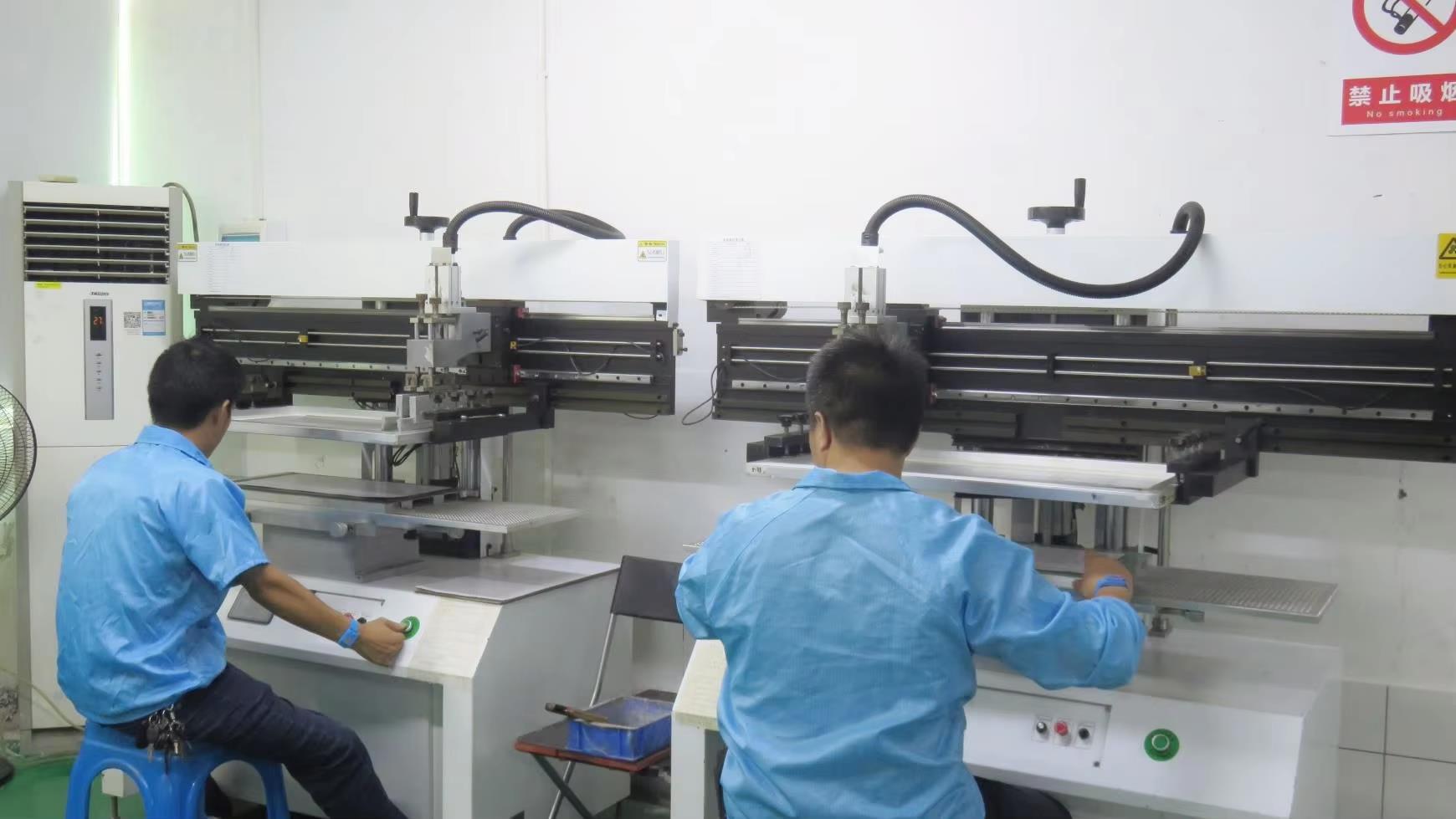
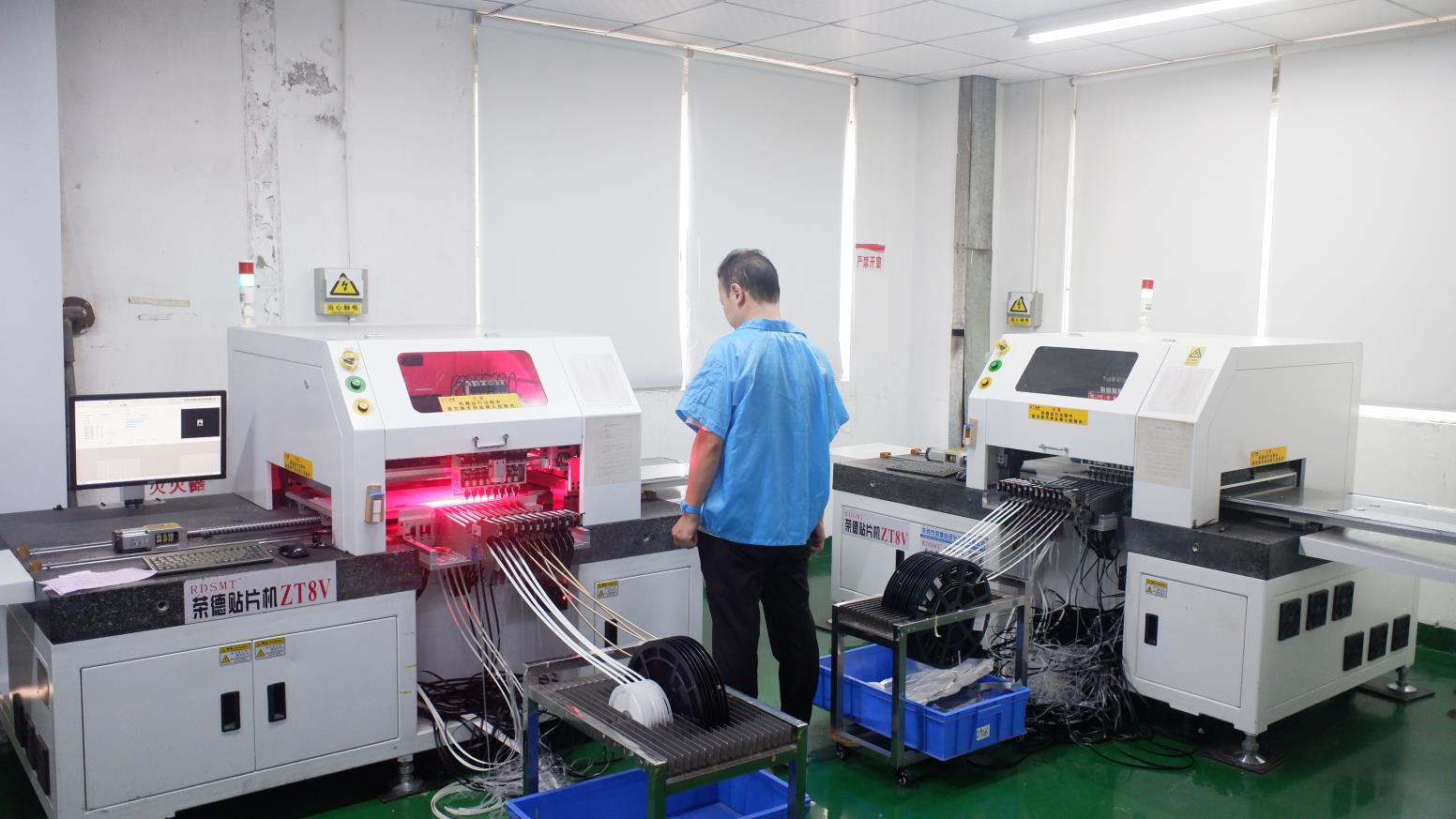
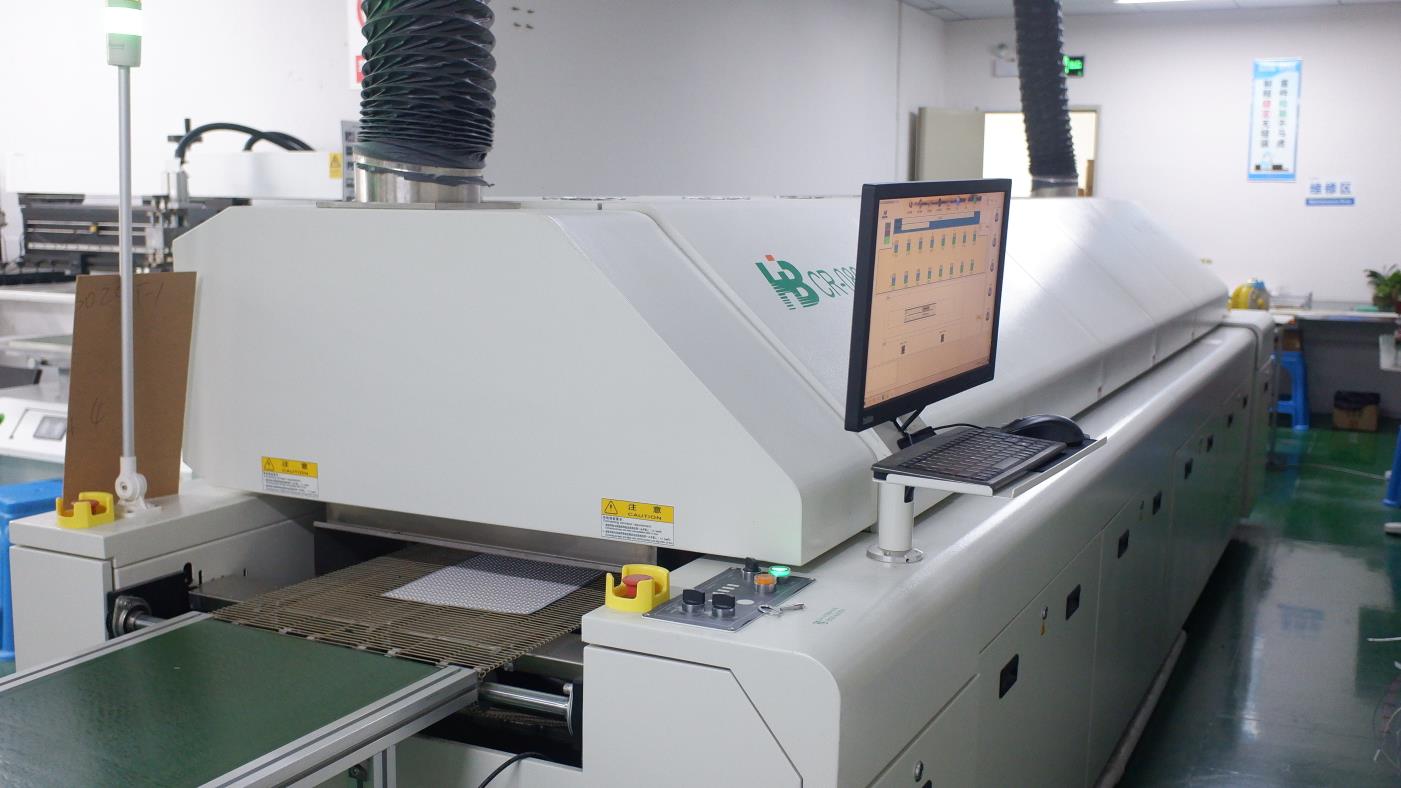
The global market for directional lighting products has evolved. While basic LED fixtures have become widely available commodities, specialized recessed, adjustable fixtures like LED Gimbal Lights require a highly integrated industrial ecosystem to ensure quality. Understanding these supply chain dynamics is critical for B2B procurement professionals.
The concentration of the global lighting supply chain in Guzhen, Zhongshan, creates significant competitive advantages. It offers direct, physical access to high-grade raw materials—from extruded 6063 aluminum housing profiles to precision injection-molded PMMA optical TIR lenses.
By consolidating component suppliers, raw material logistics, and final assembly lines within a tight geographical radius, Zentem eliminates international transport overheads. This structure enables agile lead times and reduces production costs compared to fragmented manufacturers.
Exporting high-end electronics globally requires strict adherence to localized safety frameworks. Every target market has specific certification criteria:
Zentem's engineering division supports our partners through the entire compliance process, from providing verified laboratory reports to adjusting driver topologies to match local voltage parameters.
LED performance depends directly on heat dissipation and optical design. High-quality gimbal lights require robust thermal engineering. When the fixture housing rotates, the thermal path must remain continuous to prevent heat pockets.
Zentem integrates cold-forged aluminum heatsinks and conducts rigorous thermal modeling to ensure junction temperatures remain below 85°C. This maintains color stability and ensures a lifetime rating of L80B10 > 50,000 hours.
To assist global purchasing directors and electrical consultants in evaluating the "Top 10" manufacturers, our engineering and procurement team has established a standardized evaluation framework. Each candidate manufacturer must satisfy five key operational benchmarks:
Unlike static fixtures, a gimbal downlight relies on continuous mechanical adjustability. The rotation hinges must maintain clean, controlled friction. Cheap factories often use simple plastic joints that degrade quickly under heat, causing the light source to sag. Premium manufacturers construct gimbals with precision-machined aluminum pivot gears, high-temperature silicone friction rings, and robust spring tension systems that remain stable over years of operation.
High-performance architectural lighting requires precise beam angles with minimal spill. Professional B2B suppliers utilize custom Total Internal Reflection (TIR) optical lenses or metallized reflectors rather than cheap diffusers. This enables clean cut-off angles and lowers the Unified Glare Rating (UGR < 19), providing optimal visual comfort in commercial galleries and workspaces.
The driver is often the primary failure point in an LED system. Top manufacturers avoid generic unbranded drivers, instead using high-end components with low ripple factor (<3%) to ensure flicker-free illumination. They also ensure broad compatibility with leading control systems, including DALI-2, 0-10V, Phase-cut TRIAC, and wireless smart protocols such as Zigbee or Casambi.
LED gimbal lights are used across various demanding spatial environments. Their adjustable orientation and low-profile design make them ideal for specialized lighting designs:
Use Case: Dynamic merchandise changes require adjustable lighting. Gimbal fixtures can be rotated to highlight seasonal displays and focal products.
Spec Focus: High CRI (Ra > 95, TM-30 Rf > 92, Rg > 100) to ensure accurate, vibrant color representation under warm (2700K - 3000K) illumination.
Use Case: Delicate wall art and three-dimensional sculptures need precise spotlighting without ultraviolet degradation or ambient spill.
Spec Focus: Narrow spot beam angles (15° - 24°) equipped with linear spread lenses, absolute zero UV output, and stable color temperature consistency.
Use Case: Creating warm, welcoming entryways requires soft illumination directed at architectural details, accent columns, and reception desks.
Spec Focus: Integration with DALI or 0-10V centralized control networks, enabling seamless day-to-night dimming curves (100% down to 0.1%).
Use Case: Glare-free illumination over workspaces, whiteboard walls, and video conference areas to reduce eye strain.
Spec Focus: UGR < 19, high power efficiency (> 100 lm/W), and smart integrated motion sensors to meet commercial building energy codes.
To assist procurement directors and electrical engineers in making informed purchasing decisions, we have compiled detailed answers to key technical questions.
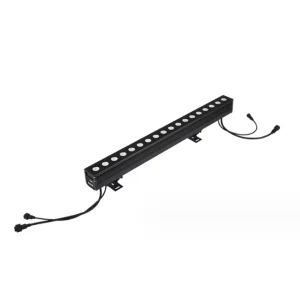
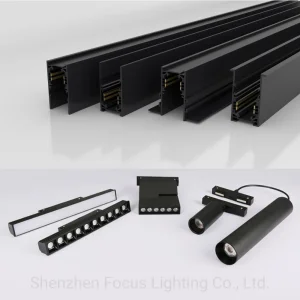
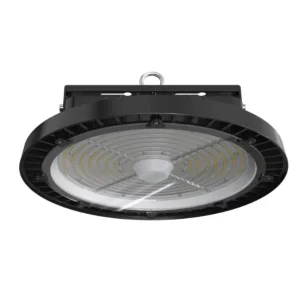
From smart programmable linear systems to heavy-duty industrial fixtures. Discover our high-performance line designed to meet demanding architectural and environmental specifications.