LED Track Light Manufacturers & Exporter Serving the Ireland Market
Architectural-Grade, Intelligent & Carbon-Efficient Commercial Track Lighting Systems Tailored for Ireland's Energy Transition
Featured Engineering Showcase
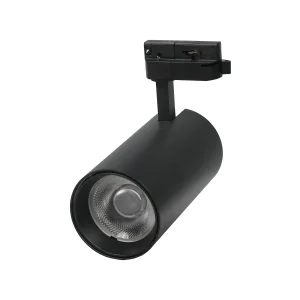
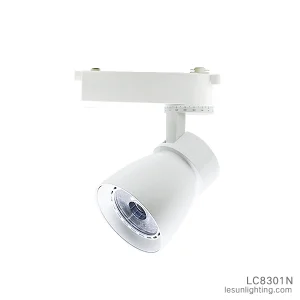
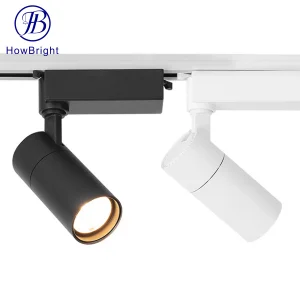
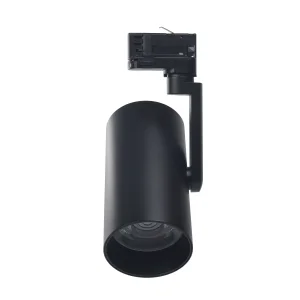
Premier Track Luminaire Core Line
High-efficiency spotlight systems engineered with precision optics, integrated thermal management, and full compatibility with architectural control architectures.
Decarbonizing Ireland’s Built Environment with Next-Gen Smart LED Track Systems
As Ireland aggressively pursues the ambitious objectives set forth in the Climate Action Plan 2023—aiming for a 51% reduction in total greenhouse gas emissions by 2030 and a net-zero carbon economy by 2050—commercial infrastructure stands at a pivotal technological crossroads. Commercial buildings, logistics hubs, retail sectors, and corporate headquarters across key urban centers such as Dublin, Cork, Galway, and Limerick represent significant thermal and electrical power sinks.
Within these modern, dynamic facilities, lighting represents one of the most immediate and cost-effective pathways to carbon optimization and structural decarbonization. Architectural-grade LED Track Lighting, engineered to integrate seamlessly into complex energy profiles, offers an unparalleled technical solution. Unlike conventional static lighting configurations, modern tracking systems provide high-efficiency performance, adaptive localized illumination, and the technical flexibility required to adapt to evolving spatial floorplans without costly architectural overhauls.
"By integrating smart DALI-2 and Casambi-enabled magnetic and linear track configurations, Irish developers and global commercial contractors are achieving up to 85% energy savings compared to legacy metal halide and incandescent installations while ensuring strict compliance with EN 12464-1 indoor workspace standards."
The Irish commercial landscape has experienced a rapid evolutionary shift. High-tech multinationals located in Dublin’s Silicon Docks, expansive pharma and medical-device manufacturing clusters in Cork, and sophisticated engineering laboratories in Galway require lighting systems that go far beyond standard illumination. The modern standard demands visual comfort, low-glare structural safety (UGR < 19), excellent color rendering properties (CRI > 90), and extreme lifecycle reliability.
For engineering specifiers, M&E contractors, and corporate procurers across Ireland, lighting systems must align with stringent regional certifications. Systems must satisfy Building Energy Rating (BER) assessments, qualify under the Sustainable Energy Authority of Ireland’s (SEAI) Triple E Product Register for accelerated capital allowance benefits, and meet all CE and RoHS criteria. Under the updated European Standard EN 12464-1, strict metrics are enforced for glare management, lux uniformity, and luminance distribution to guarantee worker well-being and productivity.
Deciphering Sourcing Intent: TCO & Global Supply Chain Resilience
Global engineering specifiers are no longer merely buying fixtures; they are acquiring highly integrated capital equipment designed for decades of trouble-free performance. In assessing the Total Cost of Ownership (TCO) for a commercial enterprise, professional procurement teams evaluate multiple critical dimensions:
Luminous Efficacy: Demanding high lumen-per-watt efficiency to maximize energy savings while minimizing total heat dissipation, significantly reducing thermal loads on HVAC systems.
Optical Precision and Consistency: Specifying ultra-low chromaticity shifts (SDCM < 3 MacAdam Ellipse) and targeted optical distribution to eliminate visual clutter and waste.
Thermal Management Integration: Requiring advanced die-cast aluminum heat sinks designed to keep junction temperatures well below 65°C to protect LED chip integrity over L90B10 lifespans.
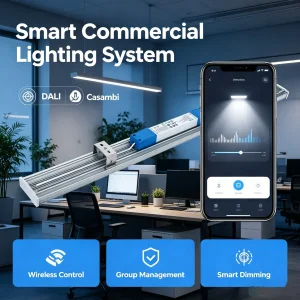
Interoperable Control Systems: Demanding hardware that integrates natively with modern DALI, 0-10V, and Casambi wireless mesh control architectures to facilitate intelligent dimming and localized daylight harvesting.
China Factory 4.0: Supply Chain Resilience & Cost-Efficiency
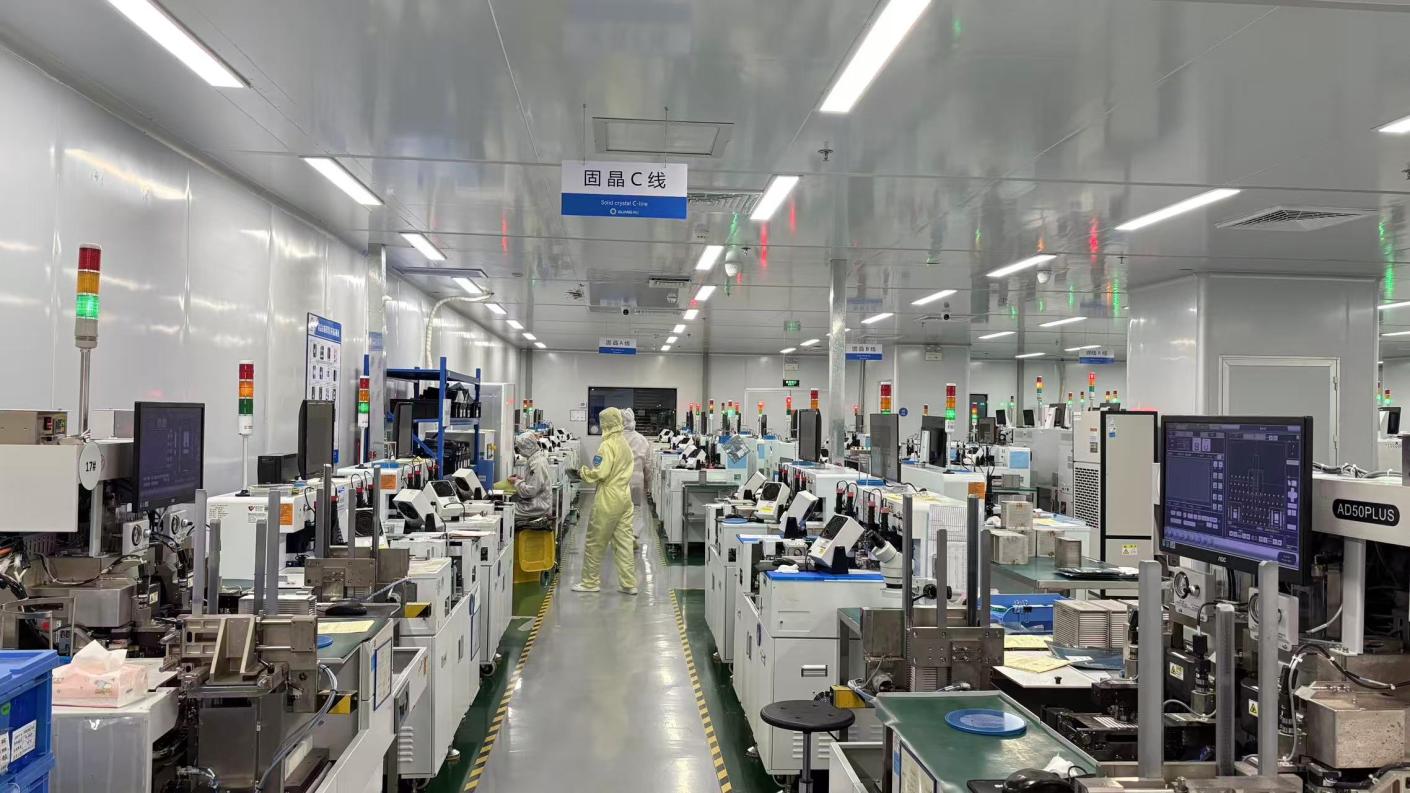
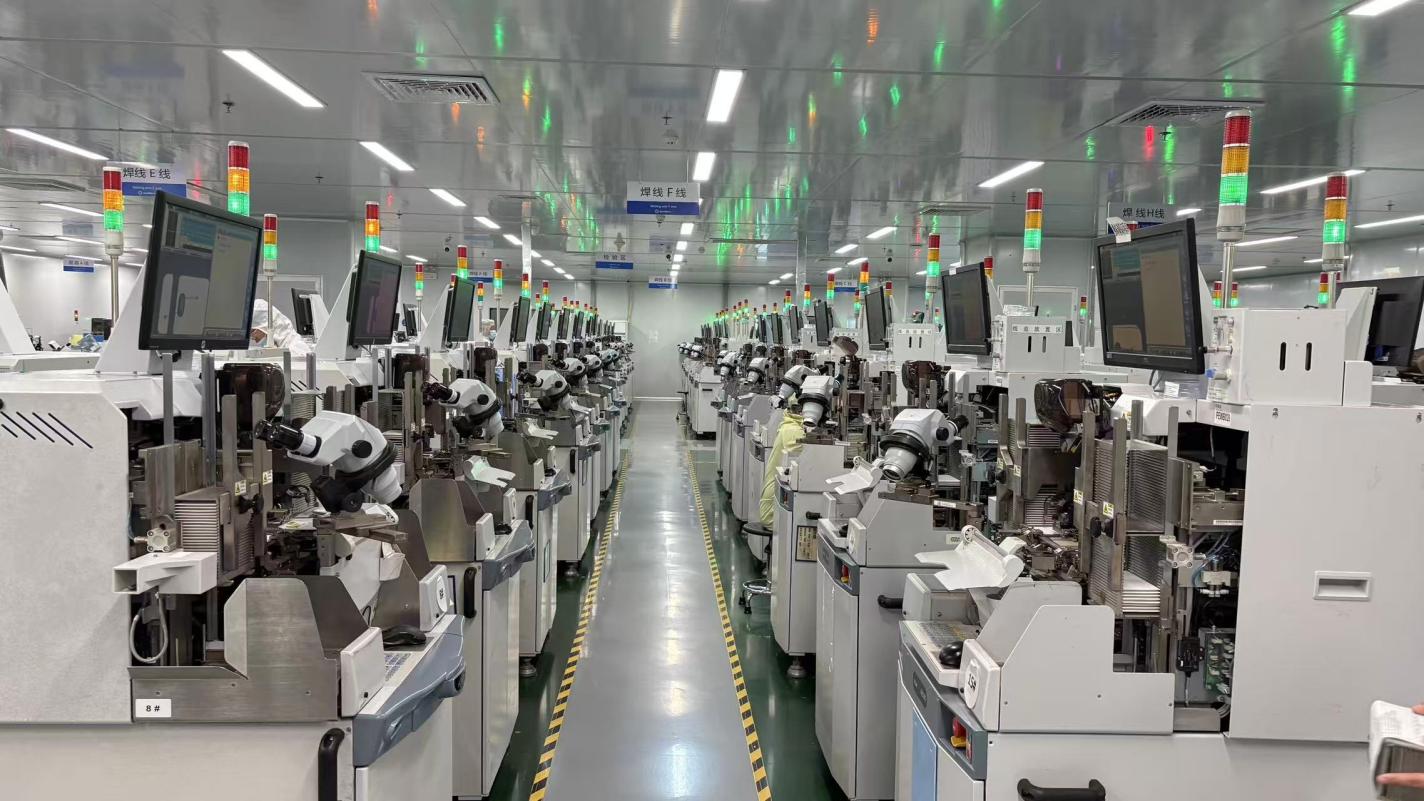
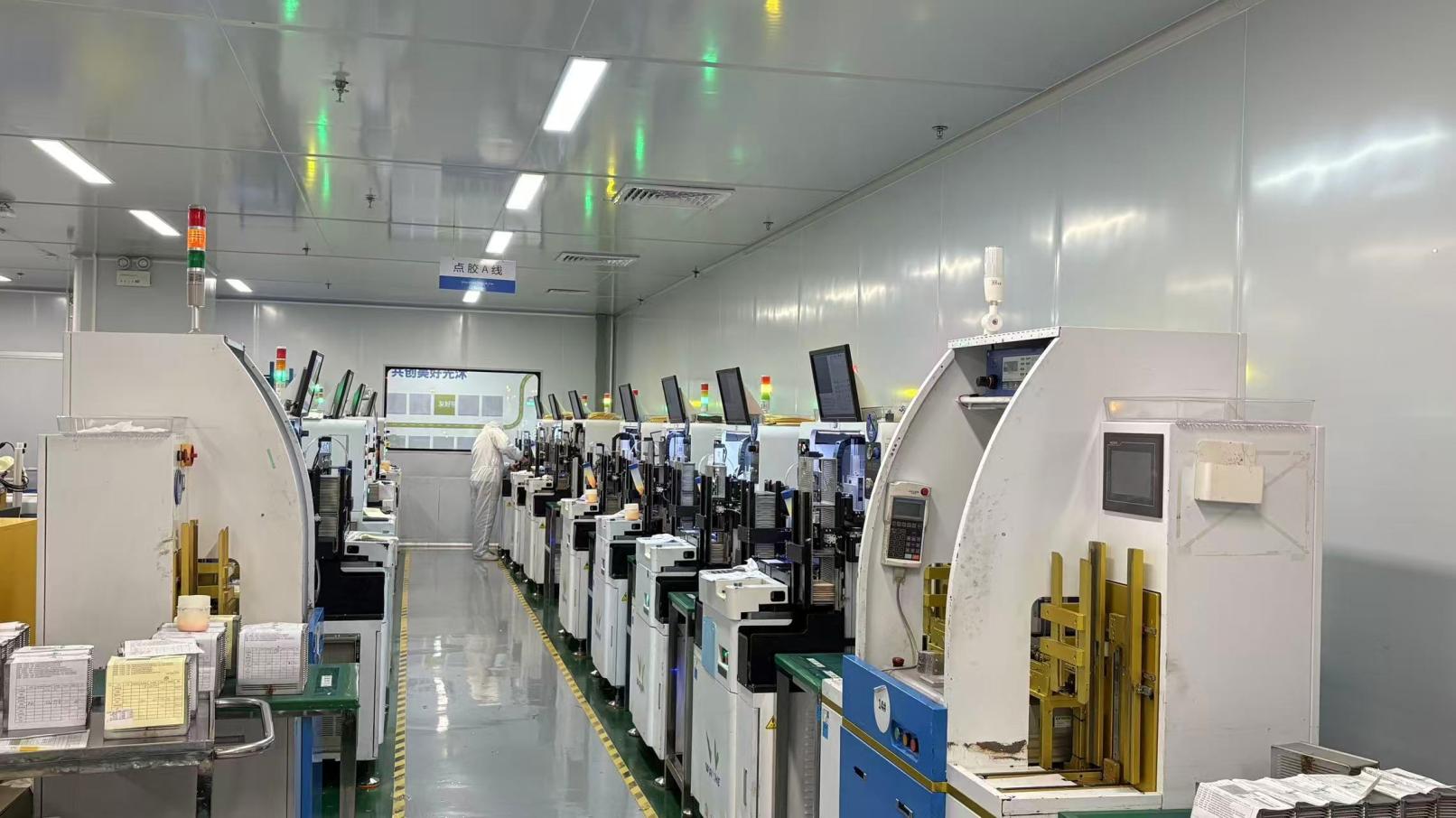
In the highly demanding commercial project space, delays in product delivery or component failures during commissioning are financially catastrophic. Realizing supply chain resilience requires sourcing from a highly automated, modernized manufacturer capable of executing precision quality at scale. Zhongshan Zentem Light Co., Ltd., located in Guzhen—the lighting capital of the world—bridges this gap through the deployment of our Industry 4.0 manufacturing processes.
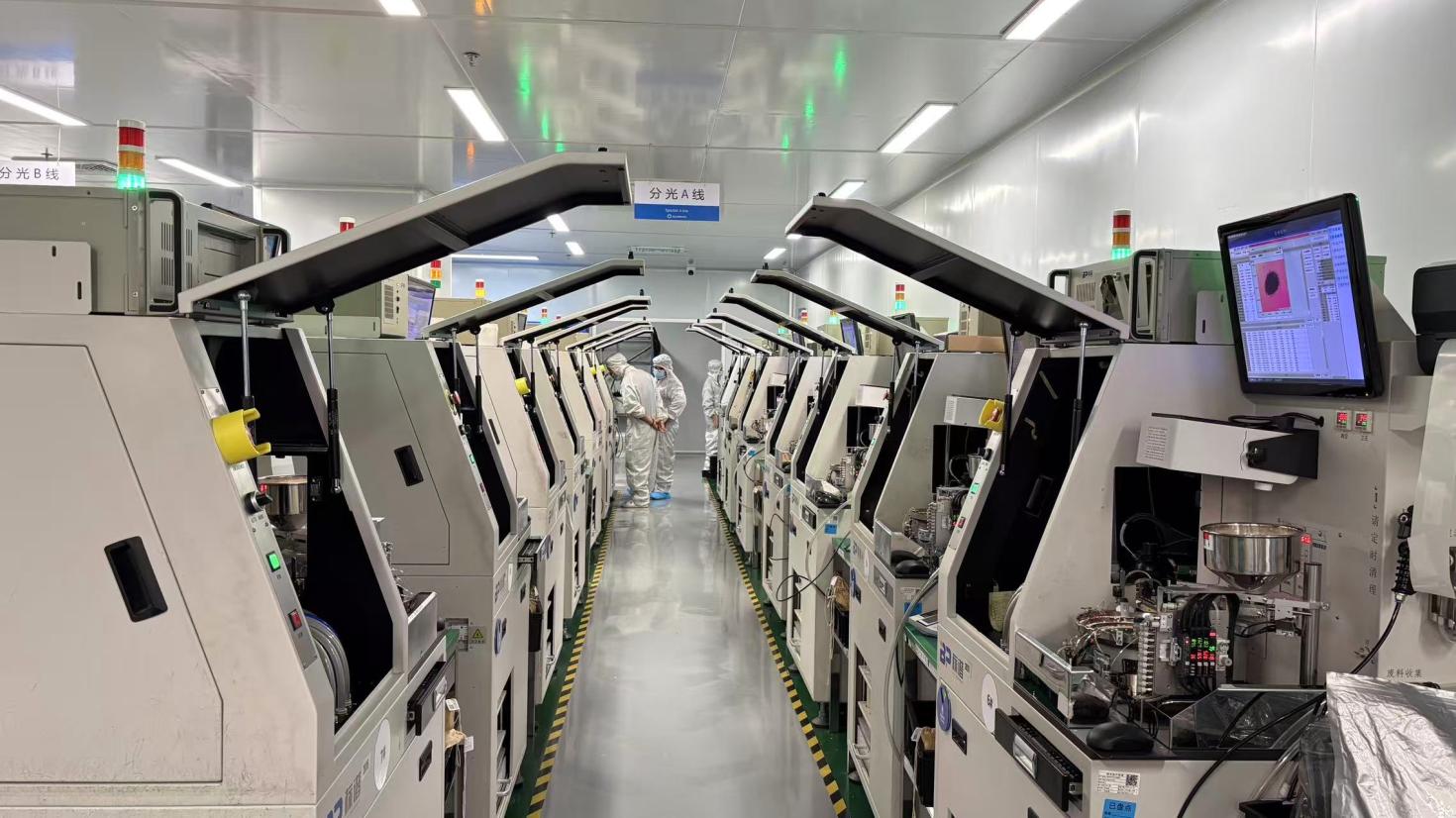
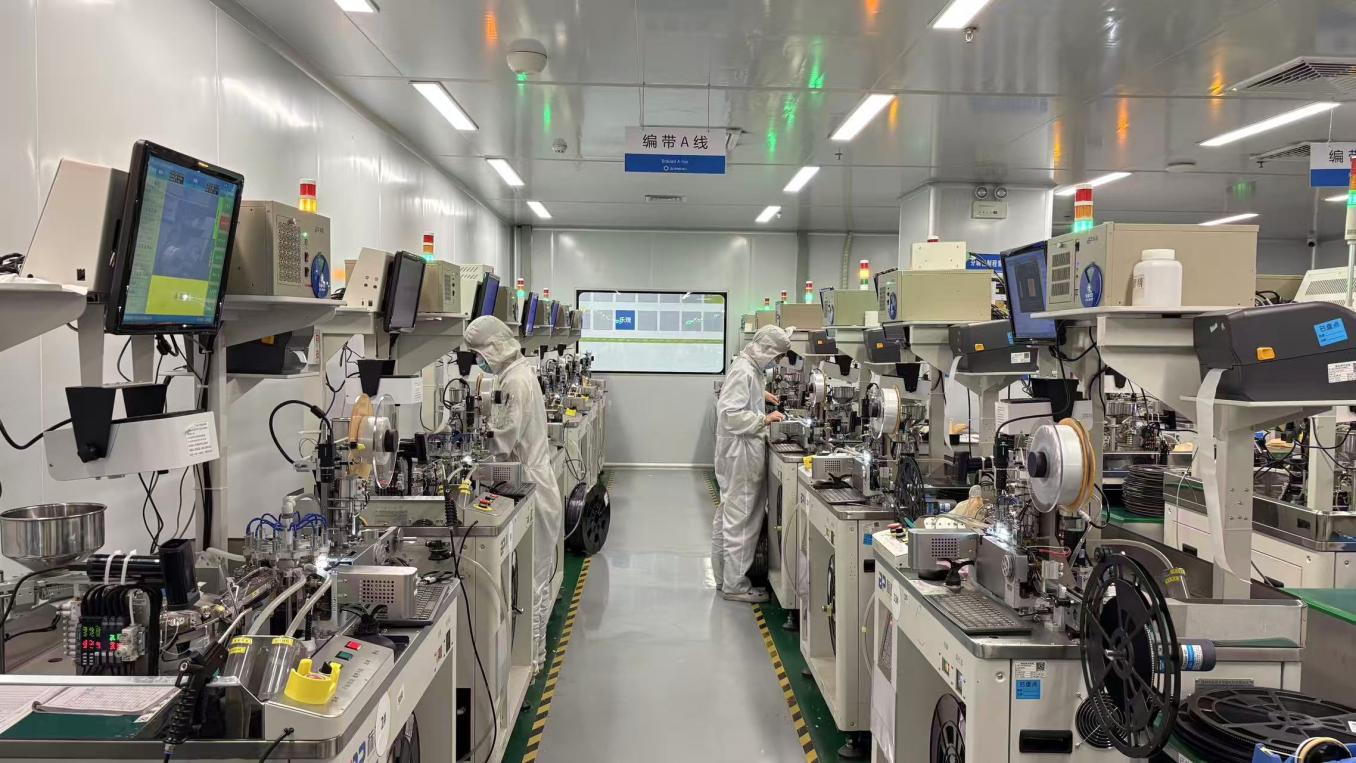
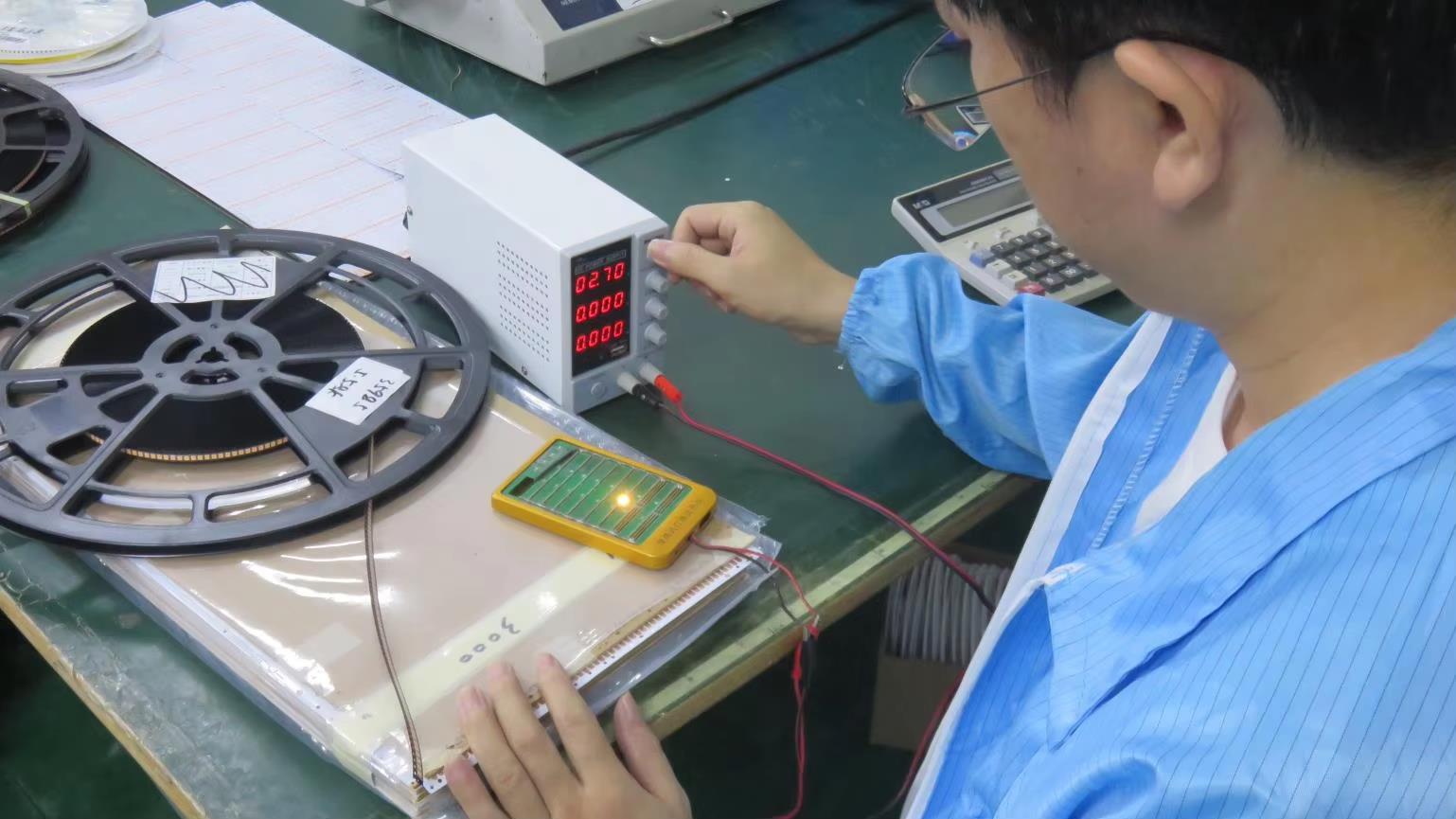
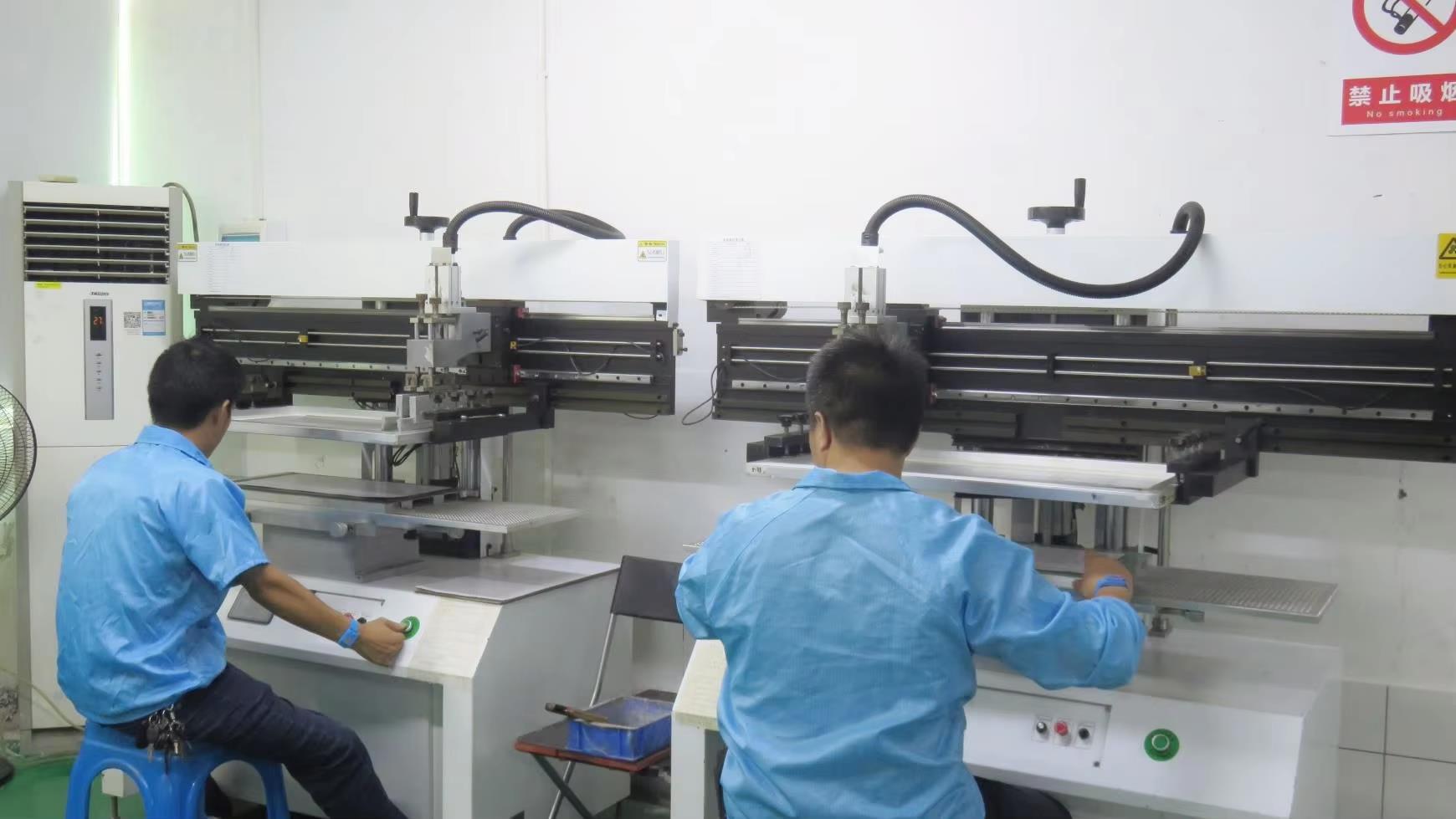
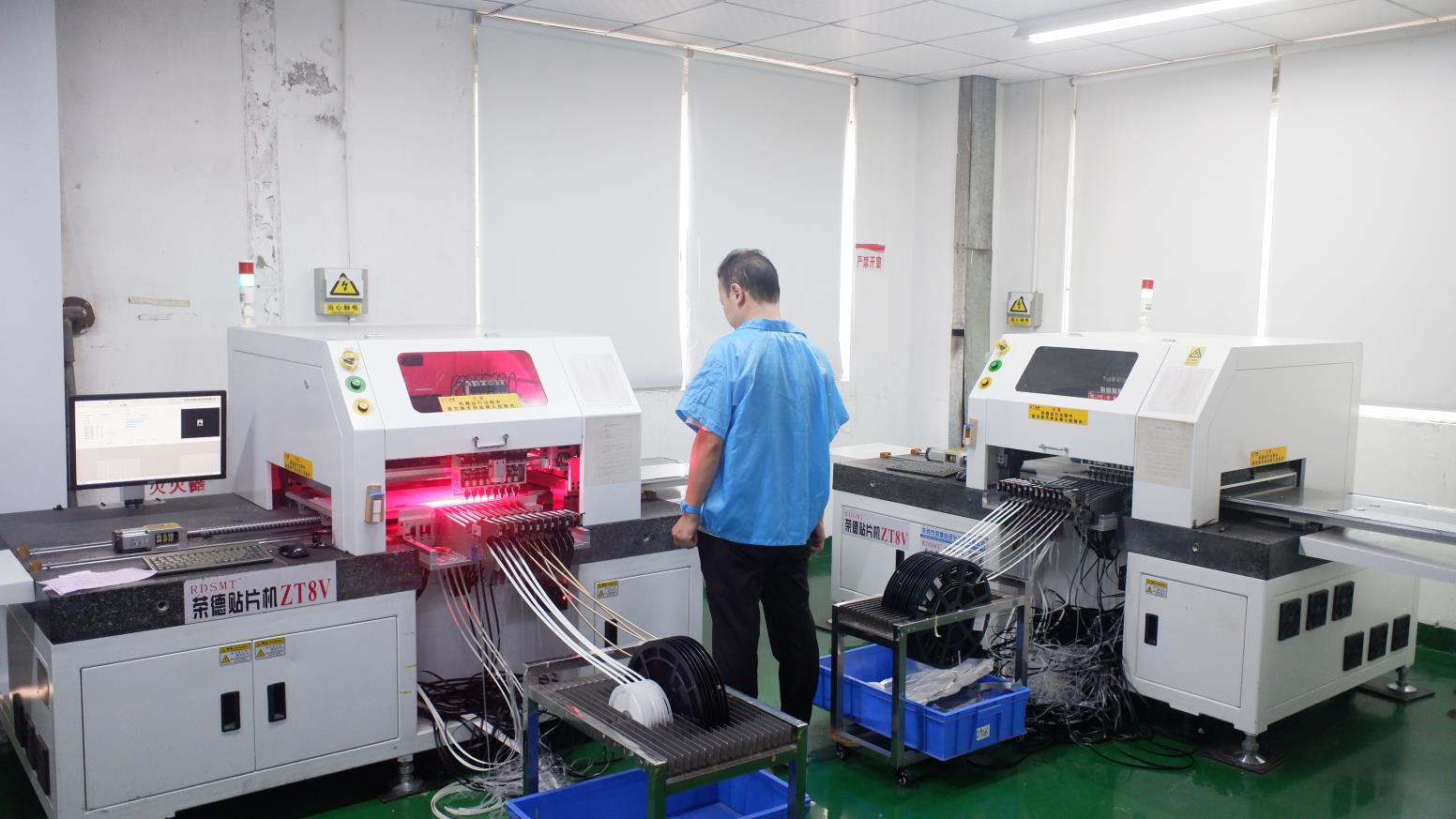
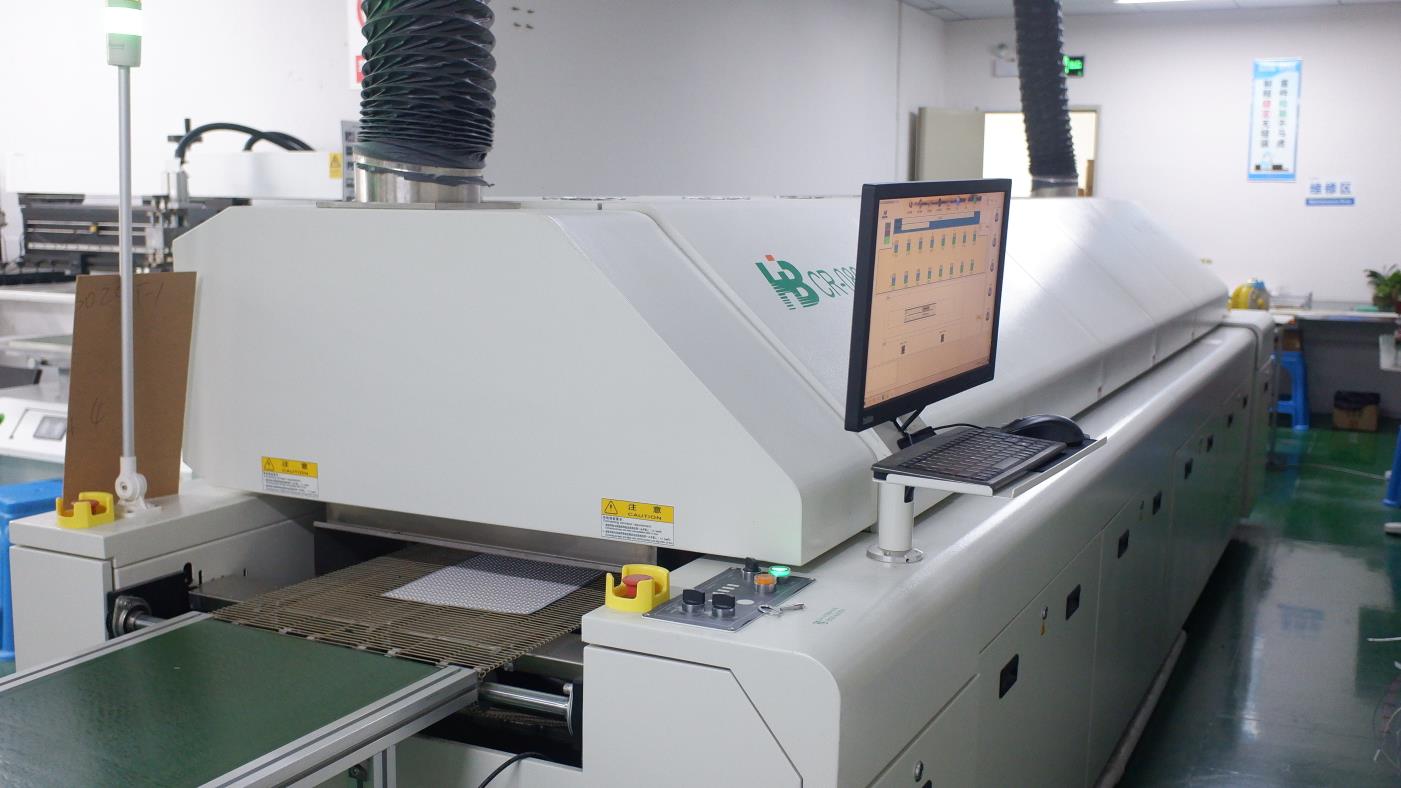
By utilizing high-speed Samsung SMT lines, automated die bonding, and programmable reflow soldering machines, we eliminate the primary point of failure common in non-industrial lighting equipment: inconsistent solder connections and poor thermal interfaces. With our daily output capacity exceeding 200,000 units across 42,800 square meters of production area, we guarantee not only high capacity but also flawless consistency. Every raw component undergoes rigorous Incoming Quality Control (IQC), and every finished luminaire experiences a minimum 24-hour automated high-voltage aging test prior to shipping. This ensures that every light delivered to sites in Dublin, Cork, or Belfast performs strictly to design parameters.
Precision In Numbers
Scale & Rigorous Engineering Standards
15+
Years Industry Expertise
42,800㎡
Advanced Factory Footprint
16
Automated SMT Lines
200k+
Daily Output Capacity
Spatial Light Engineering
Targeted Irish Application Paradigms
Engineering bespoke lighting layouts tailored to the architectural needs and strict occupational lighting compliance of modern Irish properties.
Dublin Premium Corporate & Co-Working Spaces
High-tech corporate campuses within the Silicon Docks demand visual comfort. Our continuous recessed magnetic track systems paired with low-glare linear diffusers provide clean, sleek aesthetics while maintaining UGR < 19 across vast desking zones. Full Casambi wireless compatibility allows occupants to dynamically personalize lighting groups from a simple smart device.
Grafton Street & Premium Irish Retail Boutiques
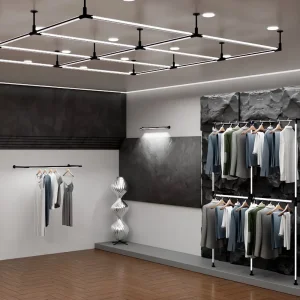
High-end luxury retail spaces demand outstanding color presentation. By utilizing Zentem's ultra-high CRI > 95 COB spotlights with tight MacAdam step tolerances, retail environments can highlight true fabric colors and textures. Precision beam distribution concentrates light on the merchandise without causing stray light or distracting overhead glare.
Cork Logistics & Modern Warehouses
Expansive warehousing centers require powerful, low-maintenance lighting. Our continuous high-output linear track solutions (38W to 75W) deliver high-lux performance over aisle spaces with broad beam lenses. This ensures rapid material handling under perfectly safe lighting conditions, while maintaining highly efficient operations.
Advanced Automated Manufacturing
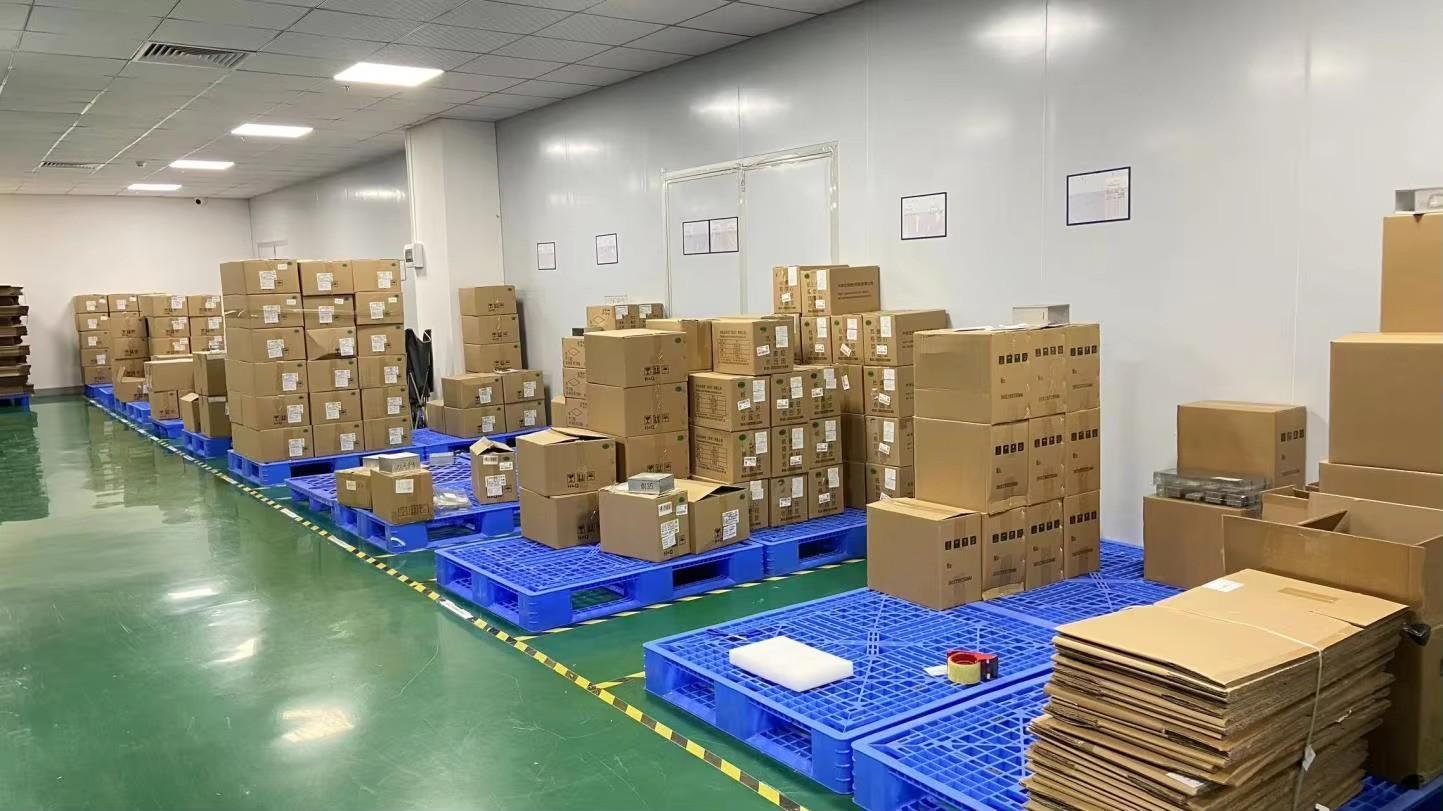
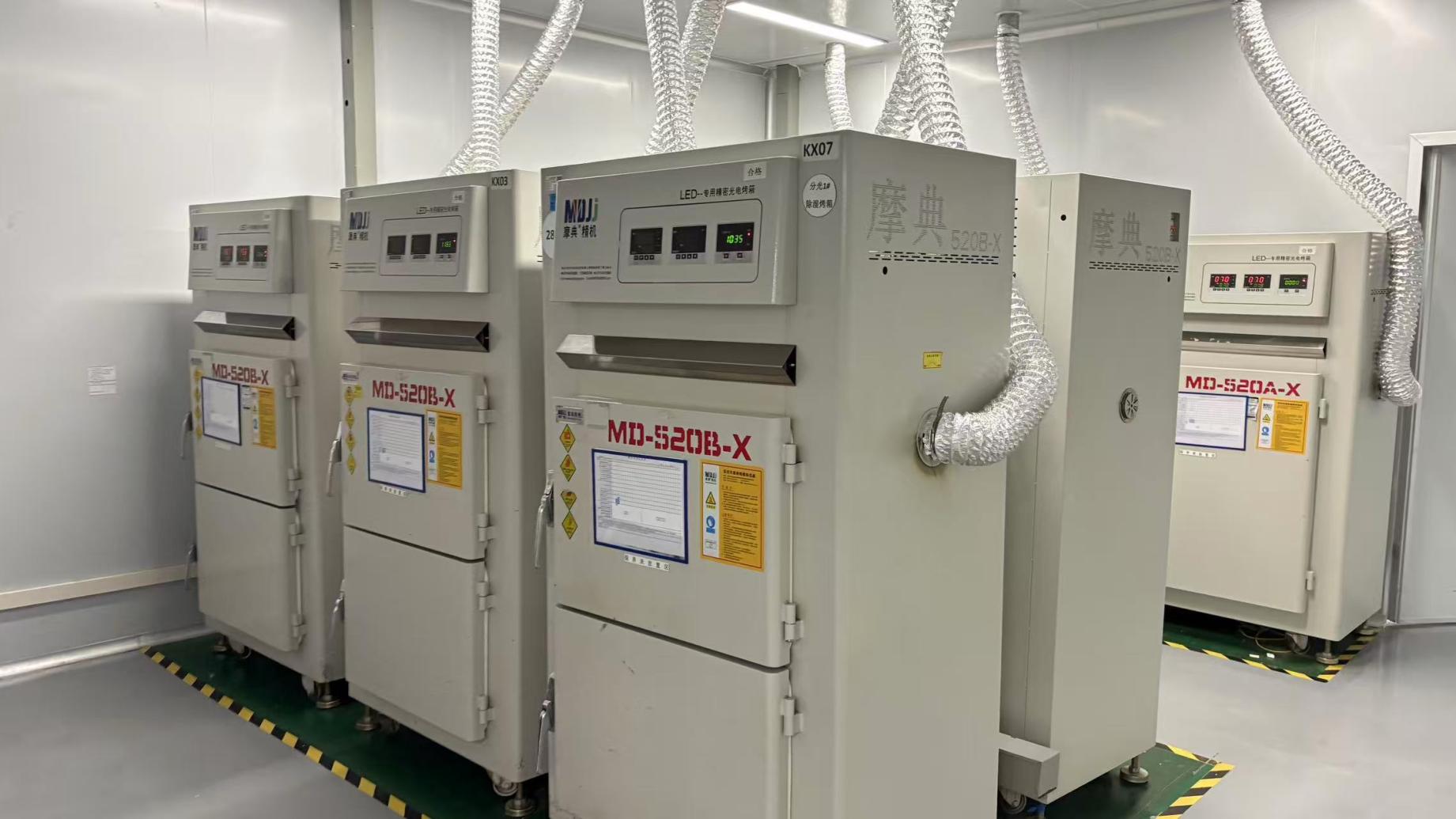
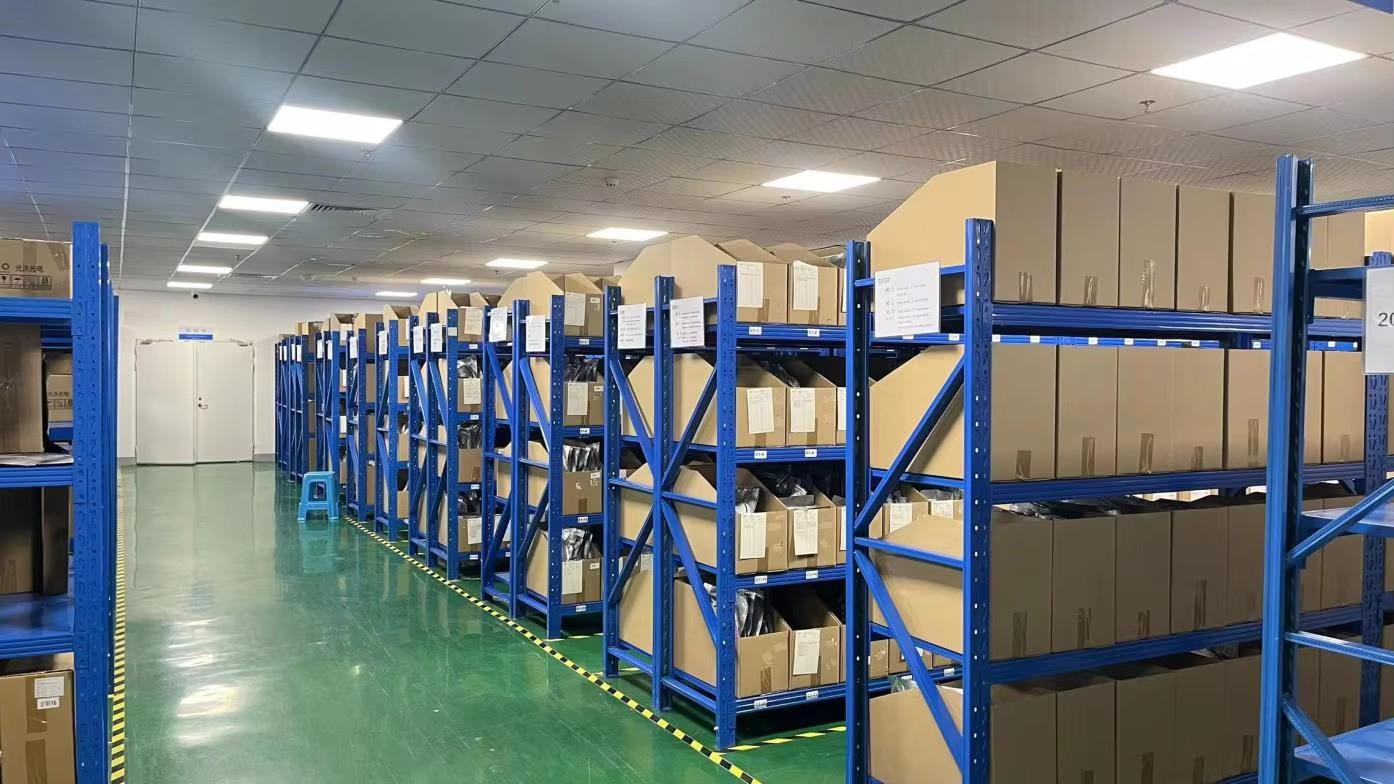
Inside Zentem Light Co., Ltd.
Our Guzhen-based manufacturing facility integrates highly automated production pipelines, advanced digital diagnostic testing, and rigorous raw material screening.
Deep-dive answers reflecting structural design standards, compliance mechanisms, and optimal track system performance metrics.
Our LED track light systems meet the strict performance standards required by the Sustainable Energy Authority of Ireland (SEAI). By optimizing luminous efficacy (delivering up to 130 lm/W) and maintaining low harmonic distortion (THD < 15%) alongside high power factors (> 0.95), our luminaires help projects meet critical Building Energy Rating (BER) certificates and comply with Energy Performance of Buildings Directive (EPBD) targets. This allows commercial entities in Ireland to write off the entire cost of the lighting upgrade within the first year of purchase under the Accelerated Capital Allowance (ACA) program.
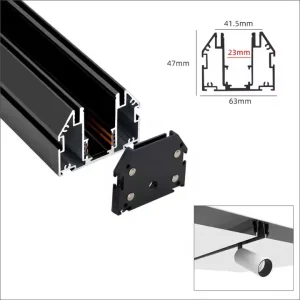
DC48V low-voltage magnetic track systems offer unmatched advantages in flexibility and operating safety. In high-density workplaces or dynamic retail environments, staff can adjust or swap track heads without needing to isolate the main electrical panel, removing the risk of electric shock. In addition, low-voltage designs run cooler and reduce standard electrical degradation, which yields longer lifespans for driver systems and lowers overall maintenance costs.
We source high-purity, premium-grade COB LED chips (such as Osram, Bridgelux, or Citizen) and run them through our automated Industry 4.0 color binning lines. We maintain strict color control within a 3-step MacAdam Ellipse (SDCM < 3). This guarantees that from the first spotlight to the last fixture in a multi-story layout, there is no visible chromaticity shift. This consistency is essential for premium retail outlets, galleries, and high-end office spaces where color accuracy is critical.
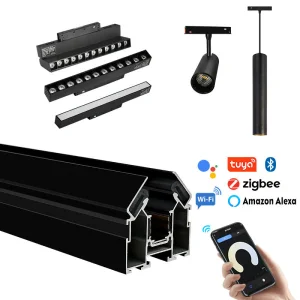
Yes. Our premium product line supports DALI-2, 0-10V, and Casambi wireless mesh dimming protocols. Specifiers can choose these options when submitting an inquiry. These configurations allow engineers to create customized zoning, set up automated schedules, and utilize harvest-linked dimming controls to maximize visual comfort and energy efficiency.
Integrated Project Solutions
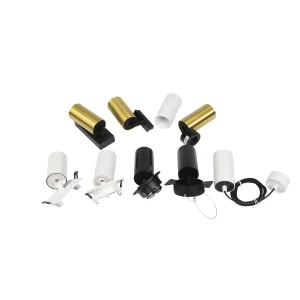
Full Architectural & Commercial Range
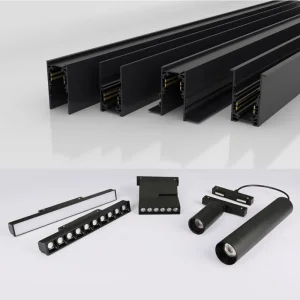
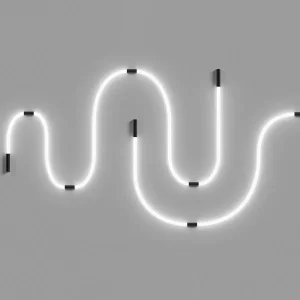
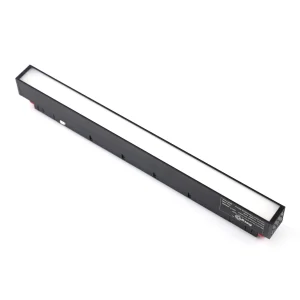
Deploy Zentem’s high-precision, low-voltage magnetic modules and continuous linear track systems to configure custom solutions for any environment.