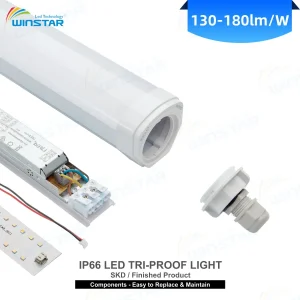
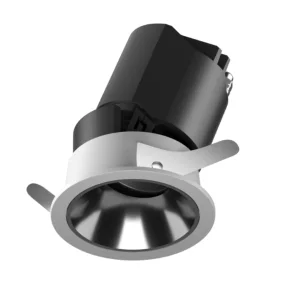
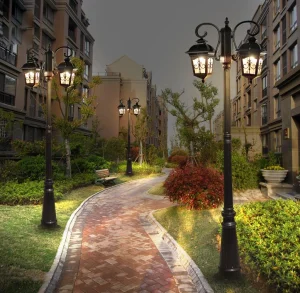
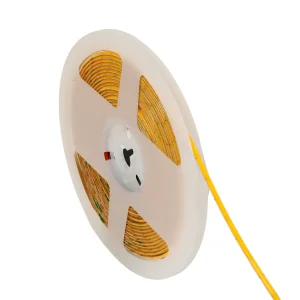
Engineered for maximum thermal efficiency, long-term durability, and seamless integration with advanced LED ballast systems.
In the modern industrial and commercial lighting landscape, the transition from legacy gas-discharge lighting (such as metal halide, high-pressure sodium, and fluorescent systems) to solid-state lighting (SSL) has fundamentally changed how electrical power is regulated. At the heart of this revolution is the LED ballast—more accurately referred to in modern engineering terms as the LED driver. Unlike legacy magnetic ballasts that relied on inductive reactance to limit current, modern LED ballasts are highly sophisticated switch-mode power supplies (SMPS) designed to convert alternating current (AC) mains voltage into regulated direct current (DC).
This conversion process requires extreme precision. LEDs are current-sensitive semiconductor devices; even minor fluctuations in forward voltage can lead to exponential changes in current, resulting in thermal runaway, accelerated lumen depreciation, and premature system failure. As a premier global exporter, we engineer our LED ballast systems with advanced Constant Current (CC) and Constant Voltage (CV) topologies, ensuring a stable electrical environment that maximizes the operational lifespan of the LED chips to over 50,000 hours.
Technical Insight: Legacy magnetic ballasts operate at mains frequencies (50/60 Hz), which induces visible and invisible stroboscopic flicker, causing eye strain and reducing safety in industrial environments. Zentem Light's high-frequency electronic LED drivers operate at frequencies above 50 kHz, eliminating stroboscopic effects and ensuring compliance with IEEE 1789 flicker standards.
For procurement officers and electrical contractors executing large-scale retrofits, choosing the correct integration path is critical. The industry is divided into three primary methodologies:
The global demand for high-reliability LED ballasts and drivers is surging, driven by stringent energy efficiency regulations and decarbonization mandates. According to recent market intelligence, the global LED driver and ballast market is projected to grow at a CAGR of over 12% through 2030. This growth is heavily concentrated in regions implementing strict energy codes, such as the European Union's ErP Directive and North America's DesignLights Consortium (DLC) 5.1 specifications.
In industrial environments—such as heavy manufacturing plants, automated logistics hubs, and chemical processing facilities—lighting is a major operational expense. High-bay lighting systems equipped with premium LED ballasts can reduce energy consumption by up to 65% compared to legacy systems. When integrated with smart controls (such as 0-10V dimming, DALI-2, or wireless mesh networks), energy savings can exceed 80%.
| Parameter | Standard LED Ballast | Zentem Premium Industrial Driver | Impact on System Performance |
|---|---|---|---|
| Power Factor (PF) | > 0.90 | > 0.98 @ Full Load | Reduces reactive power losses in the facility grid. |
| Total Harmonic Distortion (THD) | < 20% | < 10% (Typically < 8%) | Prevents electrical noise and overheating in neutral conductors. |
| Surge Protection | 2 kV - 4 kV | 6 kV - 10 kV (Differential & Common Mode) | Survives lightning strikes and industrial grid transients. |
| Thermal Management | Standard potting | High-conductivity thermal gel + Aluminum housing | Lowers junction temperature, extending capacitor life. |
Located in Guzhen, Zhongshan—the undisputed "Lighting Capital of China"—Zhongshan Zentem Light Co., Ltd. stands as a beacon of engineering excellence and manufacturing capability in the global solid-state lighting industry. With over 15 years of dedicated manufacturing and export experience, we have evolved from a regional component supplier into a global OEM/ODM powerhouse, trusted by over 1,000 clients across 80 countries in Asia, the Middle East, Africa, and South America.
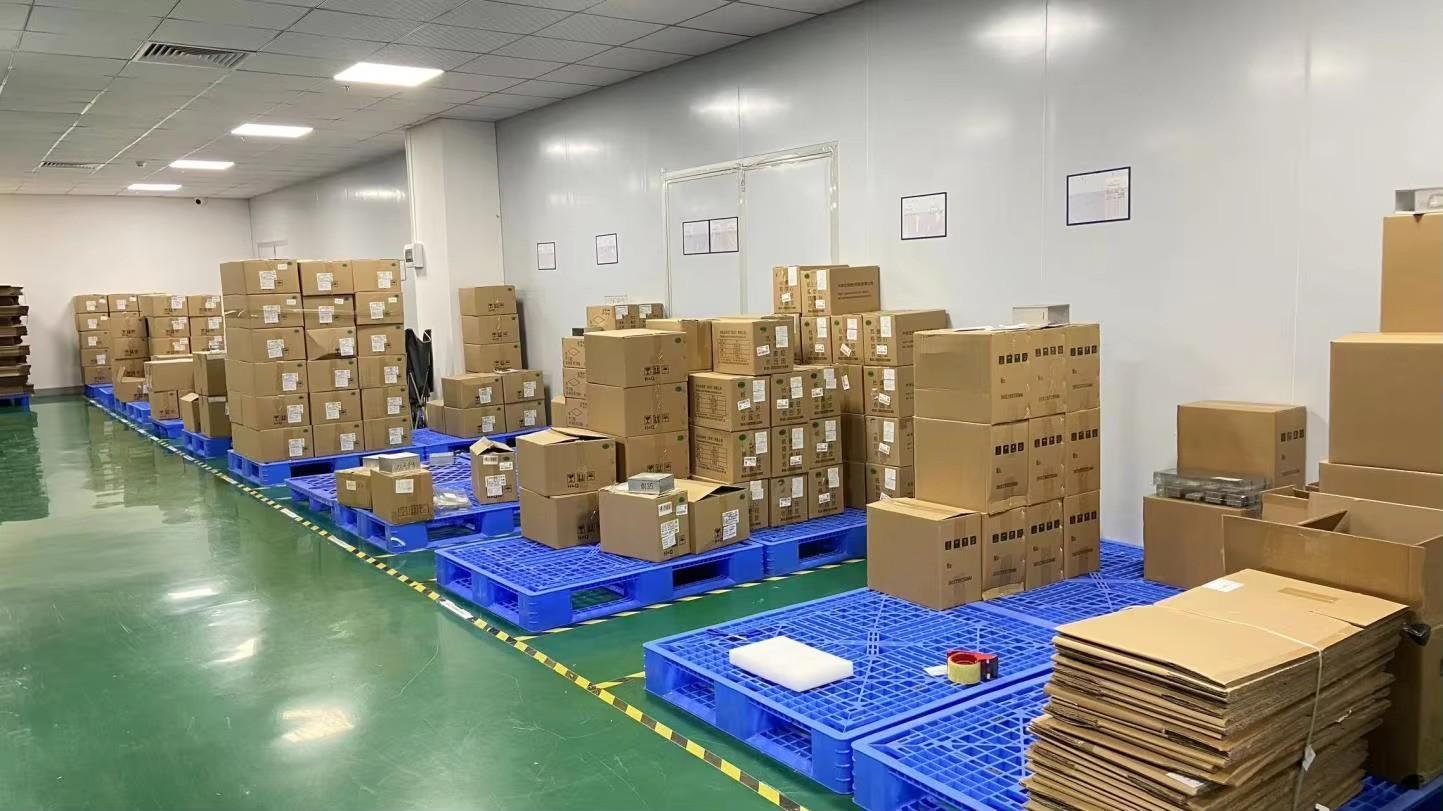
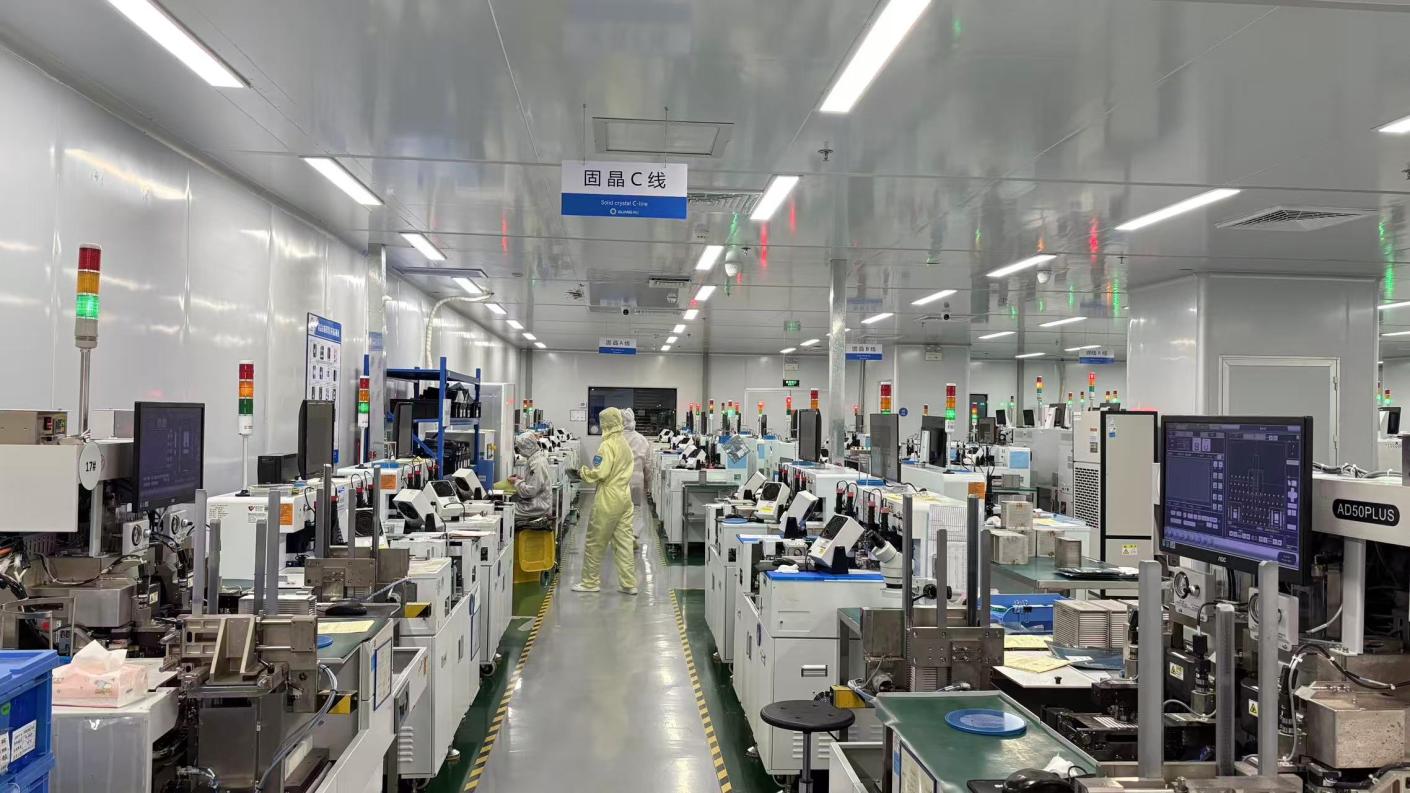
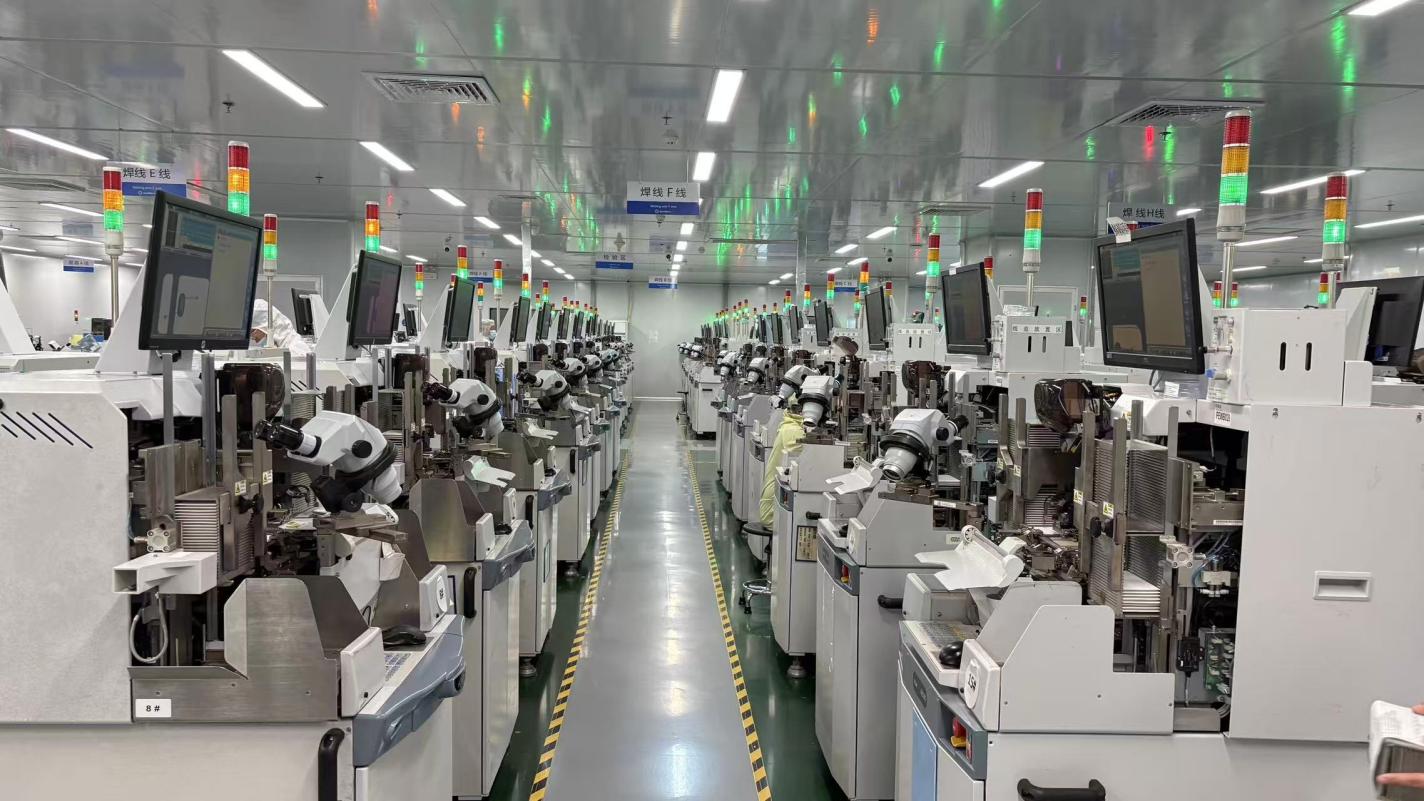
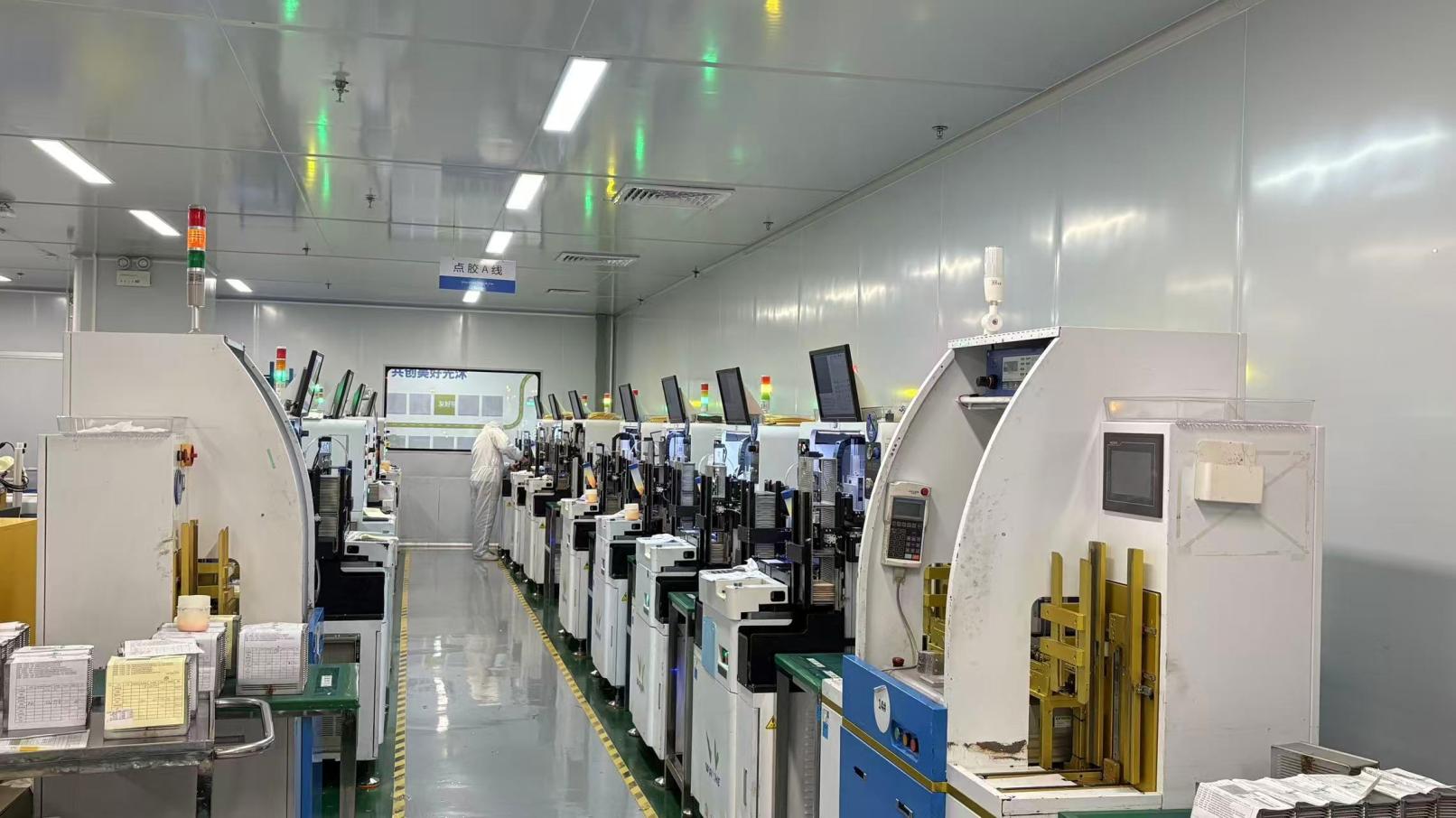
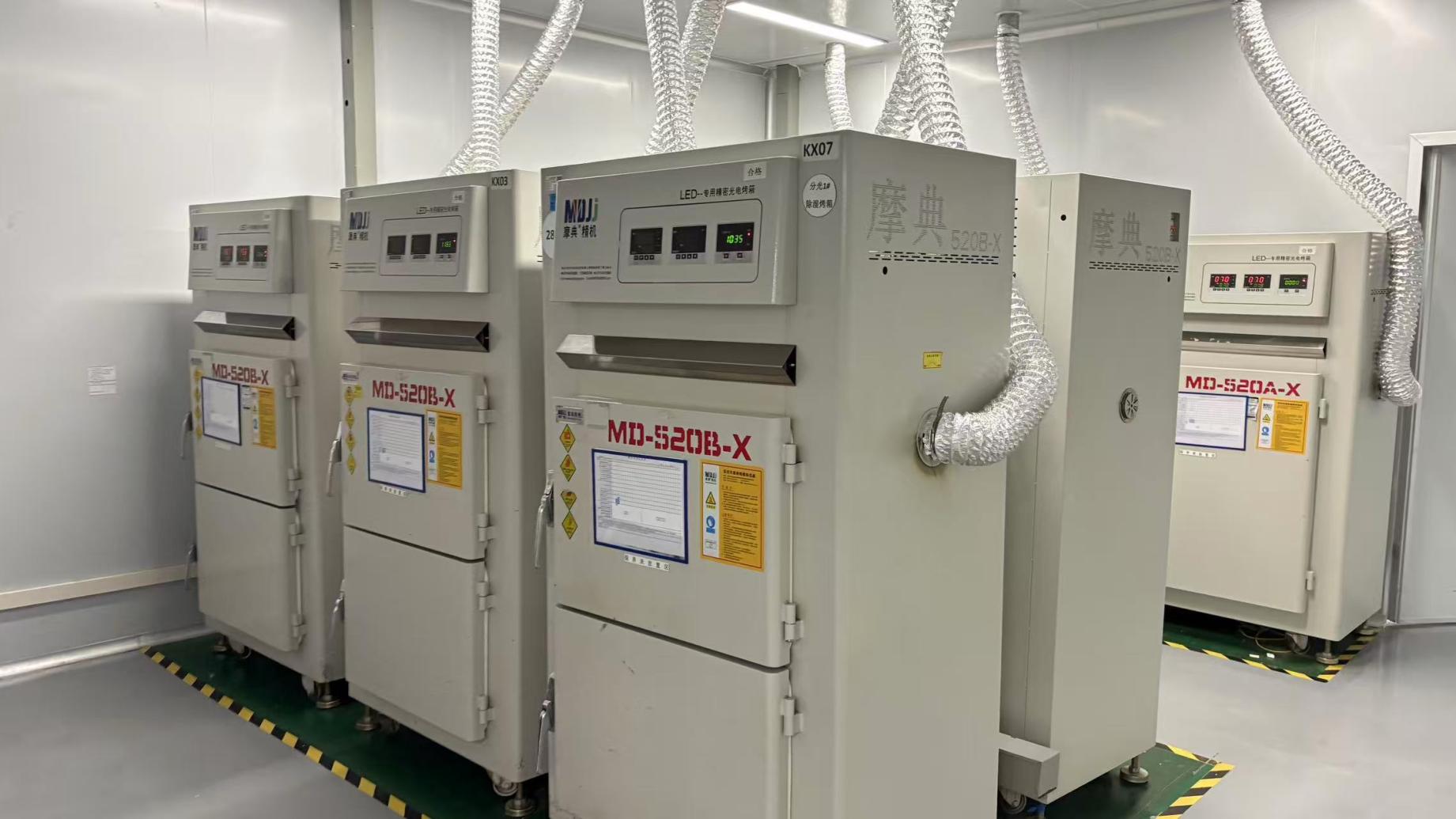
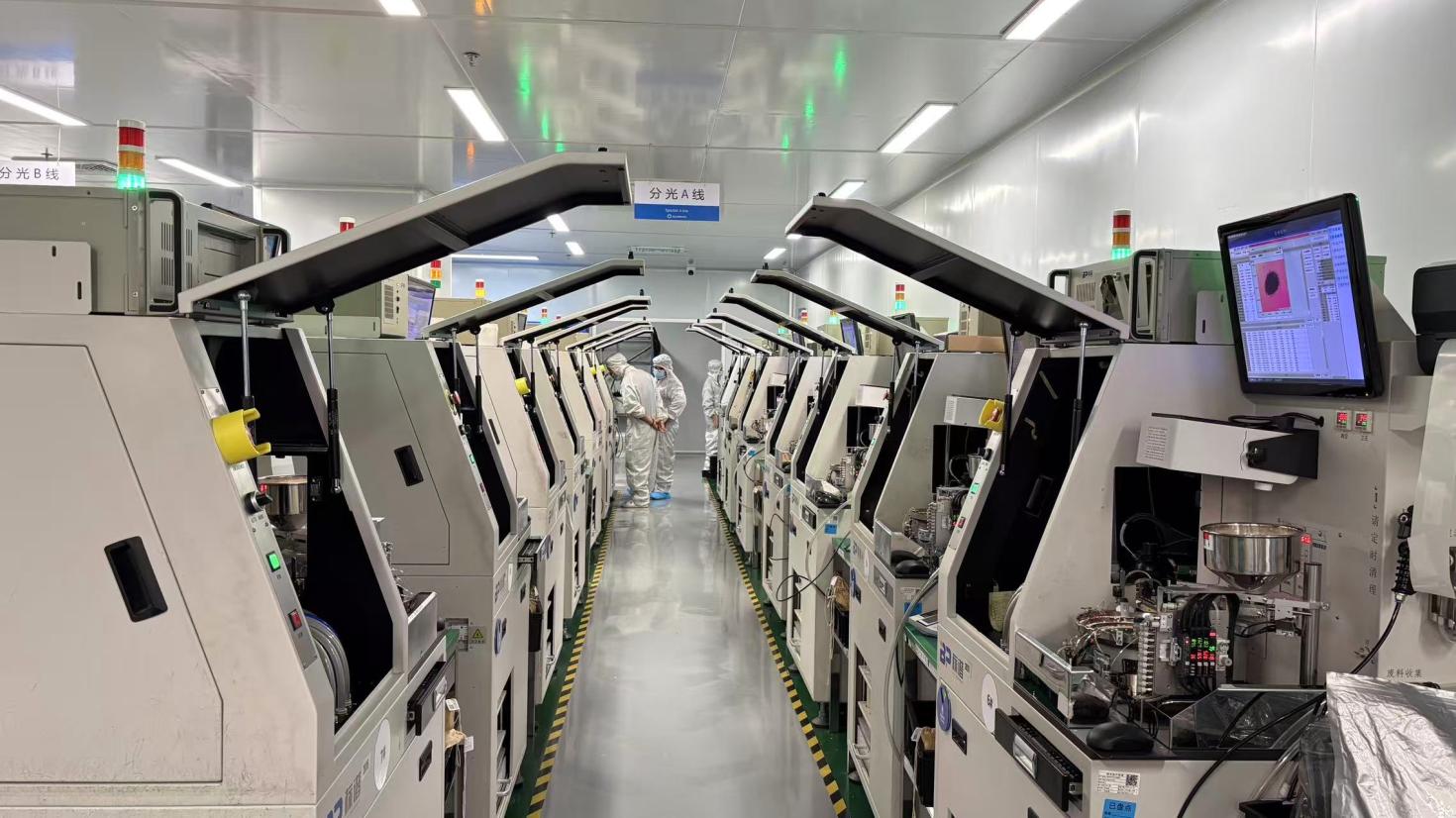
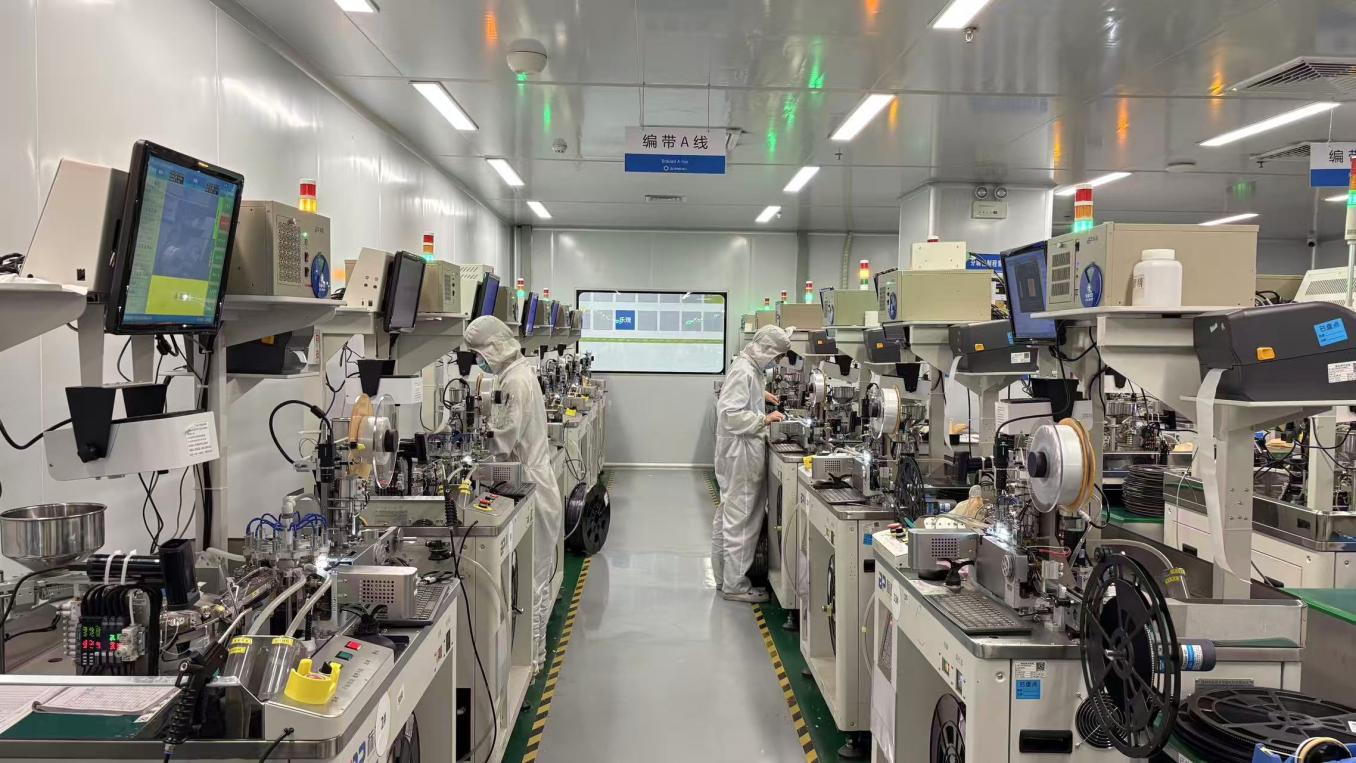
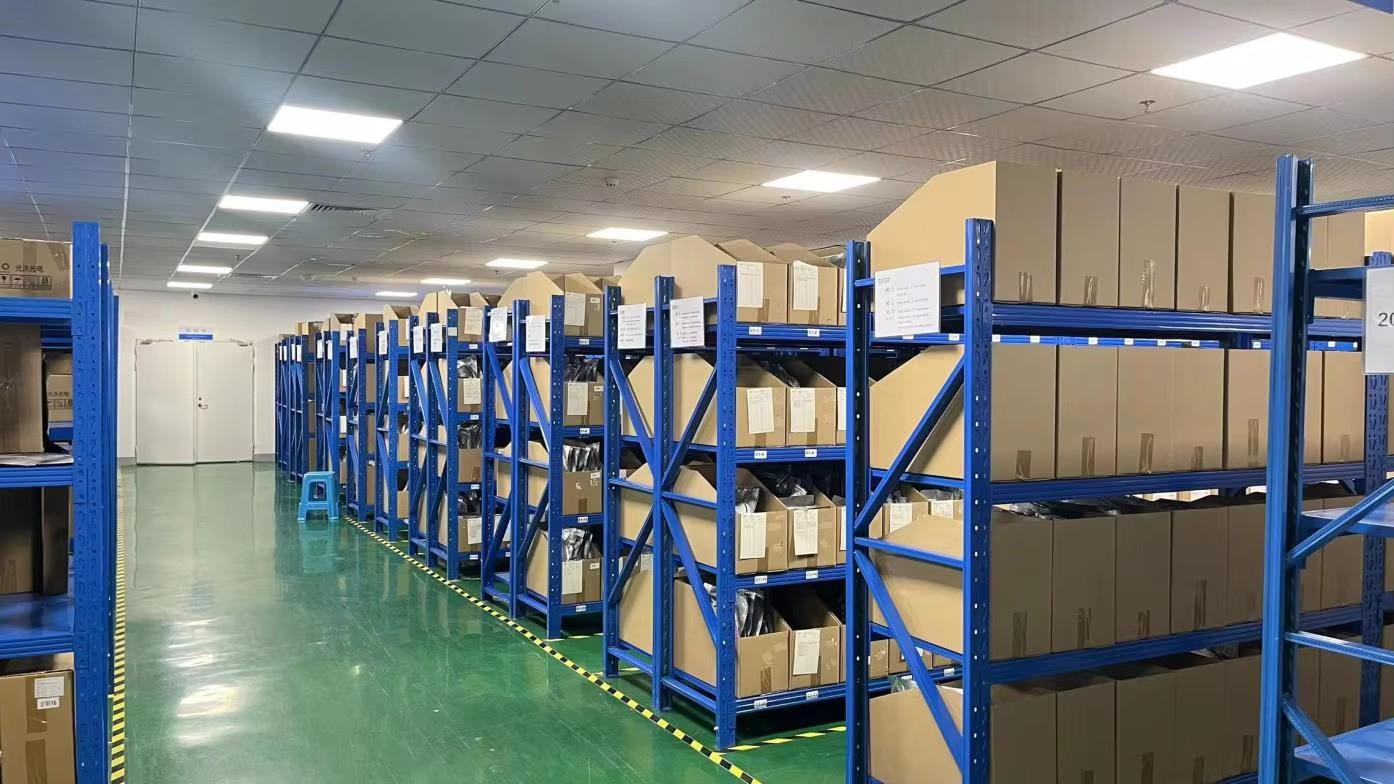
Our commitment to E-E-A-T (Experience, Expertise, Authoritativeness, and Trustworthiness) is reflected in our massive infrastructure and rigorous quality control protocols. We operate a state-of-the-art 42,800㎡ manufacturing facility housing 16 fully automated production lines. By integrating advanced Samsung SMT (Surface Mount Technology) machines and automatic reflow soldering systems, we maintain a stable daily output exceeding 200,000 units, ensuring rapid lead times even for high-volume municipal or industrial contracts.
Every LED ballast and lighting fixture undergoes a rigorous, multi-stage production and testing process to guarantee zero-defect reliability before global shipment.
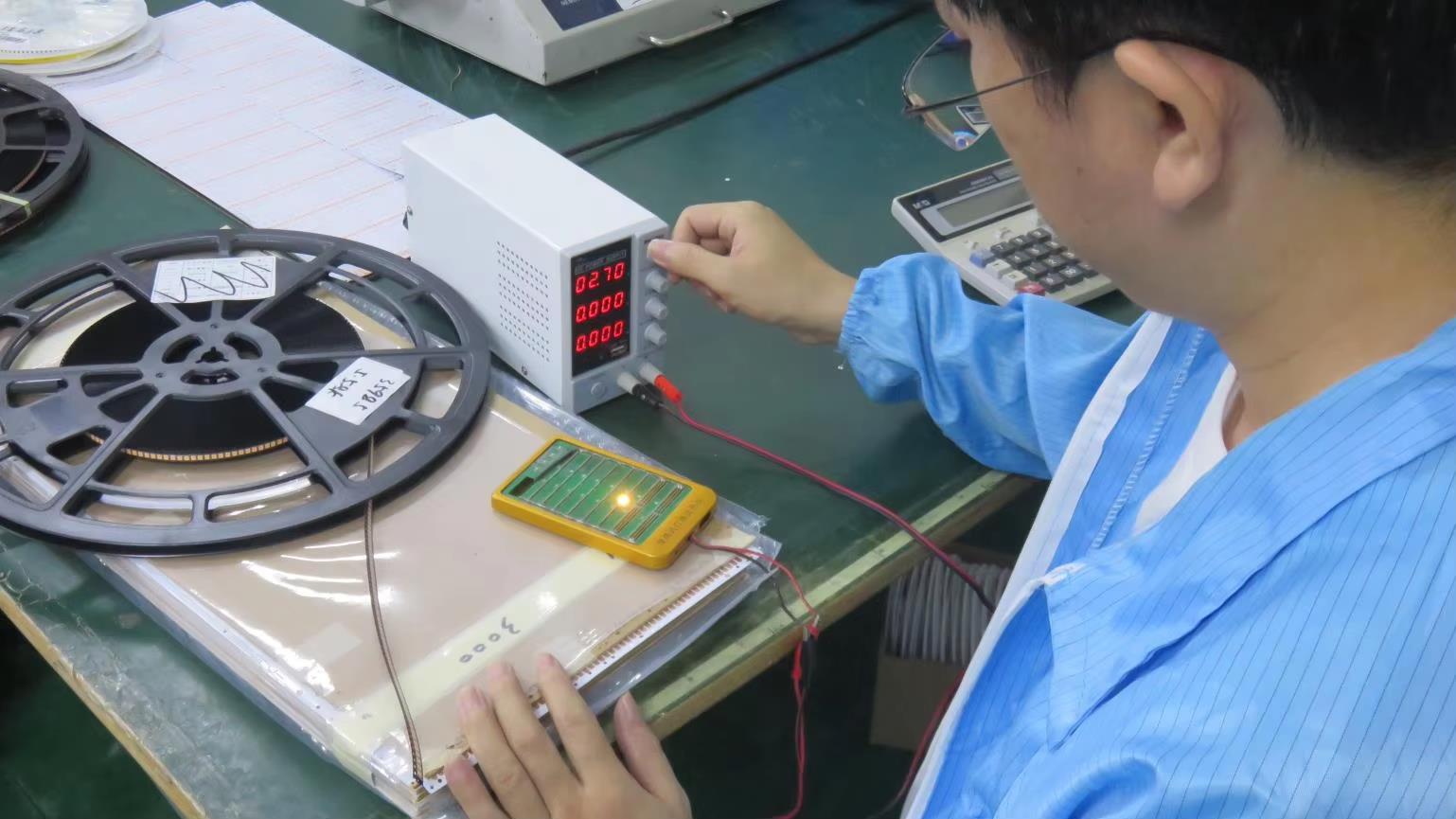
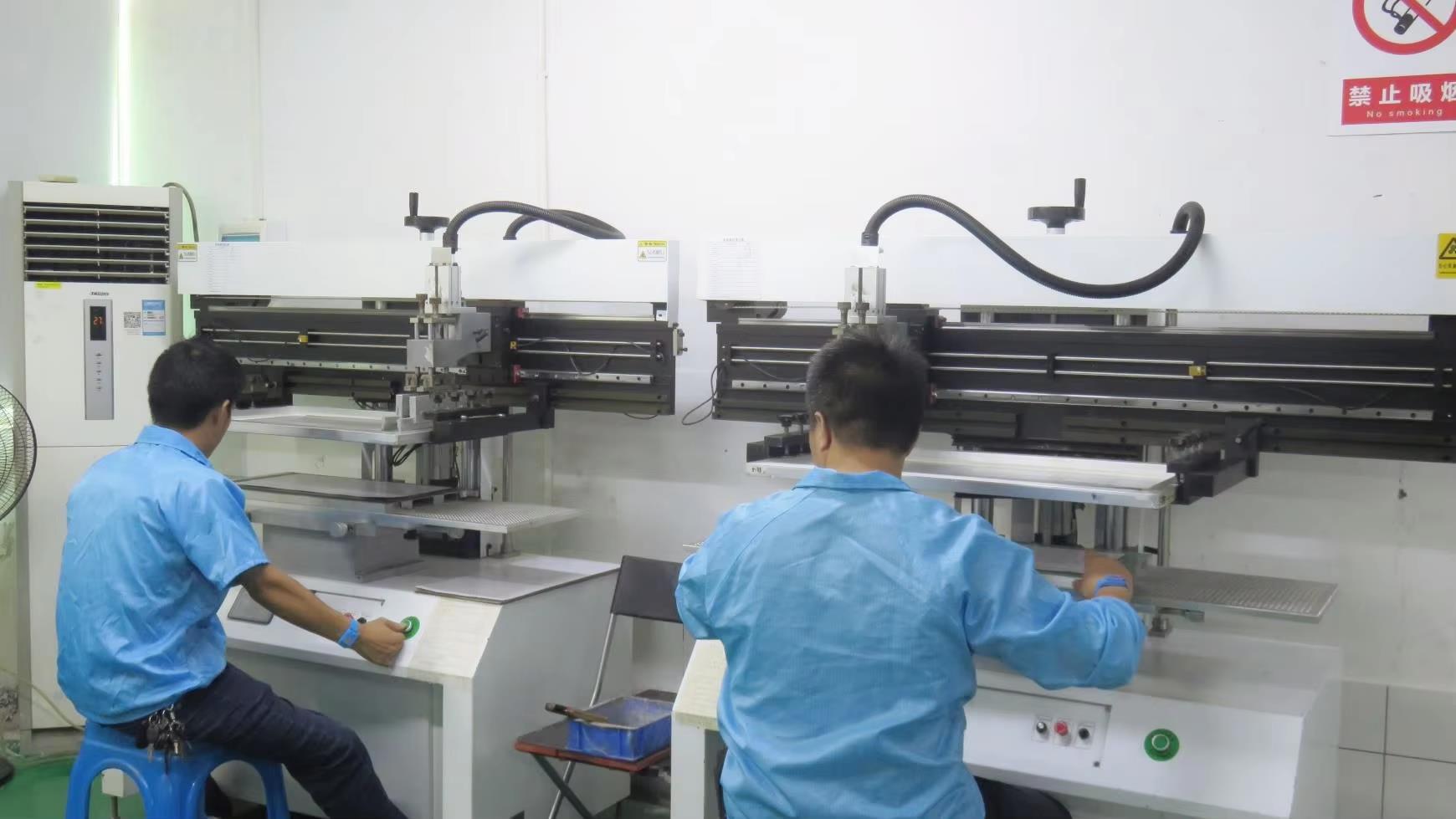
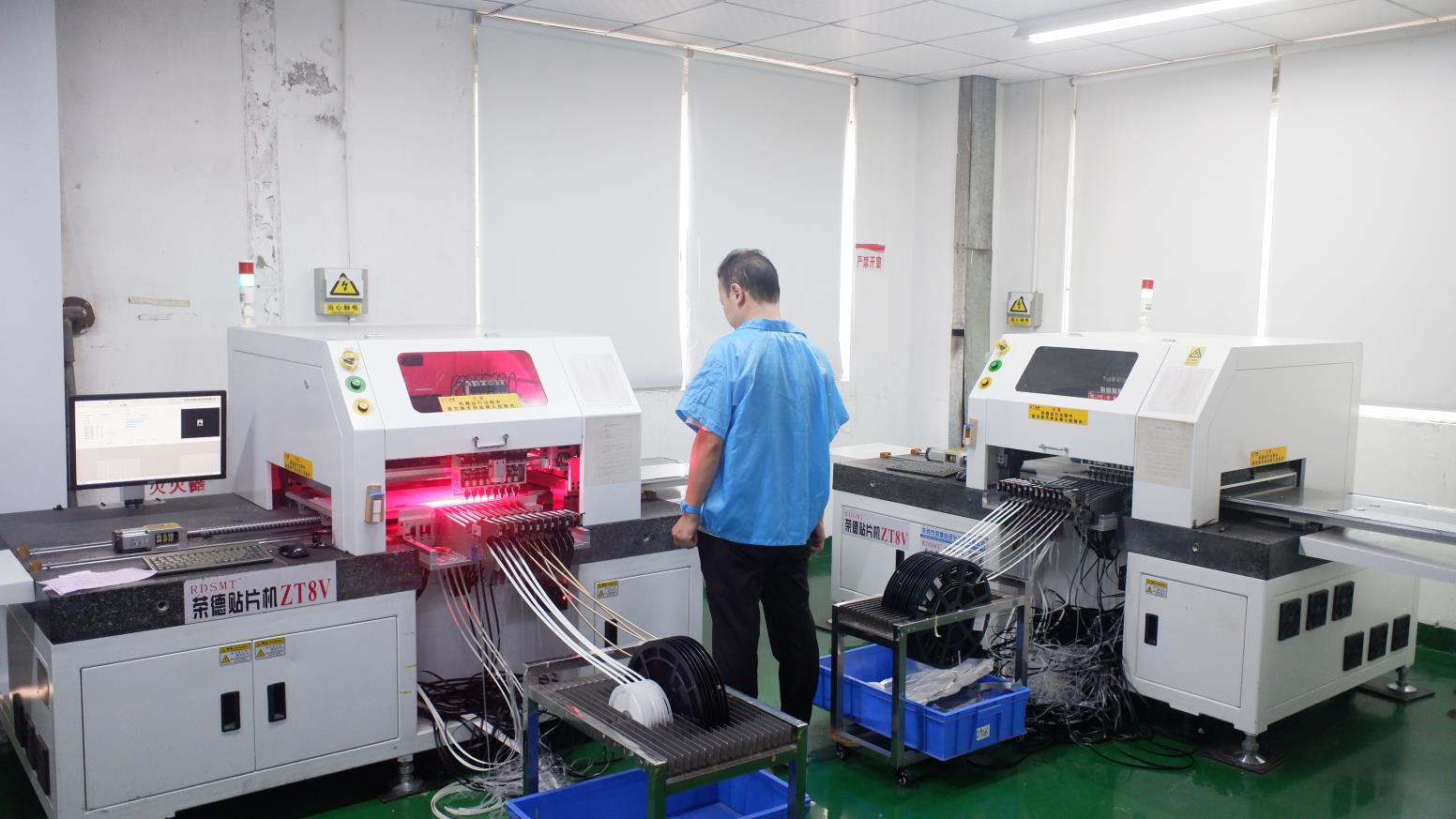
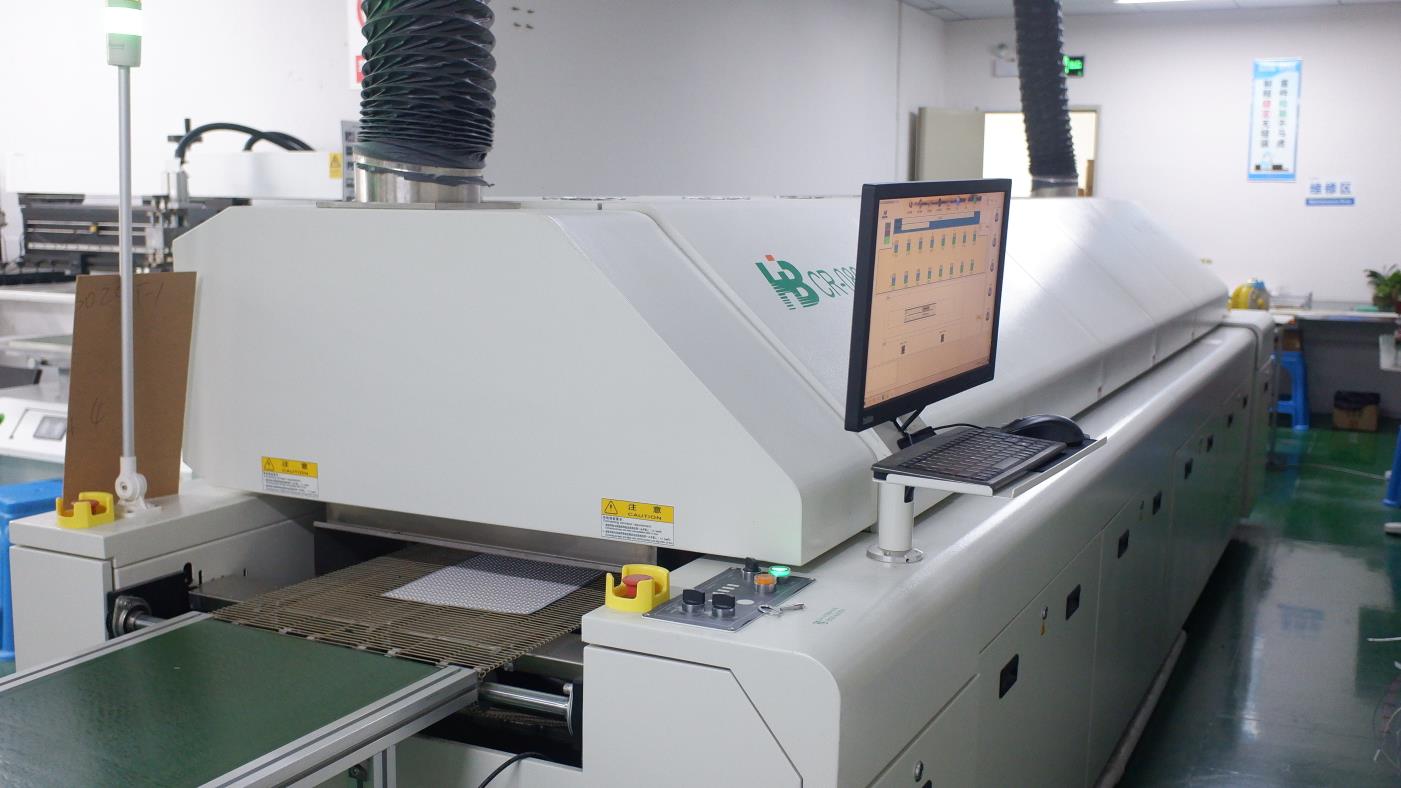
Navigating the labyrinth of global electrical compliance is one of the biggest hurdles for international lighting importers. A non-compliant ballast can lead to customs seizures, heavy fines, or catastrophic electrical fires. Zentem Light mitigates these risks by ensuring all our products strictly adhere to the specific regulatory frameworks of our target markets.
Our complete product portfolio is certified to meet the highest international standards, including ISO9001 for quality management, CE (LVD/EMC) for the European Economic Area, CB scheme certification for global mutual recognition, RoHS for environmental safety, and CCC for the Chinese domestic market. Furthermore, we actively support our long-term partners in obtaining localized certifications such as UL/cUL (North America), SAA (Australia), and SABER (Saudi Arabia).
Our LED ballasts feature advanced EMI filtering, ensuring they do not interfere with wireless networks, medical equipment, or other sensitive electronics, complying with CISPR 15 and FCC Part 15 standards.
Equipped with intelligent thermal throttling, our drivers automatically reduce output current if internal temperatures exceed safe thresholds, preventing catastrophic component failures.
To support global supply chains, we offer flexible payment terms including T/T, L/C, Open Account (OA), and monthly statements, helping our partners optimize cash flow and reduce import risks.
The operational demands placed on an LED ballast vary dramatically depending on the physical environment. A driver designed for an air-conditioned commercial office will fail rapidly if deployed in a high-humidity agricultural greenhouse or a high-temperature steel foundry. Zentem Light engineers application-specific solutions to guarantee optimal performance across diverse environments:
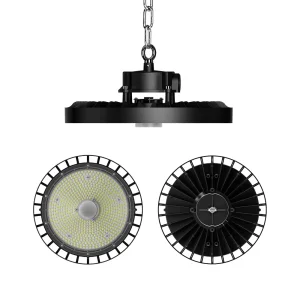
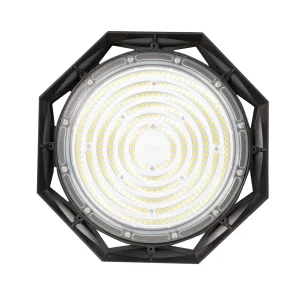
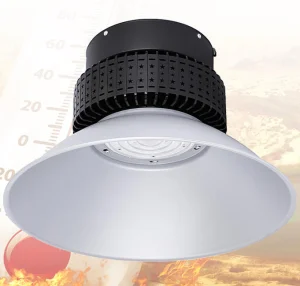
In massive logistics hubs and heavy manufacturing plants, fixtures are mounted at heights exceeding 10 meters, making maintenance extremely costly. Our UFO LED High Bay Lights (100W-240W) are powered by heavy-duty drivers engineered to withstand constant vibration, voltage fluctuations, and high ambient temperatures. With IP66 waterproofing and 10kV surge protection, these systems ensure uninterrupted operation in the harshest industrial environments.
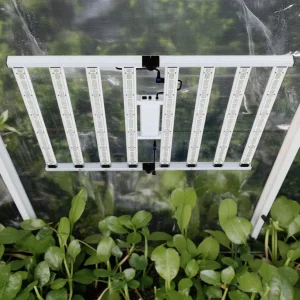
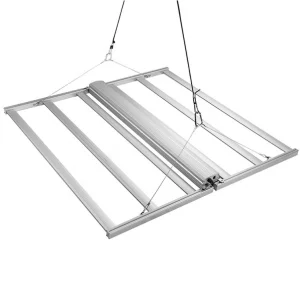
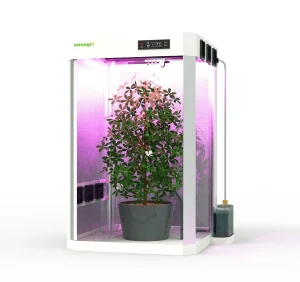
Modern vertical farming and commercial greenhouses require highly specialized spectrums and immense electrical power. Our high-power 800W and 1000W Full Spectrum LED Grow Lights utilize custom constant-current power supplies that manage the high thermal load generated by continuous, high-PPFD operation. These drivers feature isolated dimming channels (0-10V/PWM) to allow automated control systems to simulate natural sunrise and sunset cycles.
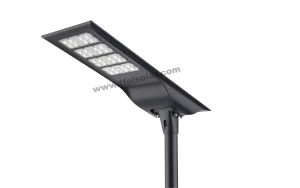
Municipal outdoor lighting requires extreme weather resistance and high energy efficiency. Our Solar Aluminium LED Street Lights integrate smart low-voltage DC-to-DC drivers designed to work seamlessly with photovoltaic panels and lithium battery storage systems. These drivers feature integrated MPPT (Maximum Power Point Tracking) charge controllers and motion sensors to dynamically adjust brightness, maximizing battery autonomy during extended periods of inclement weather.
As we look toward the future of solid-state lighting, the technology driving LED ballasts is undergoing a rapid evolution. The integration of wide-bandgap (WBG) semiconductors, such as Gallium Nitride (GaN), is set to revolutionize driver design. GaN transistors can switch at much higher frequencies with lower losses than traditional silicon-based MOSFETs. This allows for the production of ultra-compact drivers with efficiencies exceeding 97%, drastically reducing the physical size of the power supply and opening new possibilities for architectural fixture design.
Furthermore, the rise of the Internet of Things (IoT) is transforming the humble LED ballast into a smart node within a connected building ecosystem. Future-proof systems are transitioning to DALI-2 and D4i standards, which enable bidirectional communication. This allows the driver to report real-time energy consumption, operating temperature, and diagnostic data back to a centralized building management system (BMS), enabling predictive maintenance and automated energy optimization.
Our Commitment to Sustainability: Zentem Light is actively researching circular economy design principles. Our future technical roadmap focuses on modular driver assemblies, allowing individual components (such as electrolytic capacitors, which typically limit driver lifespan) to be easily serviced or recycled, reducing electronic waste and lowering the total cost of ownership for our clients.
Get authoritative answers to the most common technical and commercial questions regarding LED ballasts and industrial lighting procurement.
Precision-engineered linear, outdoor, and smart lighting solutions designed to deliver superior optical performance and energy savings.