Innovative smart luminaires & structural components engineered for high-performance industrial, architectural, and commercial ecosystems.
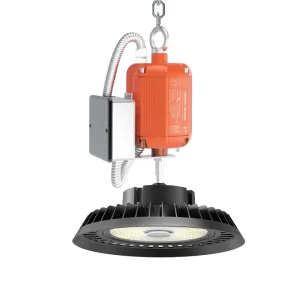
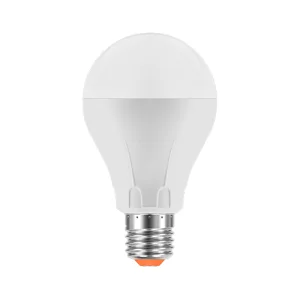
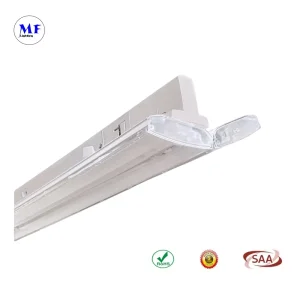
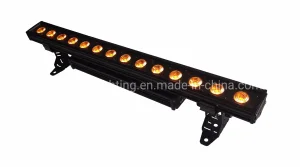
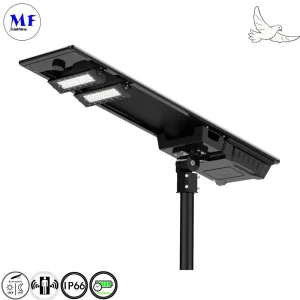
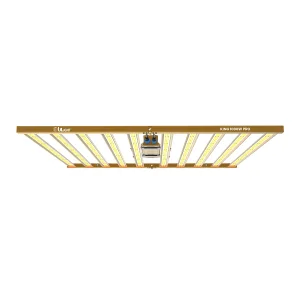
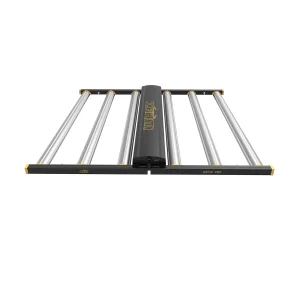
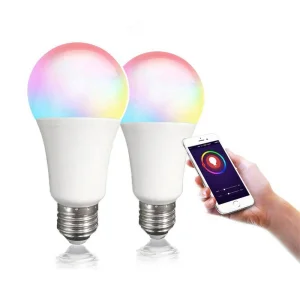
The transformation of task lighting from static, manual illumination to highly adaptive, network-controlled smart systems has accelerated. Fueled by developments in IoT protocols (such as Matter, Zigbee, Thread, and Wi-Fi 6), the global smart desk light market is evolving beyond simple app control. Today, it incorporates advanced health and productivity architectures like **Human-Centric Lighting (HCL)**, tunable spectrum controls, and automated color temperature adjustments aligned with circadian rhythms.
For B2B buyers—including office furniture distributors, hospitality procurement executives, and global consumer electronics brands—sourcing smart desk lights requires assessing both the external enclosure's design and the internal hardware architecture. Modern smart desk lights are complex IoT endpoints, combining microcontrollers, optical lenses, SMT-soldered LED matrices, and specialized wireless drivers. Finding a manufacturer capable of delivering these advanced electronic assemblies with high reliability is critical for maintaining market competitiveness.
Strategic Value Add: Market studies project that the global smart lighting market will grow at a CAGR of 20.4% from 2023 to 2030. In this environment, margins depend on sourcing from factories that integrate internal R&D, structural design, plastic/die-cast tooling, and automated SMT assembly under one roof.
To stand out in saturated consumer markets, modern smart luminaires must incorporate several core technology vectors. When evaluating a prospective manufacturing partner, ensure their R&D department can verify capabilities in the following areas:
Hardware controllers must deliver flicker-free dimming (preferably via high-frequency PWM or linear CC control) with CCT ranges from 2700K to 6500K, mirroring natural sunlight patterns.
Lamps should integrate seamlessly with smart ecosystems like Tuya, Apple HomeKit, Google Home, and Amazon Alexa. Support for the new Matter standard ensures future compatibility.
High fidelity is critical. Standard commercial lighting uses Ra > 80, but premium smart desk lamps require Ra > 90 (and ideally Ra > 95) with strong R9 values to reduce eye strain and support design work.
Located in China's lighting capital, Guzhen, Zhongshan Zentem Light Co., Ltd. demonstrates the advantages of highly integrated industrial cluster manufacturing.
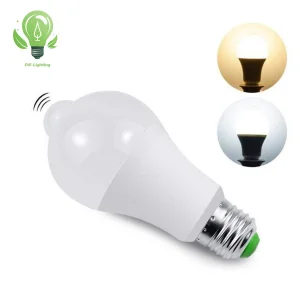
Based in Guzhen, Zhongshan—China's Lighting Capital—Zentem Light specializes in the manufacturing and export of high-quality LED lighting products, including LED bulbs, SKD bulbs, LED panel lights, rechargeable lights, and purity lamps. All products comply with international quality standards and certifications such as ISO9001, CE, CB, ROHS, and CCC, ensuring safety, reliability, and environmental sustainability. We also assist customers in obtaining specific certifications required for their target markets.
With more than 15 years of experience in the LED lighting industry, our products are trusted by customers in over 80 countries across Asia, the Middle East, Africa, and South America. We have successfully provided OEM and ODM services to more than 1,000 clients worldwide.
We offer flexible payment terms including T/T, balance before B/L, L/C, open account, and monthly statements to help reduce financial pressure and business risks. Your success is our priority, and we are committed to becoming a reliable long-term partner you can trust.
To support high-volume global distribution, Zentem Light operates a 42,800㎡ manufacturing facility. The facility features 16 automated production lines equipped with high-speed Samsung SMT machines and automated optical inspection (AOI) systems. This high degree of automation ensures a daily output exceeding 200,000 units. To maintain fast turnaround times and manage supply chain volatility, we operate four warehouses covering 21,800㎡, allowing us to buffer raw materials and handle high-volume shipments efficiently.
Quality in smart lighting manufacturing is defined by strict process control. Below is a detailed look at the 12-step manufacturing workflow at our Guzhen facility.
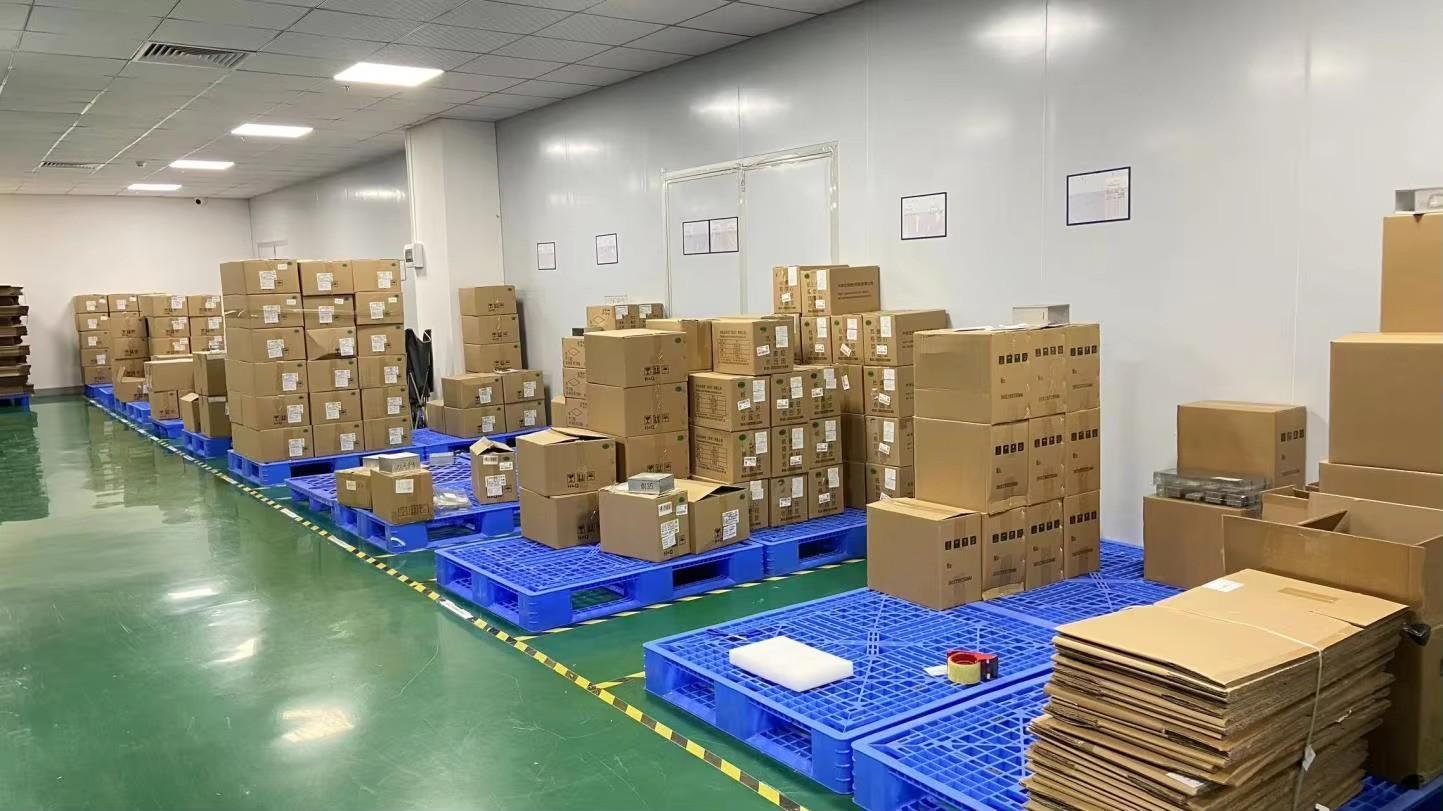
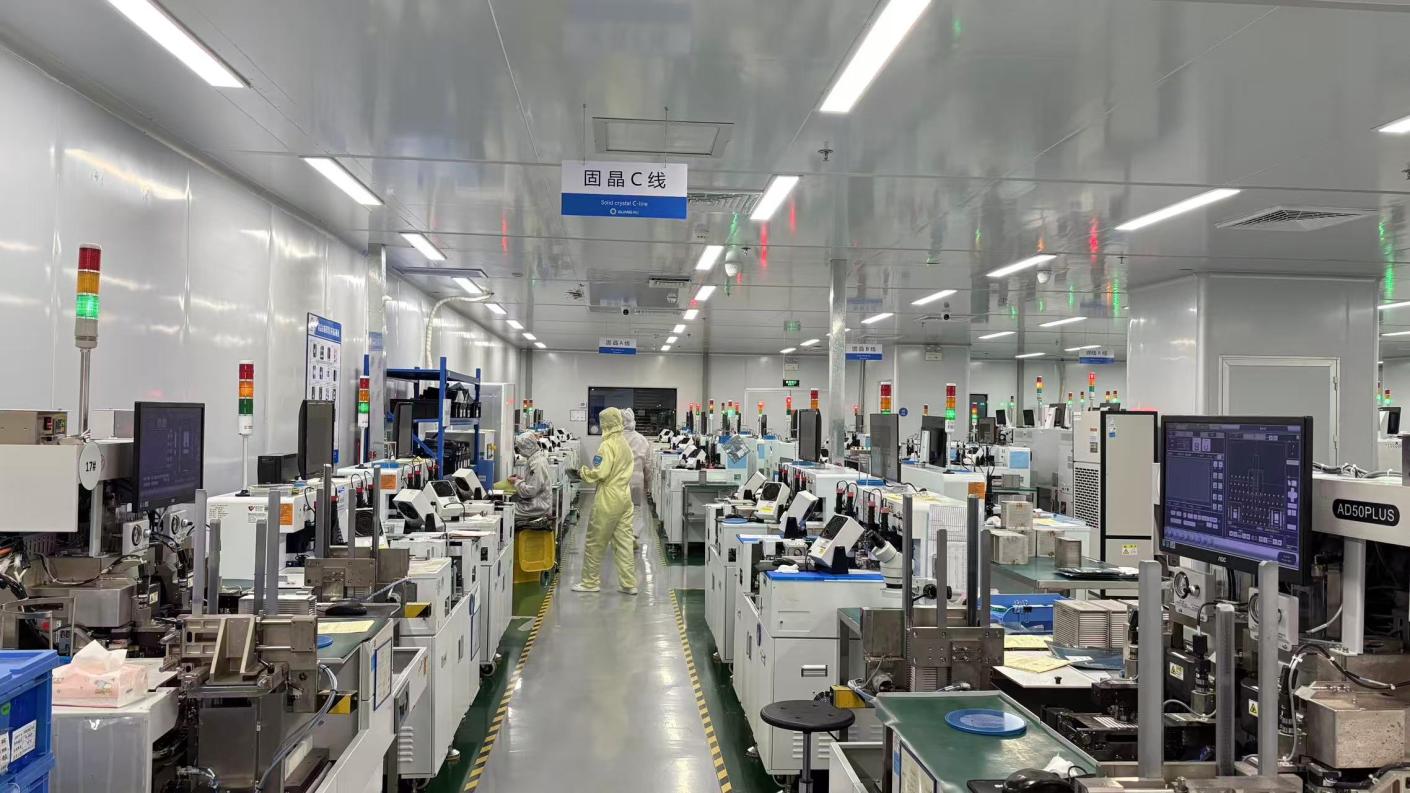
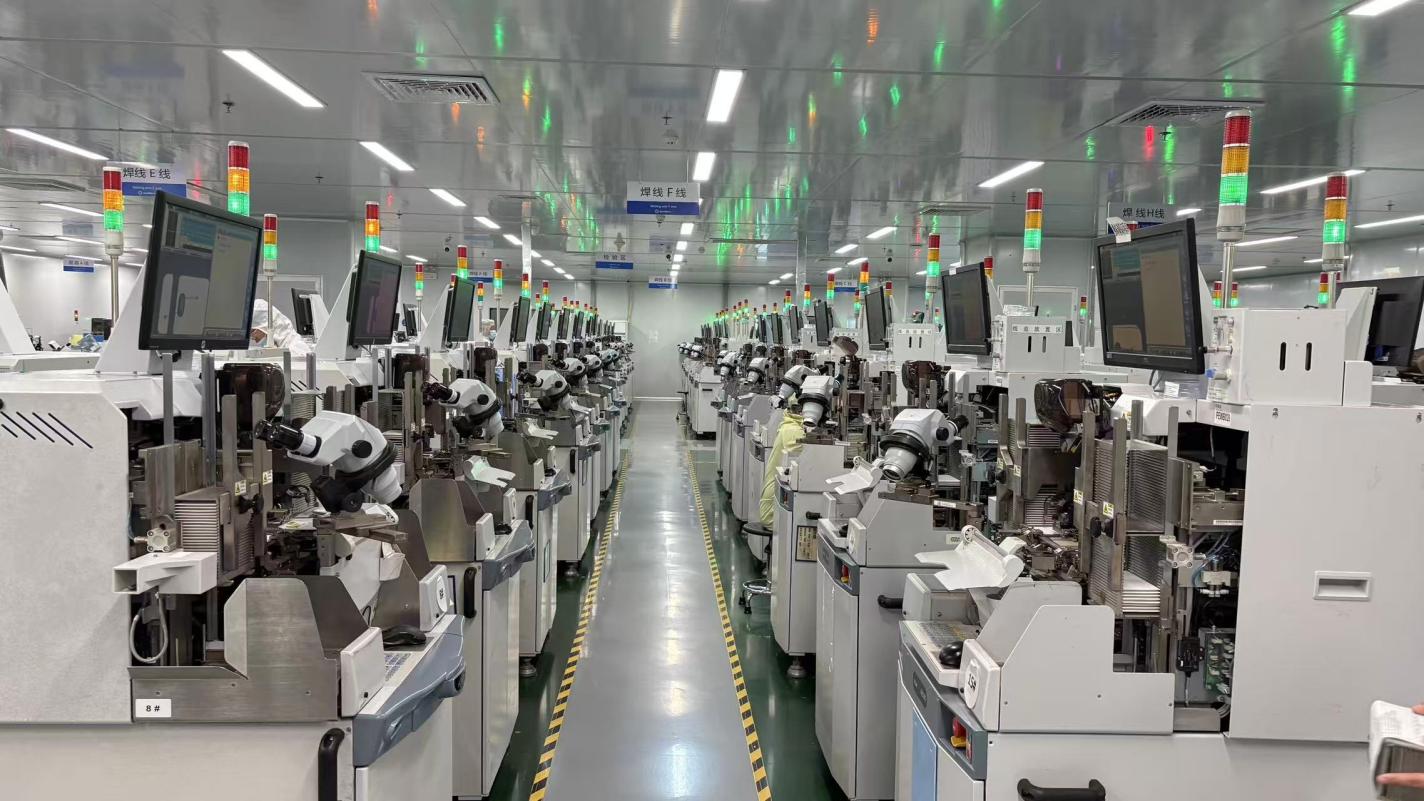
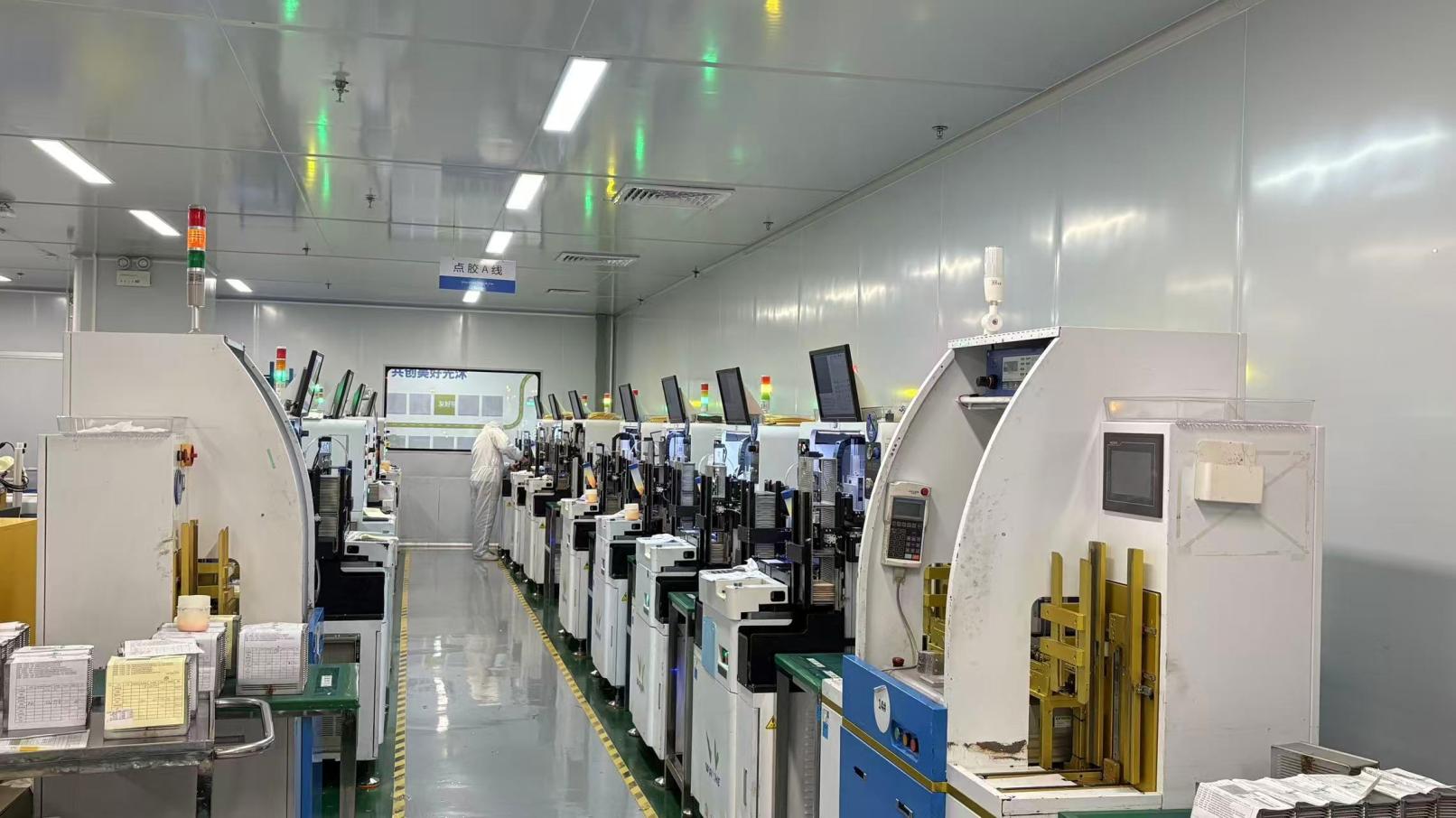
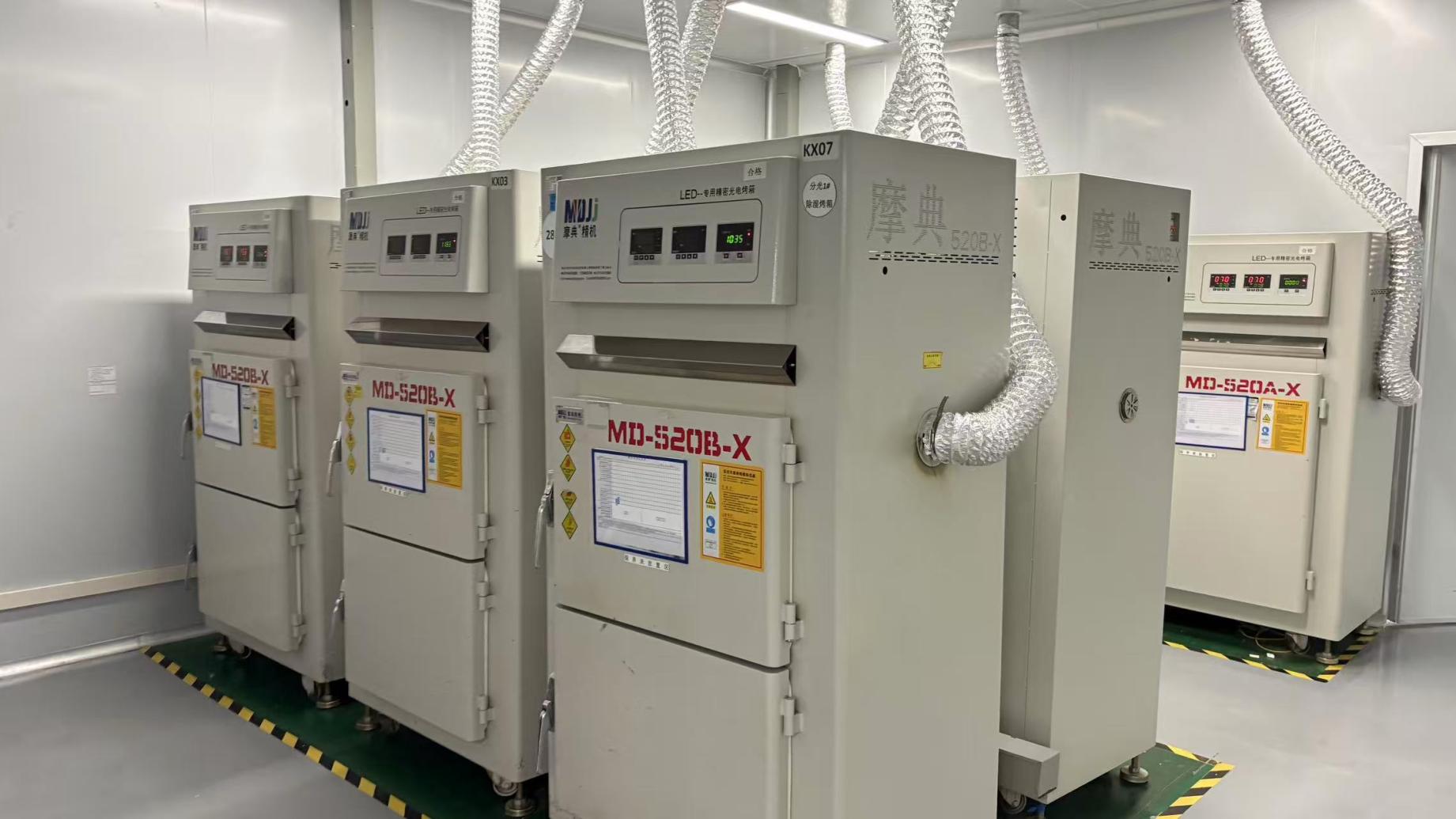
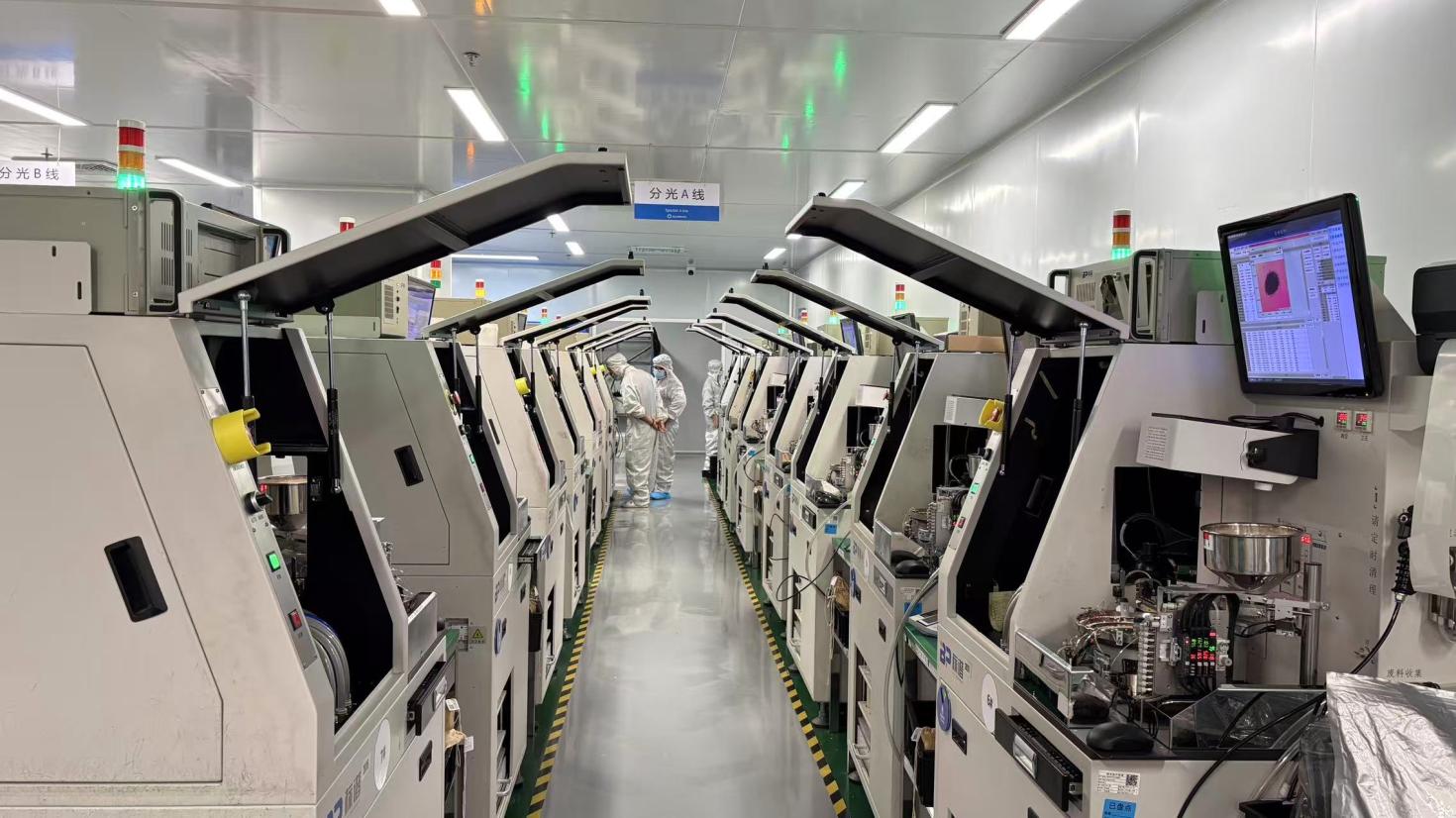
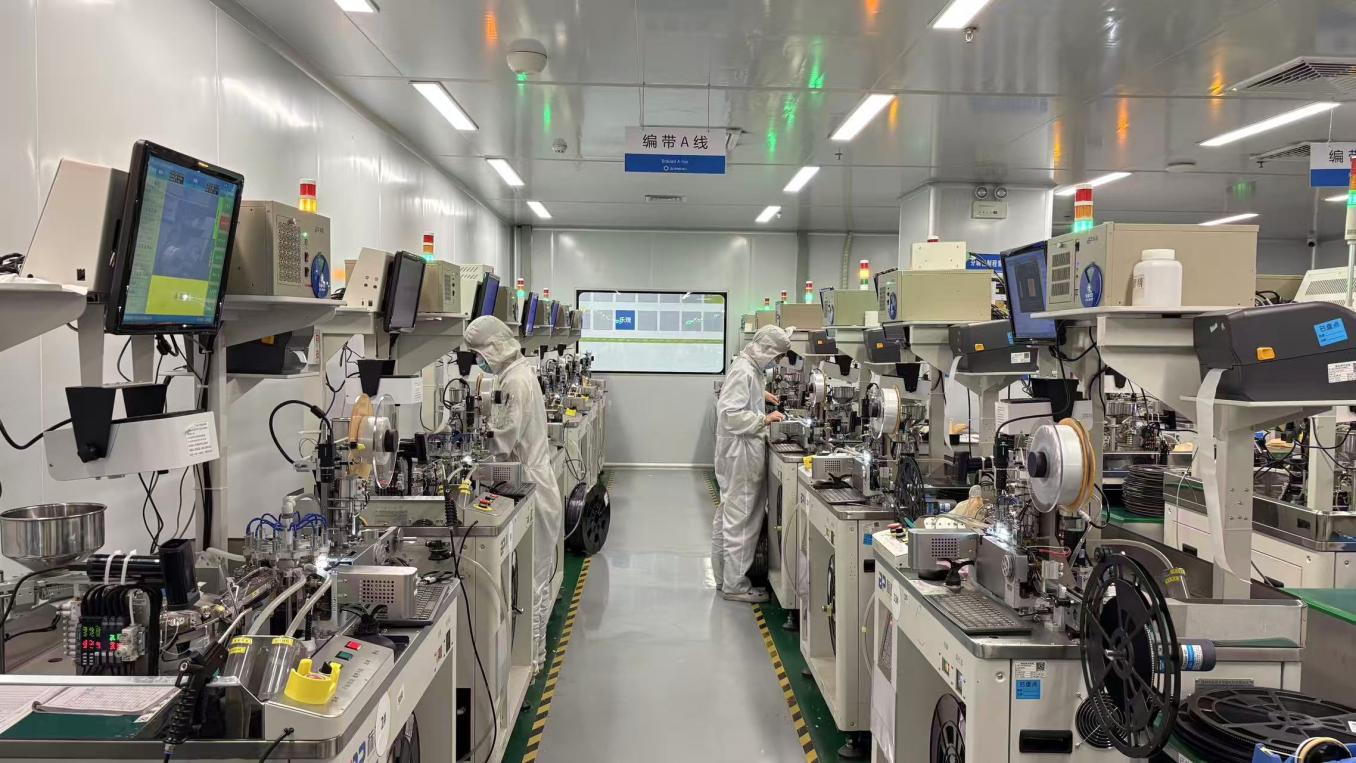
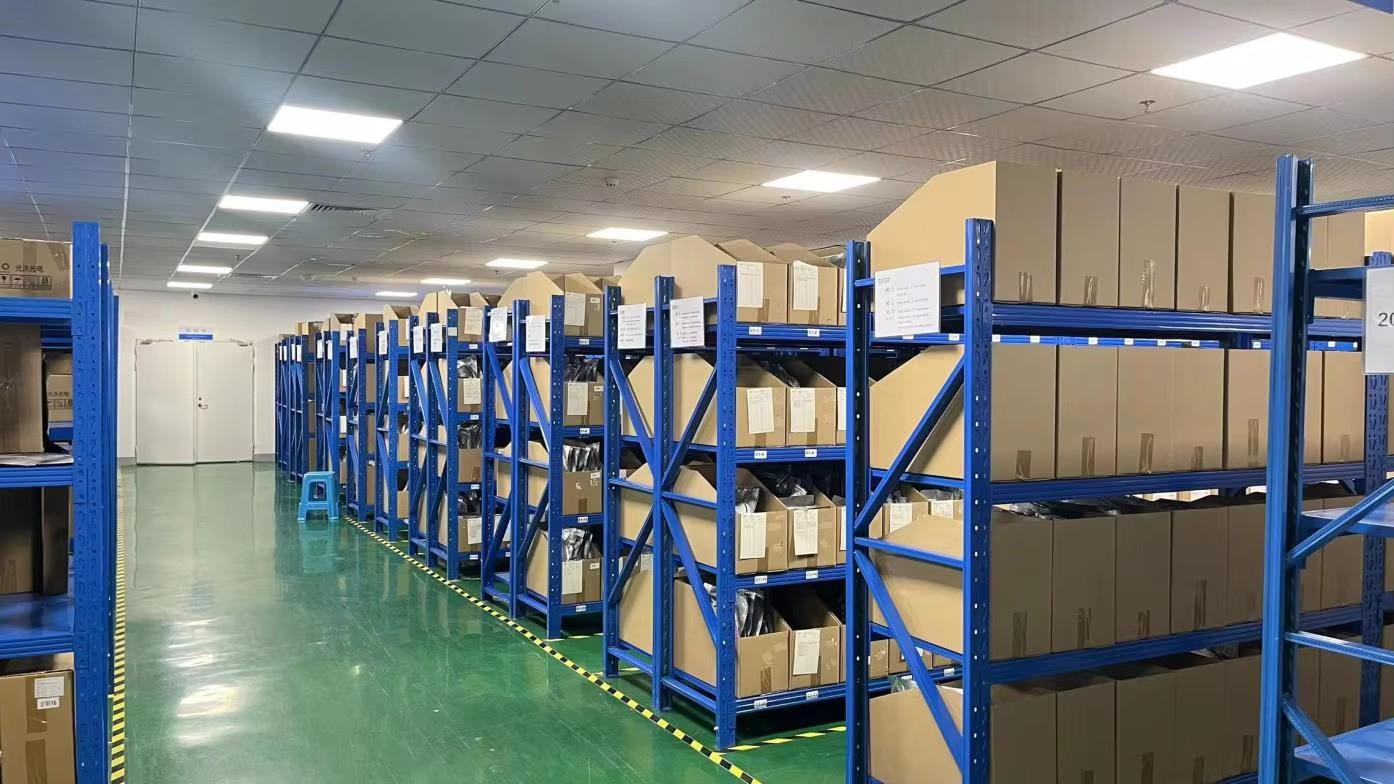
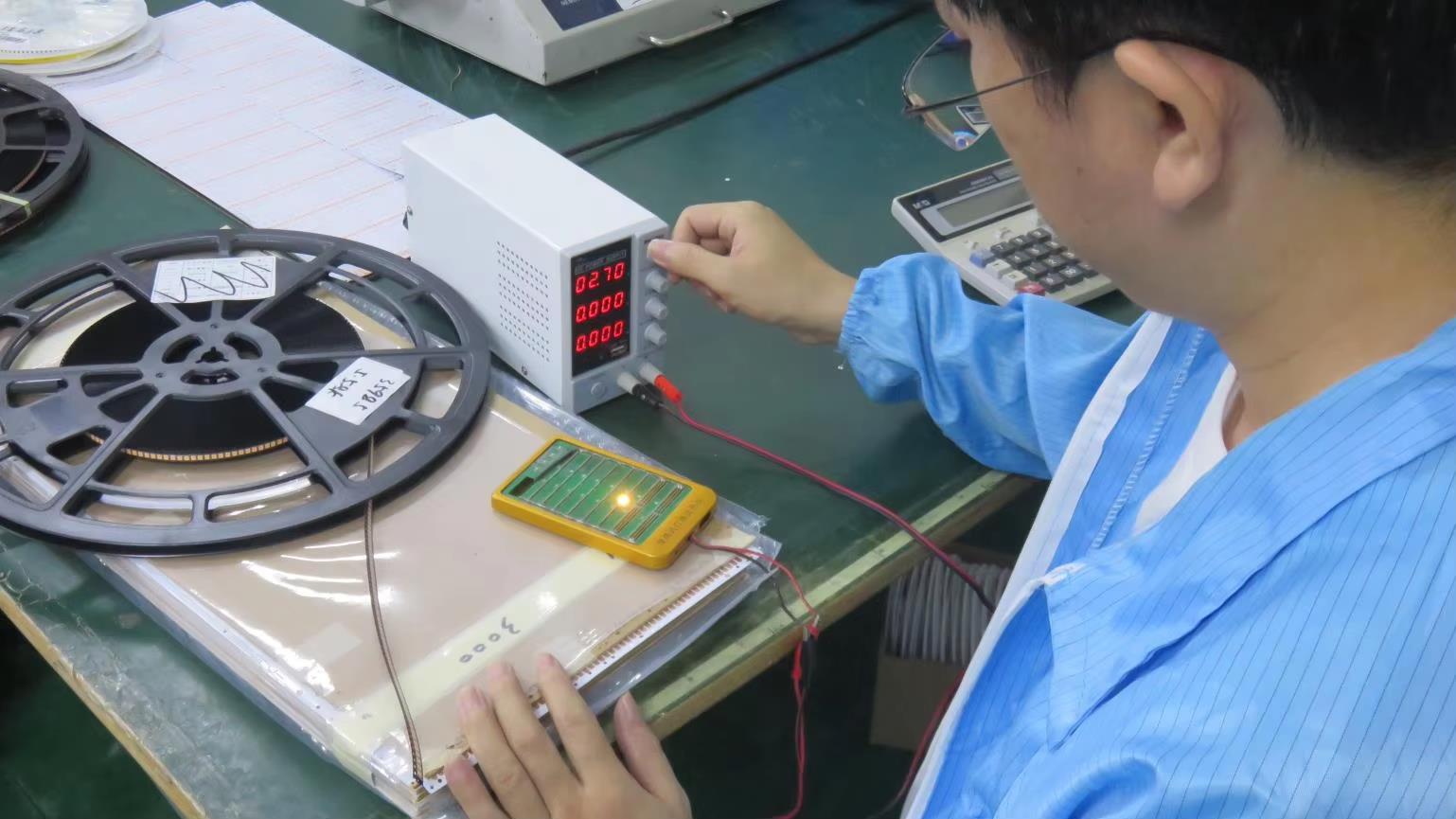
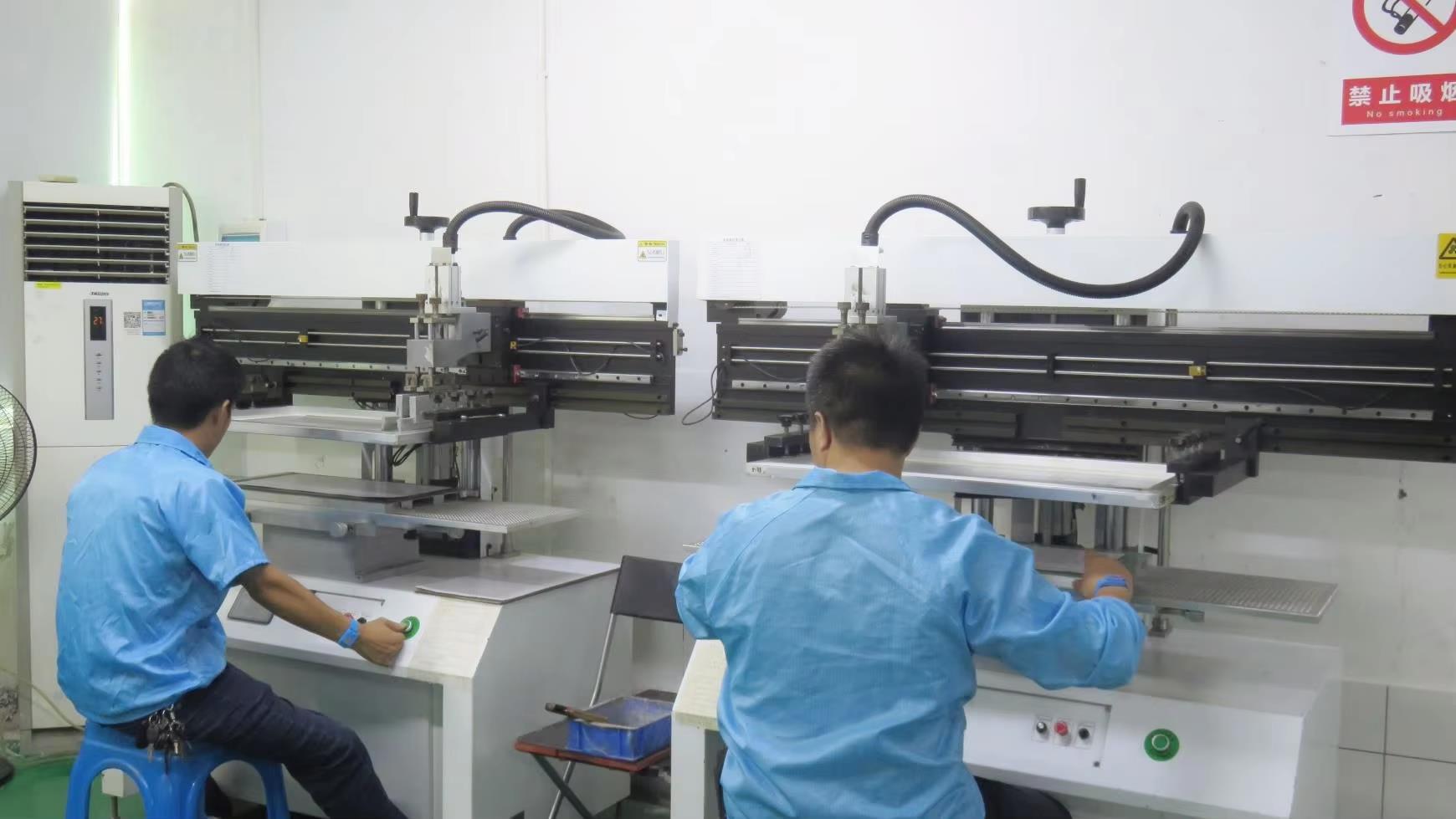
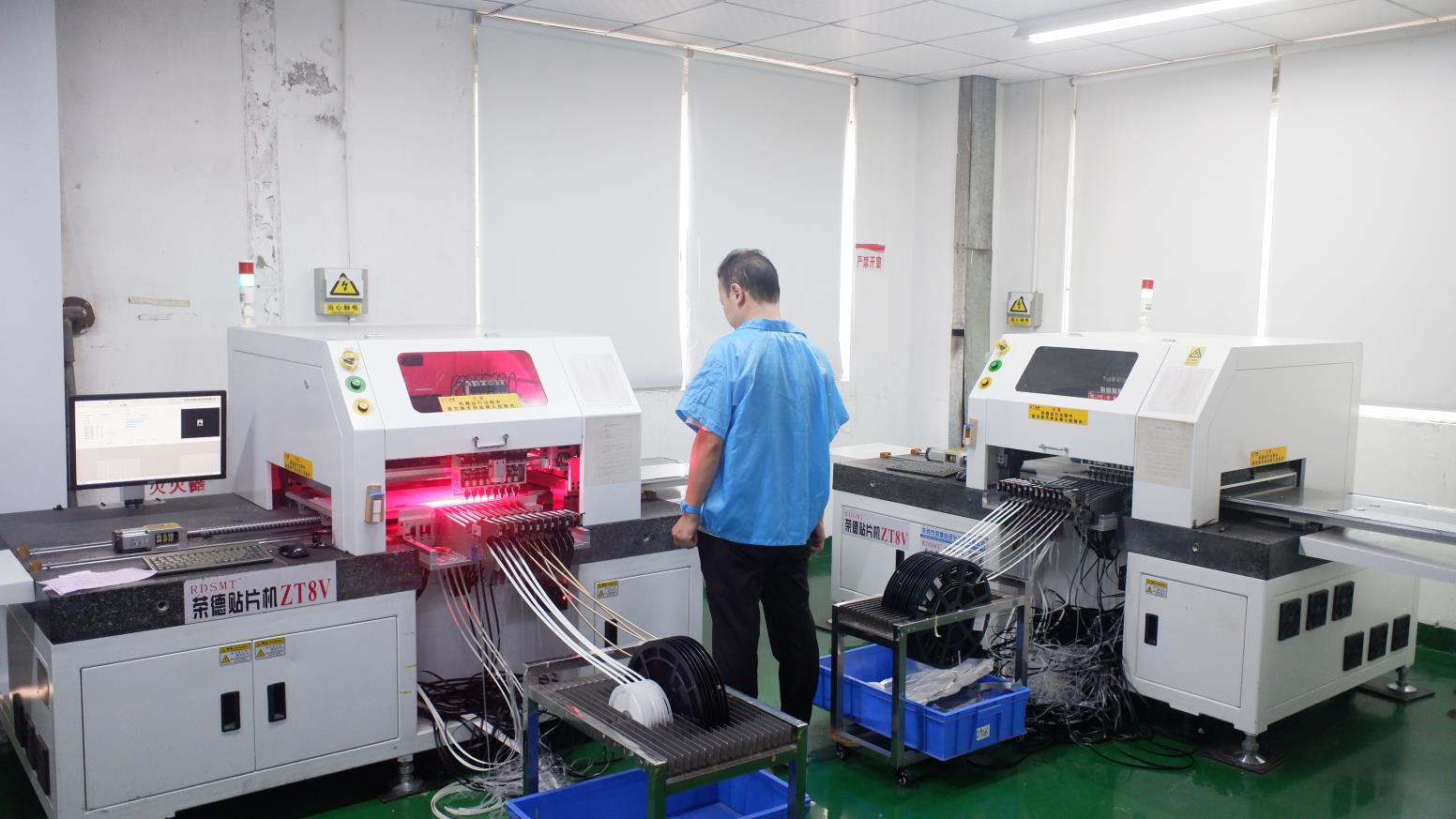
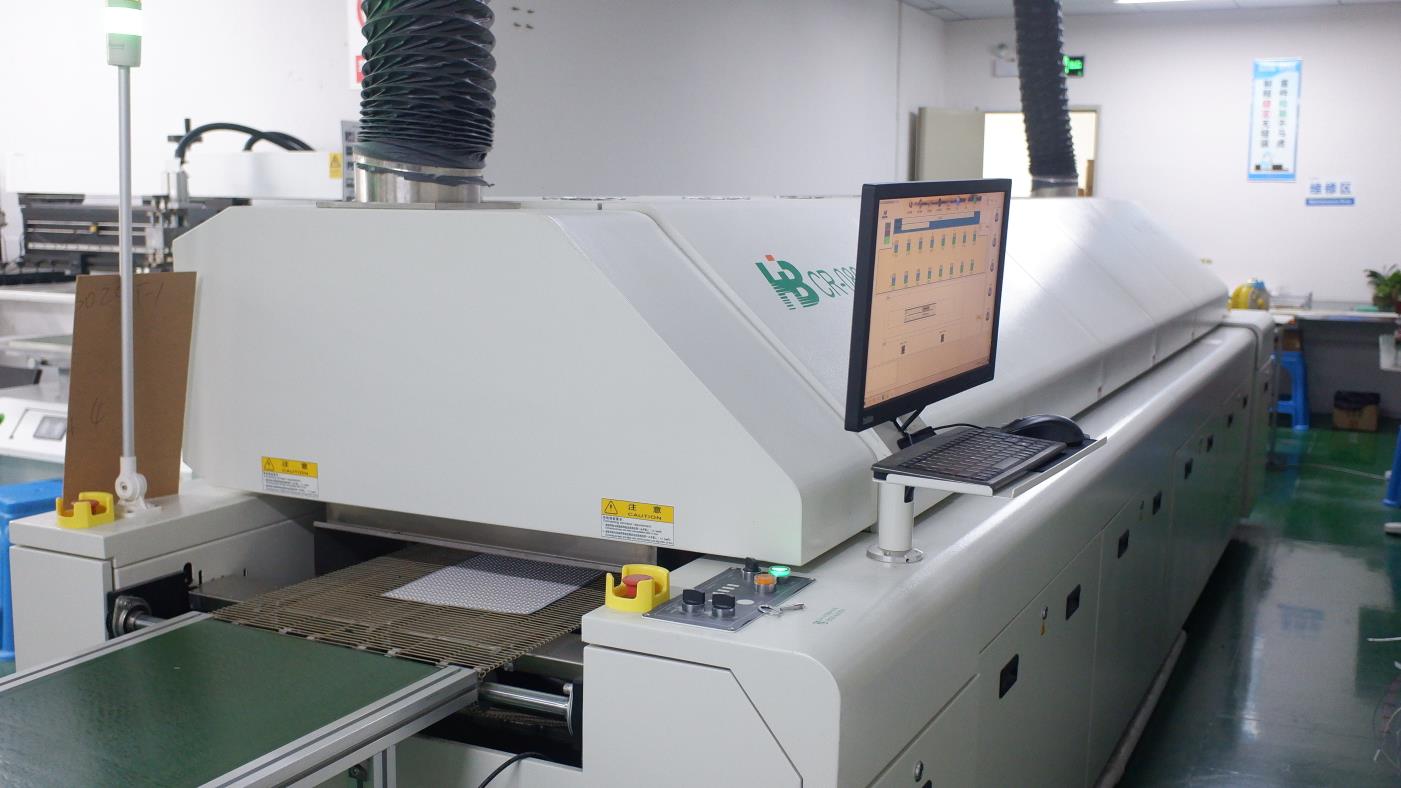
When sourcing smart desk lamps, buyers typically choose between manufacturing hubs in Southern China, Southeast Asia (primarily Vietnam and Malaysia), and Eastern Europe. However, Southern China—specifically Guzhen—remains the leading ecosystem for smart lighting production. Below is a comparative analysis of the regional factors influencing these manufacturing hubs:
| Sourcing Parameter | Zhongshan Guzhen (China) | Southeast Asia | Eastern Europe |
|---|---|---|---|
| Supply Chain Density | Ultra-High. All components (LED chips, drivers, drivers, optical components) are sourced within a 10km radius. | Moderate. Many core electronic components still need to be imported from China. | Low. High reliance on global logistics networks. |
| OEM/ODM Customization Speed | Fast. Prototypes are typically completed within 7–14 days. | Slow. Customization processes often take 30–45 days. | Moderate. High engineering capabilities, but hampered by longer tooling timelines. |
| Average Lead Times | 20–30 Days. Highly automated production lines ensure stable output. | 45–60 Days. Port congestion and supply chain gaps can cause delays. | 30–40 Days. Faster ground shipping to Europe, but overall production cycles are longer. |
The concentration of specialized suppliers in Guzhen reduces material transport times, lowers component costs, and accelerates product development. When a smart light design changes, the mold modifications, PCB redesigns, and driver adjustments can be handled locally by specialized suppliers. This network allows manufacturers like Zentem Light to rapidly scale up from small prototype runs to full mass production.
In addition, advanced SMT manufacturing requires continuous capital investment. SMT lines equipped with high-speed chip placers from Samsung or Panasonic allow factories to achieve placement accuracy within microns. This level of precision is necessary for mounting small-footprint LED chips and micro-controllers, ensuring long-term product durability and reducing field failures to under 0.05%.
Addressing the technical, regulatory, and financial questions asked by professional procurement managers during the factory vetting process.
High-efficiency LED systems, architectural lights, and smart components designed for global commercial markets.