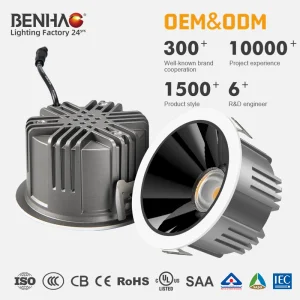
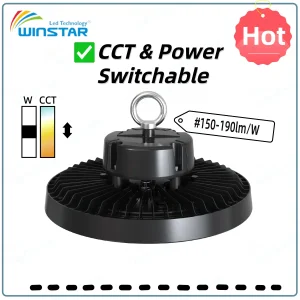
Explore our international CE-compliant LED and Solar-integrated luminaires manufactured for extreme durability and optical precision.
The global outdoor lighting matrix is undergoing a structural transition. Driven by strict carbon-neutrality mandates, rising grid energy costs, and grid instability across developing nations, commercial buyers no longer treat solar lighting as a niche alternative. Instead, integrated solar LED systems have become the benchmark standard for municipal highways, commercial logistics parks, industrial yards, and remote infrastructure projects.
Historically, early-generation solar lighting suffered from premature battery degradation, inefficient poly-crystalline silicon panels, low-efficacy LEDs (<90 lm/W), and crude PWM (Pulse Width Modulation) charge controllers. Modern engineering has systematically eliminated these failure points. Today’s industrial-grade solar luminaires integrate high-efficiency monocrystalline TOPCon solar cells (efficiency >23.5%), Maximum Power Point Tracking (MPPT) micro-controllers, ultra-durable Lithium Iron Phosphate (LiFePO4) battery chemistry, and optical efficiency surpassing 200 lm/W.
However, as global adoption accelerates, enterprise buyers face a crowded supplier ecosystem characterized by inconsistent quality claims and non-compliant hardware. Navigating this market requires a rigorous framework focused on verified technical compliance, authoritative CE certification benchmarking, and factory-level engineering transparency.
CE certification (Conformité Européenne) is not merely a trading pass for the European Economic Area; it serves as a worldwide proxy for engineering safety, electromagnetic compatibility, and physical integrity. For enterprise importers, municipal planners, and EPC contractors, purchasing non-certified or pseudo-certified solar luminaires introduces profound legal liabilities and operational risks.
Ensures electrical safety across all operating conditions. Evaluates insulation resistance, creepage distances, thermal tolerance of internal wiring, and dielectric strength under high voltage surges. Prevents short-circuits, electric shocks, and thermal runaway hazards.
Verifies Electromagnetic Interference (EMI) emissions and immunity. Ensures high-frequency MPPT charge controllers and LED drivers do not interfere with cellular networks, radar, or adjacent wireless communications while resisting external surge voltages.
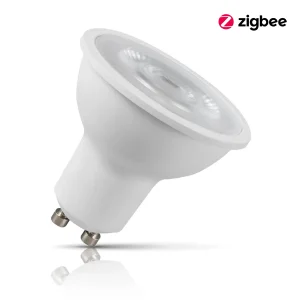
Mandatory for Smart Solar Lights equipped with Tuya, Zigbee, LoRa, or NB-IoT communications. Regulates radio frequency spectrum usage, cybersecurity baseline integrity, and data transmission stability without signal overlapping.
Crucial Procurement Assurance: Genuine CE compliance mandates exhaustive testing reports from accredited third-party bodies (TÜV Rheinland, SGS, Intertek, or Dekra) covering IEC 62722 (luminaire performance), IEC 62471 (photobiological safety), and UN38.3 (lithium battery transport testing). Zentem Light maintains complete, verifiable testing documentation across all product series.
Enterprise procurement managers, government municipal auditors, and large-scale importers operate under stringent financial and operational targets. Selecting an international solar lighting manufacturing partner involves analyzing Total Cost of Ownership (TCO), supply continuity, failure rate probabilities, and local climate adaptabilities.
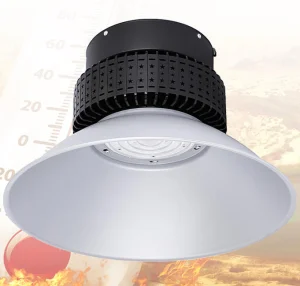
Primary Environmental Stressors: Extreme ambient temperatures (>50°C), heavy airborne sand dust, high UV radiation degradation.
Required Technical Architecture: Heat-dissipating aluminum alloy housings, toughened self-cleaning glass panels, IP66/IP68 sealing, and high-temperature LiFePO4 chemistry engineered with active thermal shutdown circuits.
Primary Environmental Stressors: Sub-zero freezing temperatures, reduced solar irradiance during winter, prolonged cloud cover.
Required Technical Architecture: Bifacial solar panels, intelligent MPPT charging curves optimized for low sunlight, heat-jacketed batteries, and adaptive smart dimming profiles to maintain continuous autonomy for 5-7 rainy days.
Primary Environmental Stressors: High humidity, salt-spray corrosion, tropical typhoons, severe lightning strikes.
Required Technical Architecture: Anti-corrosion powder coating (C4/C5 marine grade standard), 10kV/20kV surge protection devices (SPD), aerodynamically rated structural designs (typhoon resistance up to 60m/s).
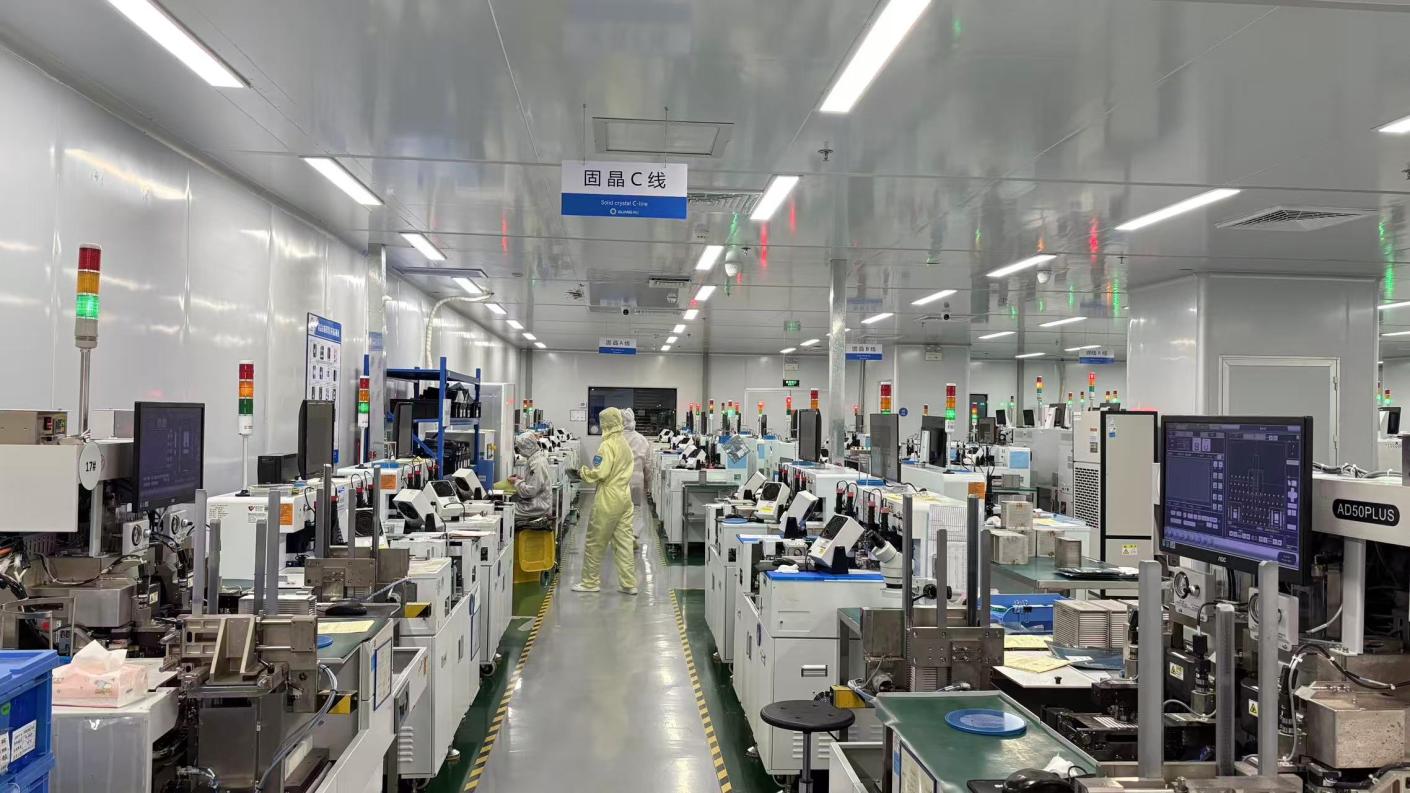
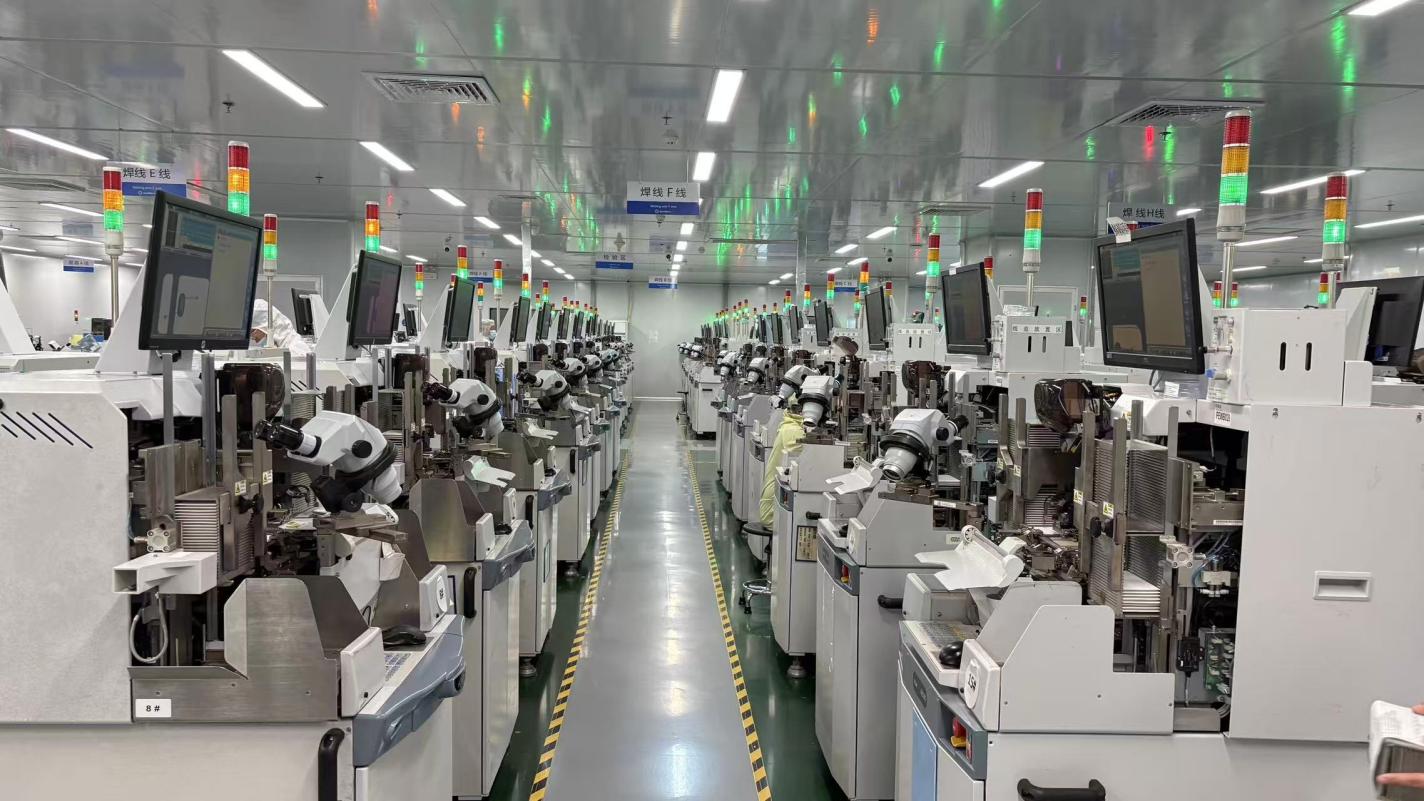
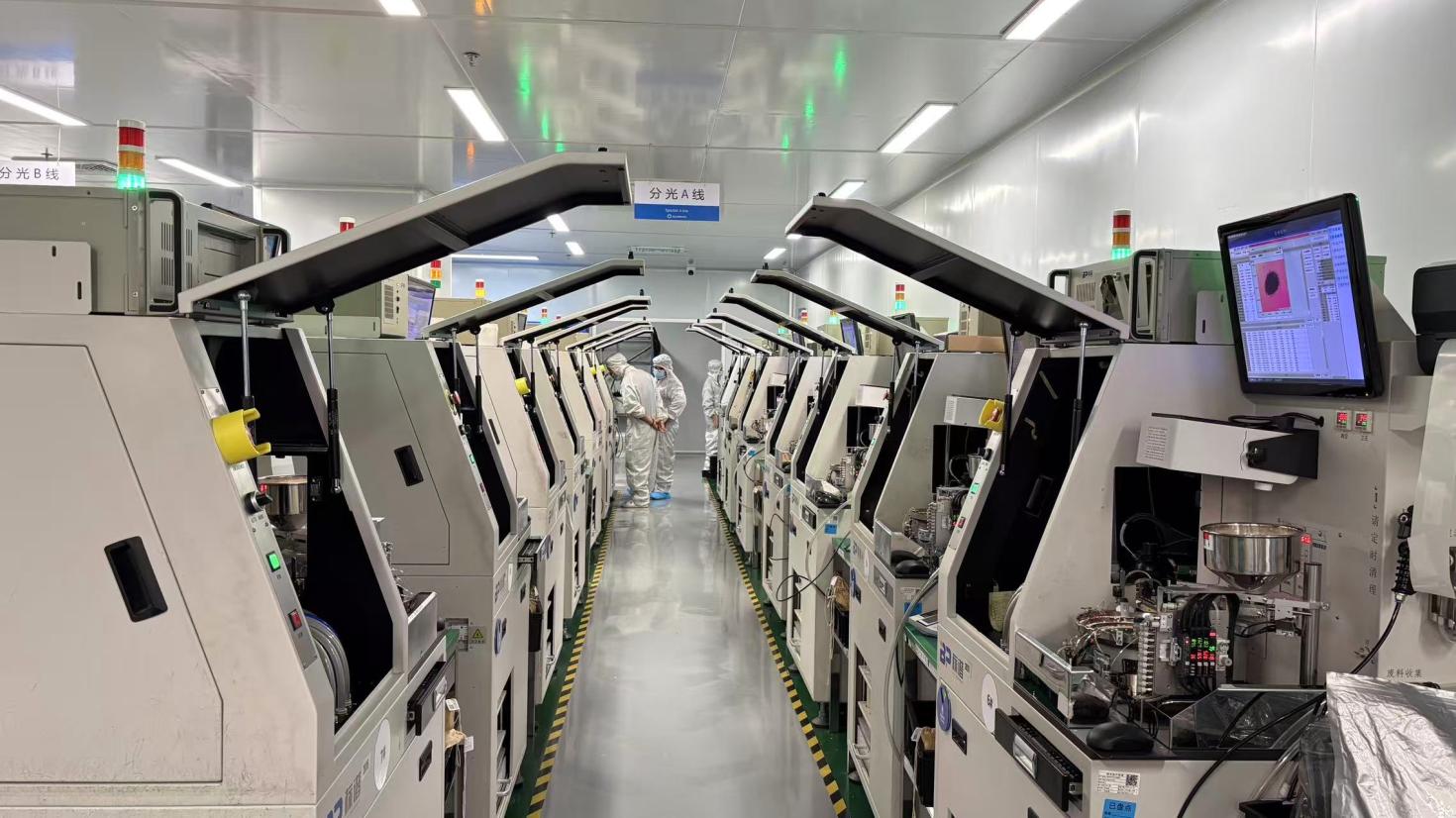
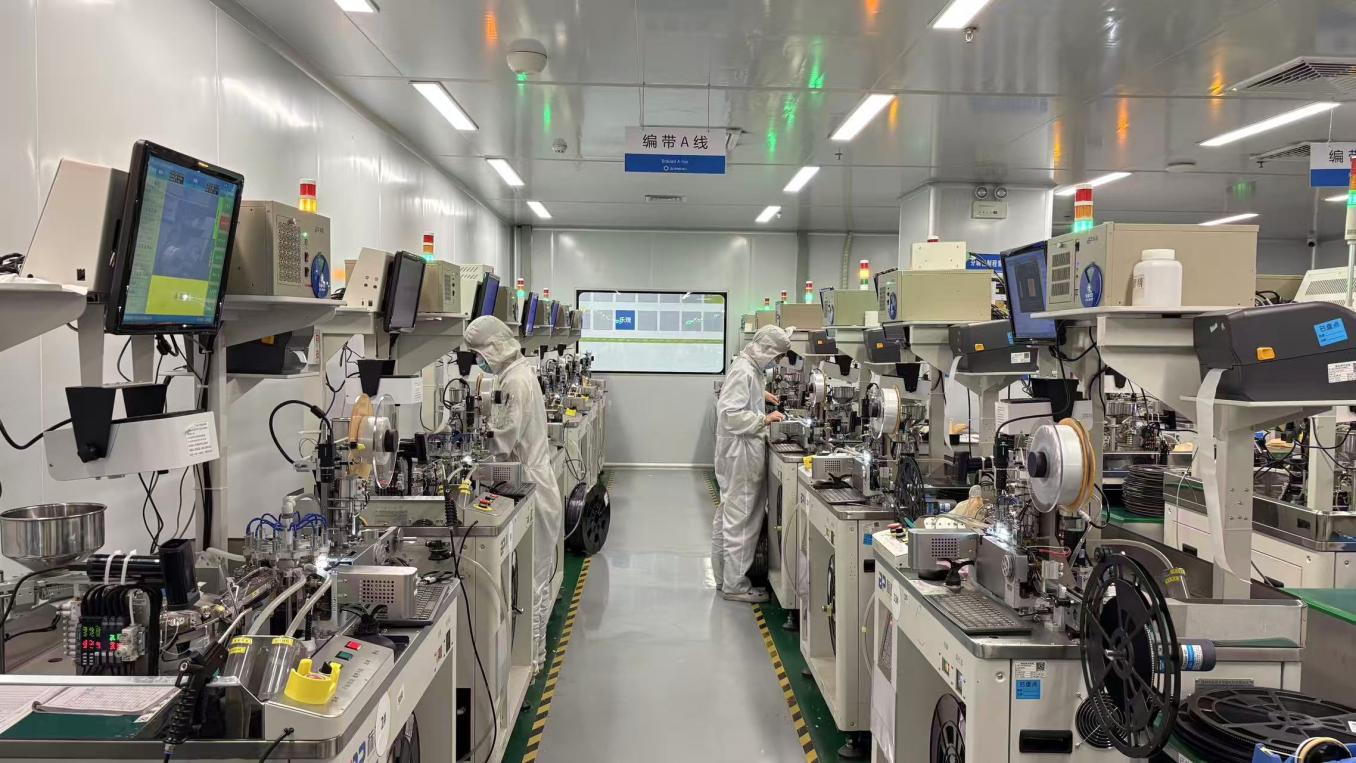
Located in Guzhen, Zhongshan — globally recognized as China's premier Lighting Capital — Zhongshan Zentem Light Co., Ltd. represents the benchmark for enterprise-grade LED and solar light manufacturing. Spanning a state-of-the-art 42,800m² production complex, our facility integrates high-precision automation with robust ISO9001 quality management protocols.
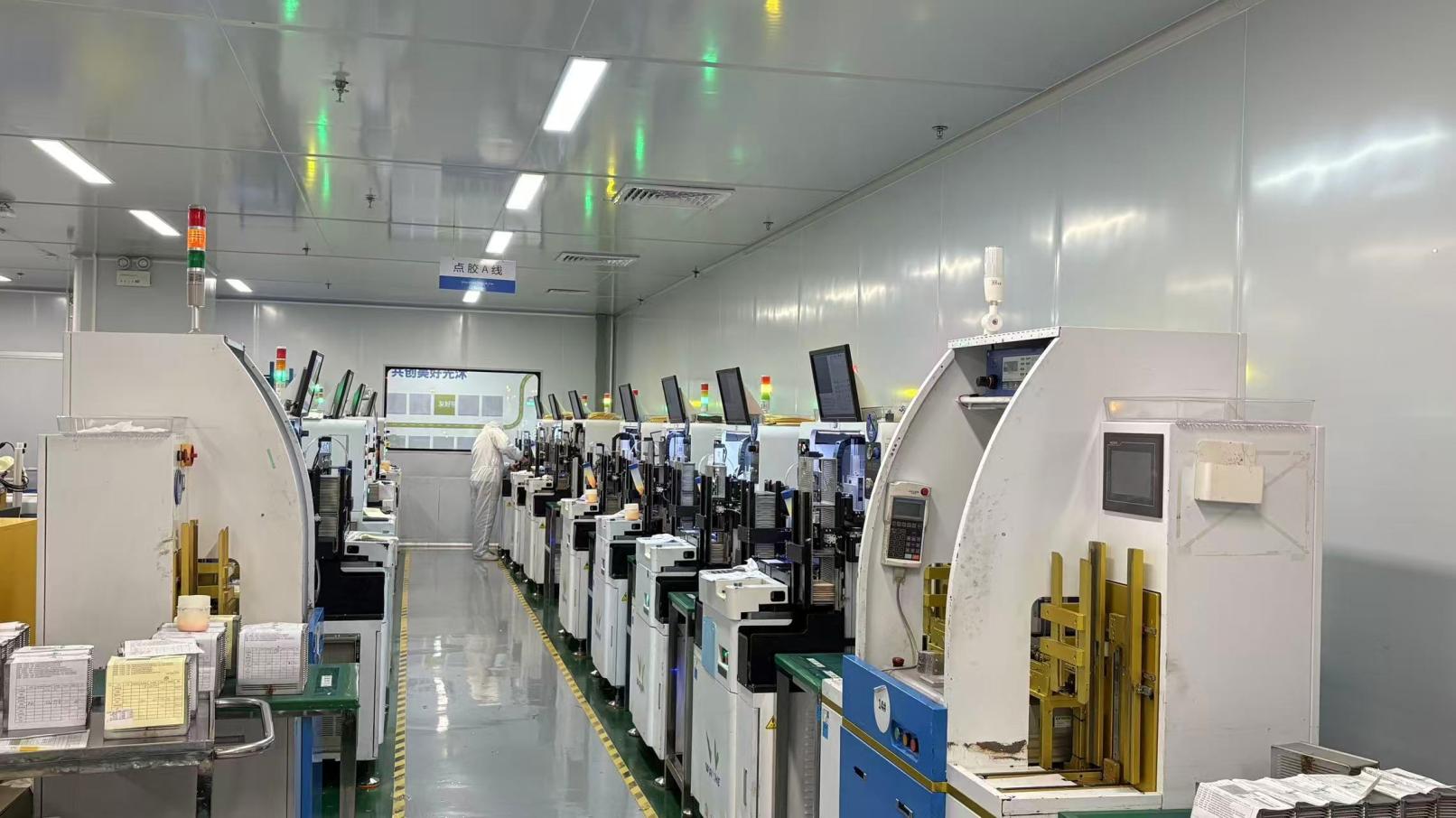
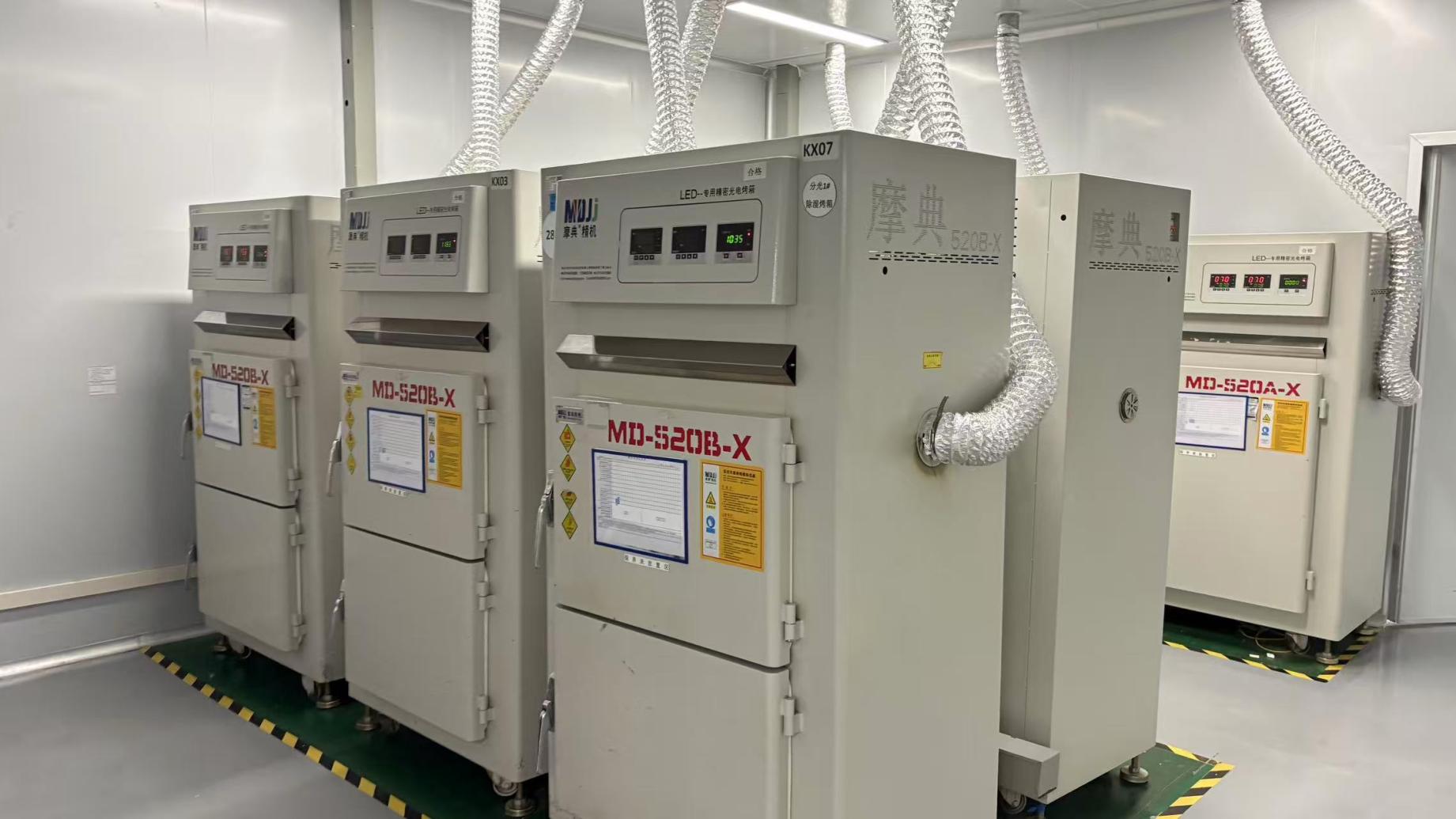
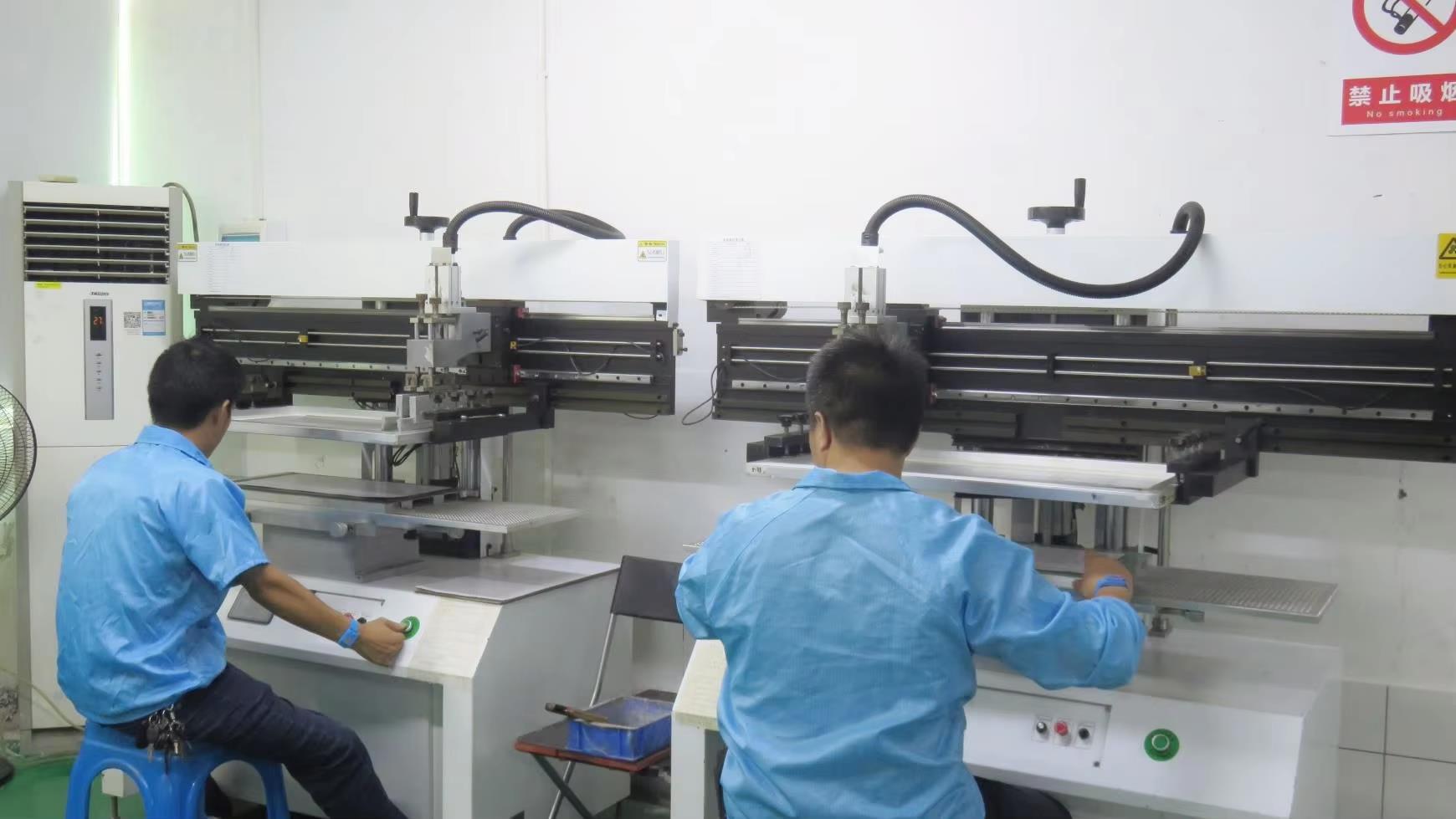
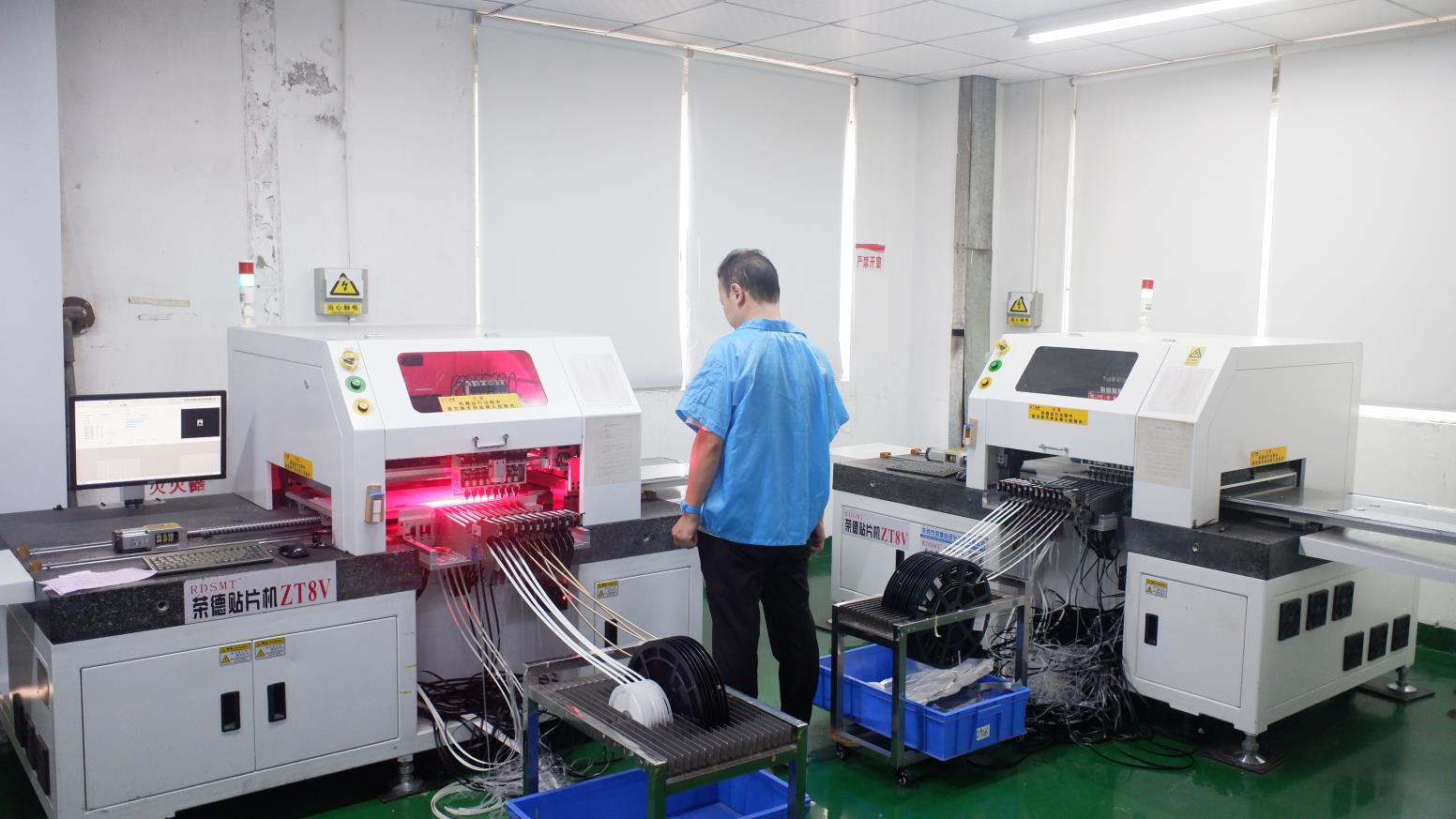
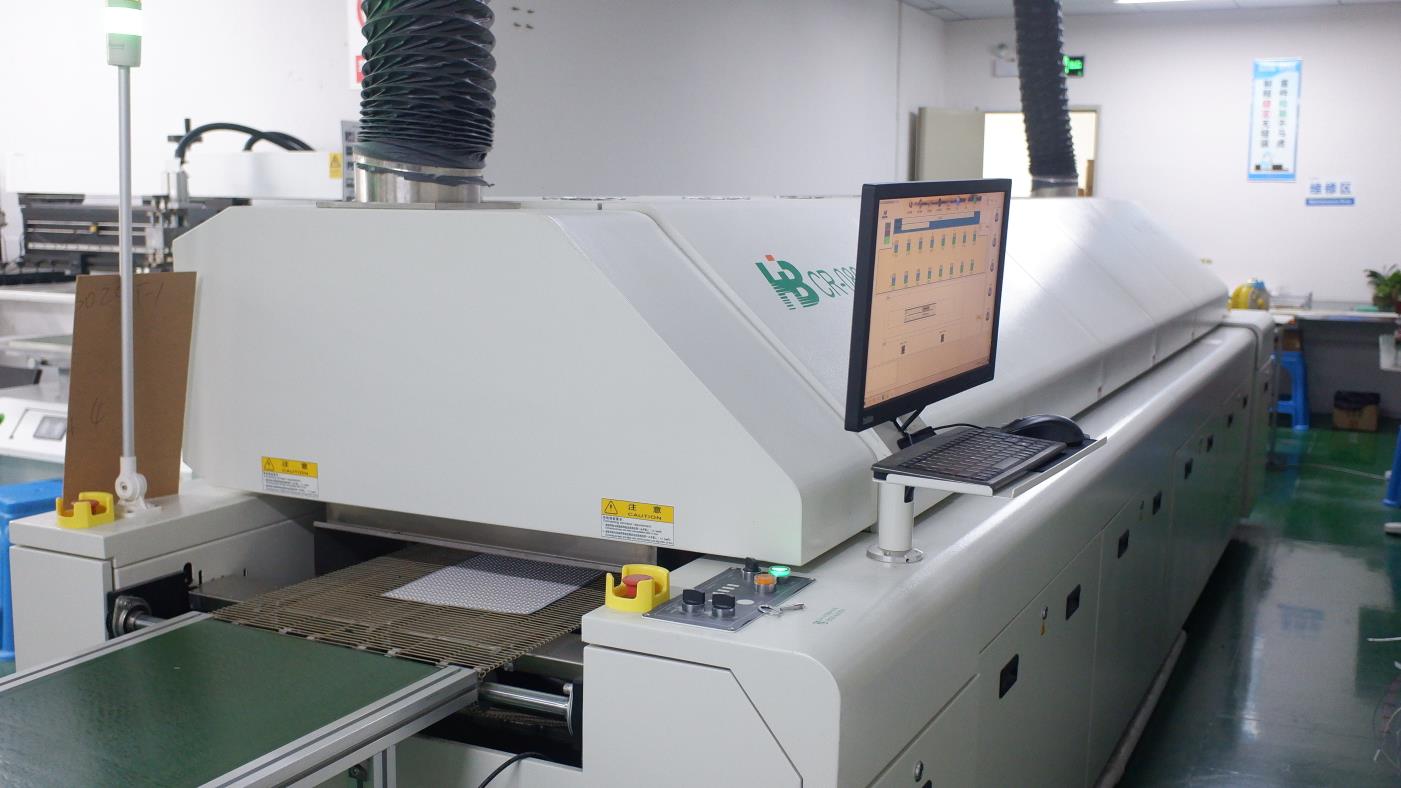
We operate 16 high-speed automated production lines equipped with advanced Samsung SMT machinery, high-precision automated soldering stations, dynamic integrating spheres, and rigorous environmental test chambers. Our output capacity easily scales to meet large-scale infrastructure projects while maintaining a defective rate well below 0.05%.
With over 15 years of operational excellence, Zentem Light serves clients across 80+ countries spanning Europe, North America, the Middle East, Africa, and South America. Having successfully completed tailored OEM/ODM projects for over 1,000 enterprise brands, our product ecosystem complies fully with ISO9001, CE, CB, ROHS, and CCC standards.
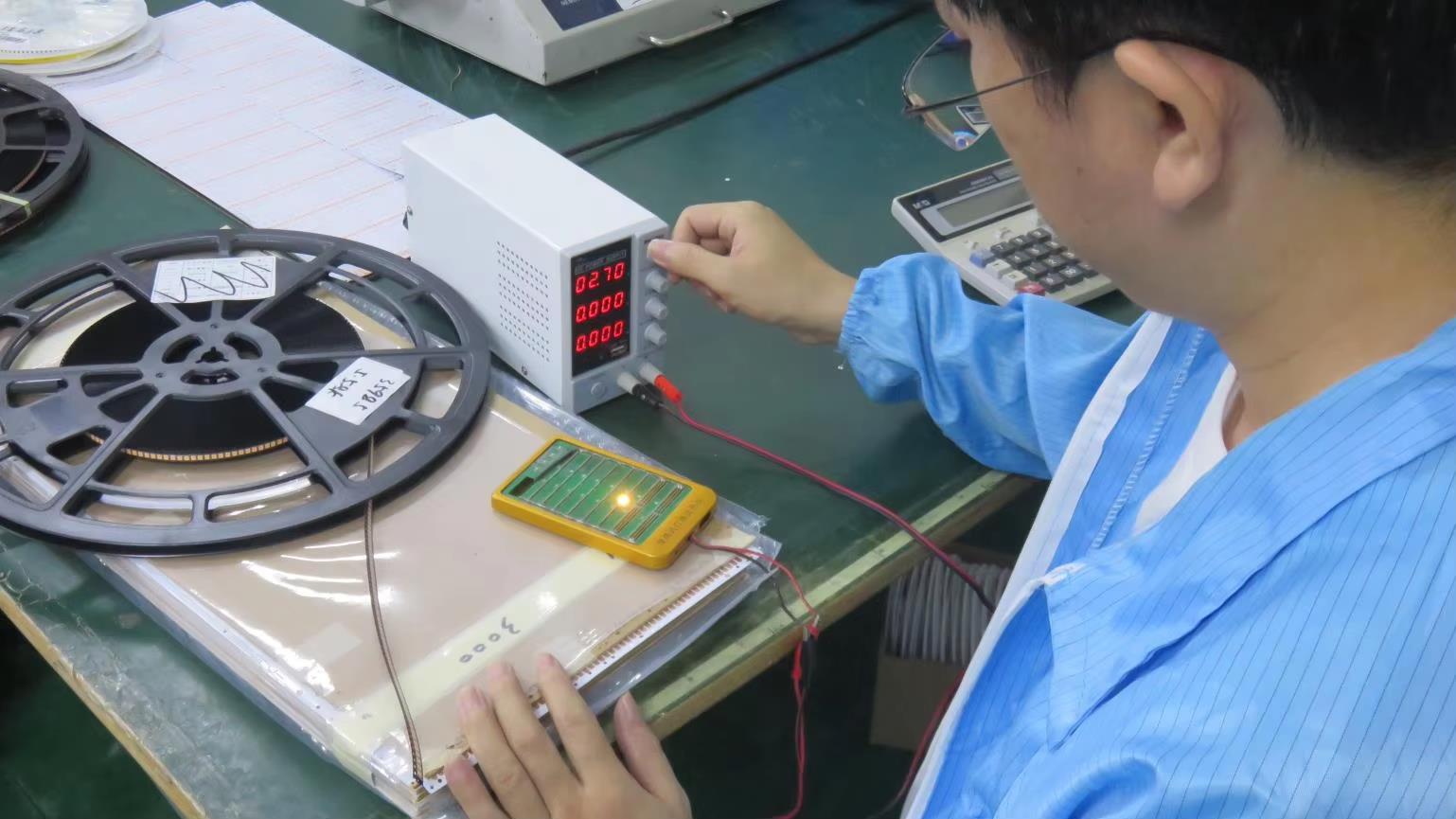
Every solar component and LED engine undergoes rigorous multi-stage quality control from semiconductor packaging to final automated testing.
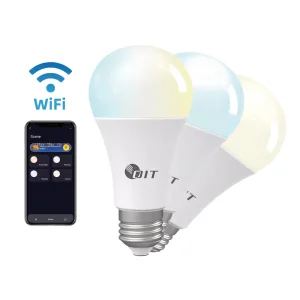
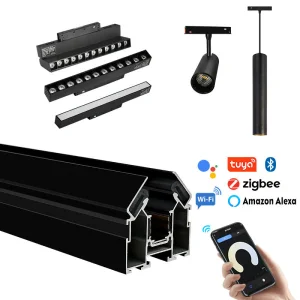
Modern municipal solar lighting mandates IoT integration. By embedding Tuya, Zigbee 3.0, and DMX512 communication protocols into integrated controllers, municipal operators gain real-time remote telemetry. Streetlights automatically adjust intensity based on traffic flow density, peak hours, and remaining battery state-of-charge (SoC), reducing overall energy waste by up to 40% while extending total operating life.
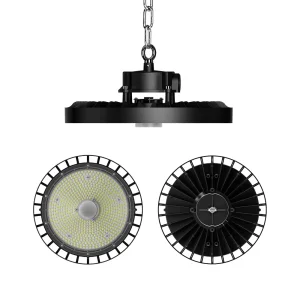
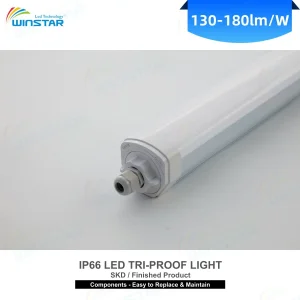
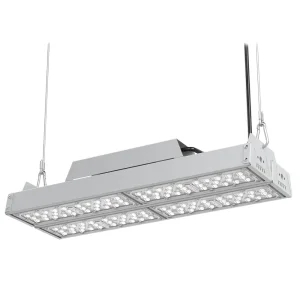
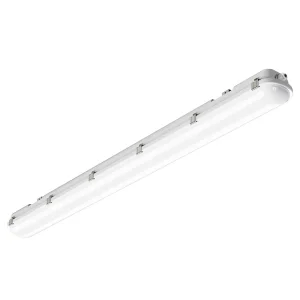
Commercial facilities require non-stop illumination. Our specialized linear tri-proof luminaires and high-wattage UFO high bays feature dual microwave radar sensors capable of detecting human and vehicular movement at distances up to 15 meters. During standby mode, fixtures operate at 20% baseline luminance, instantly ramping up to 100% full output upon trigger detection.
Transitioning from standard P-Type PERC cells to N-Type TOPCon and emerging Perovskite tandem panels pushed laboratory solar conversion efficiency past 28%. This allows smaller physical panel footprints to generate equivalent wattages in high-wind conditions.
Next-generation solid-state lithium batteries offer non-flammable operation, doubled energy density, and extended working temperature windows (-40°C to +75°C), resolving historic cold-weather capacity losses.
Machine-learning BMS microcontrollers analyze local historical weather patterns and adjust charging-discharging curves dynamically, guaranteeing zero-blackout performance even during unprecedented 10-day monsoon events.
Recognizing that cash flow optimization is critical for enterprise distributors and engineering buyers, Zhongshan Zentem Light Co., Ltd. offers industry-leading financial flexibility designed to minimize business risk and cross-border trade friction.
Supporting T/T, Balance before Bill of Lading (B/L), Irrevocable L/C at Sight, Open Account (O/A), and structured monthly statements for long-term strategic clients.
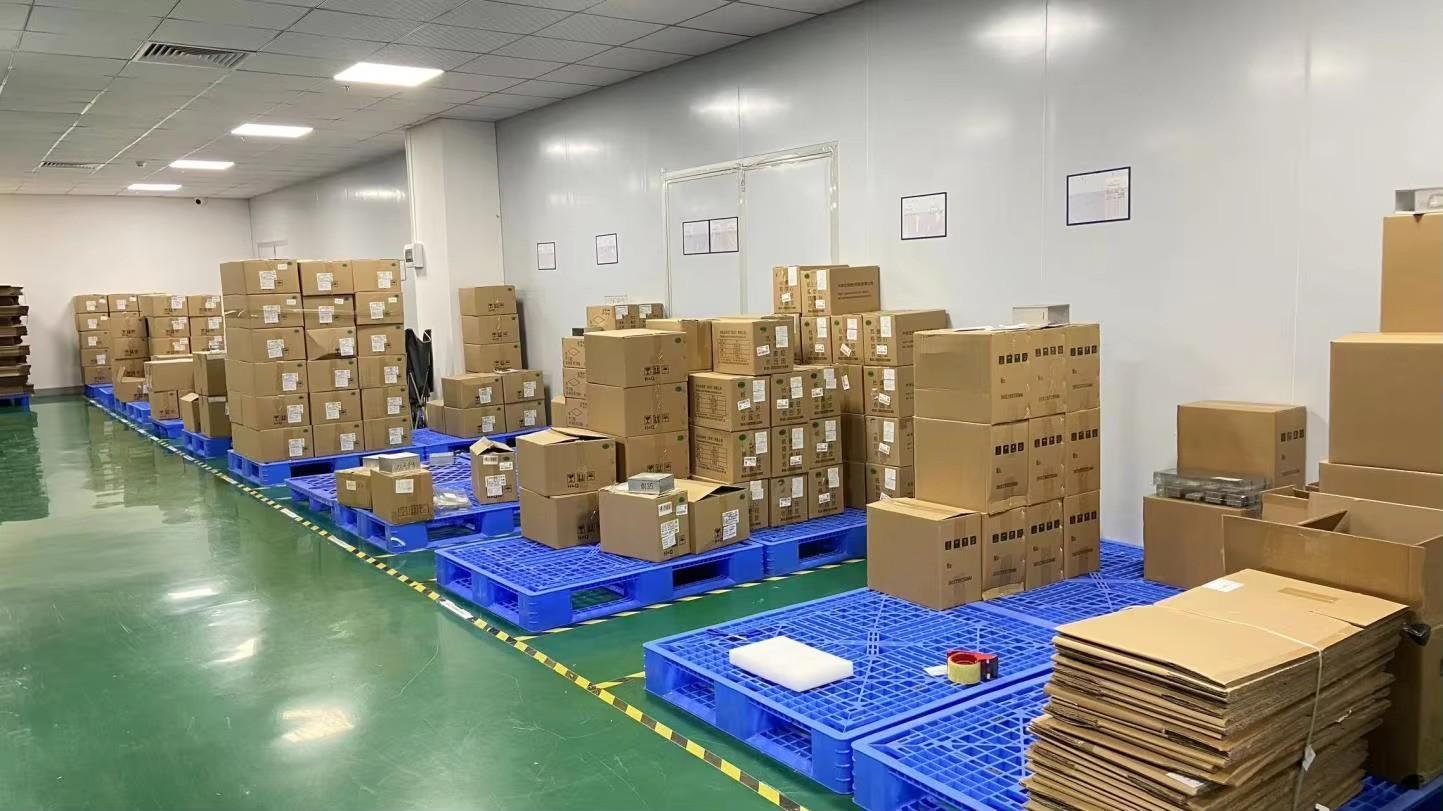
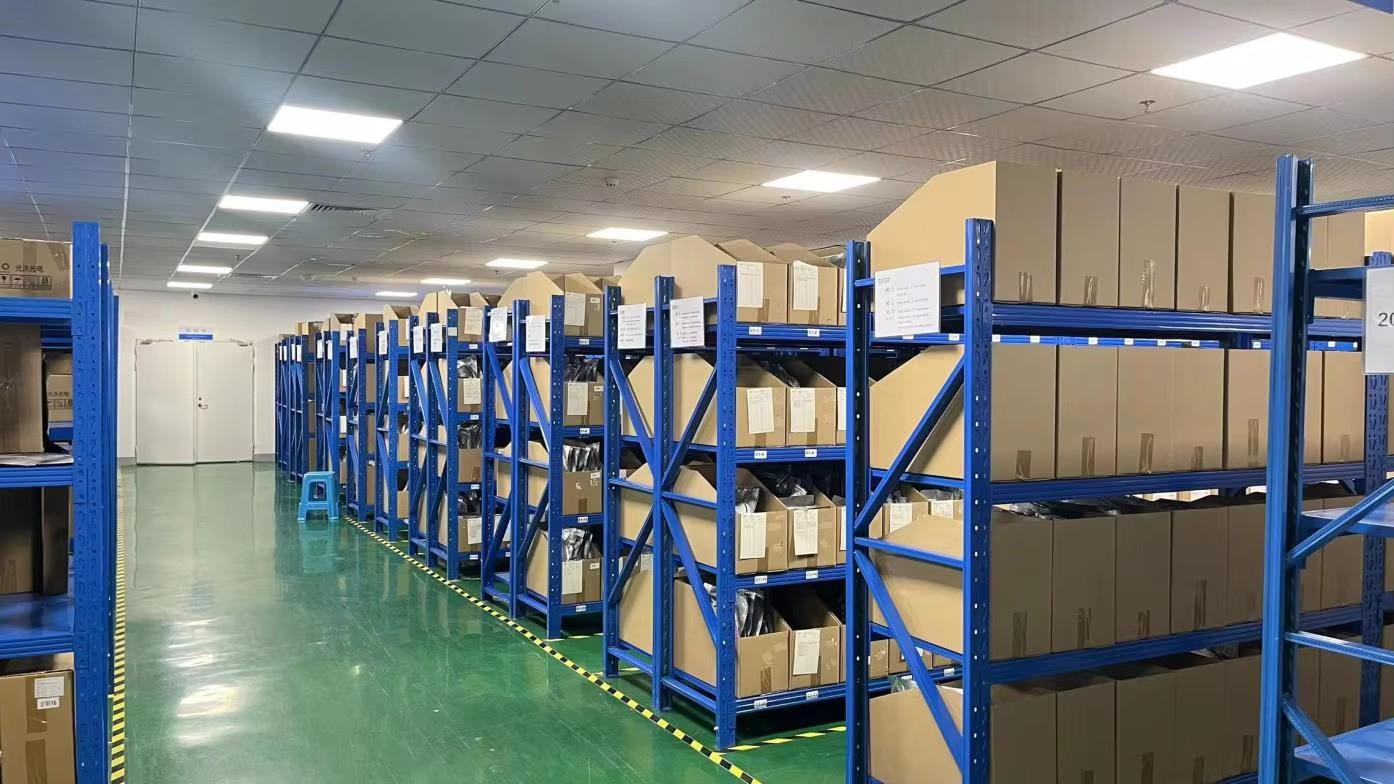
Extensive inventory storage facilities support rapid raw material buffer stocking, ensuring expedited delivery turnaround times within 7-14 days for standard contracts.
From lumen output calibration, CCT tuning, customized optical beam angles, to localized laser-etched branding and certified retail packaging.
We assist global partners in acquiring target-market certifications including SASO, SABER, BIS, INMETRO, UL, and localized CE declarations of conformity.
Targeted lighting solutions designed for industrial, agricultural, and specialized commercial implementations.