Understanding the IP65 waterproof rating is crucial for various products. Many brands boast this rating, but what does IP65 waterproof rating actually mean? It indicates protection against dust and water. Products with this rating are effectively sealed from dust and can withstand low-pressure water sprays from any direction.
This rating is part of a two-digit system. The first digit denotes solid object protection, while the second digit focuses on liquid ingress. For instance, the “6” in IP65 signifies complete dust tightness. The “5” means it can handle water sprays. However, this does not mean it’s fully submersible.
Consumers often overlook the distinctions. Many assume waterproof means durable in all conditions. This misconception can lead to disappointment. This article will explore the intricacies of the IP65 rating. We aim to shed light on its implications for your products. It’s important to understand these ratings to make informed choices.
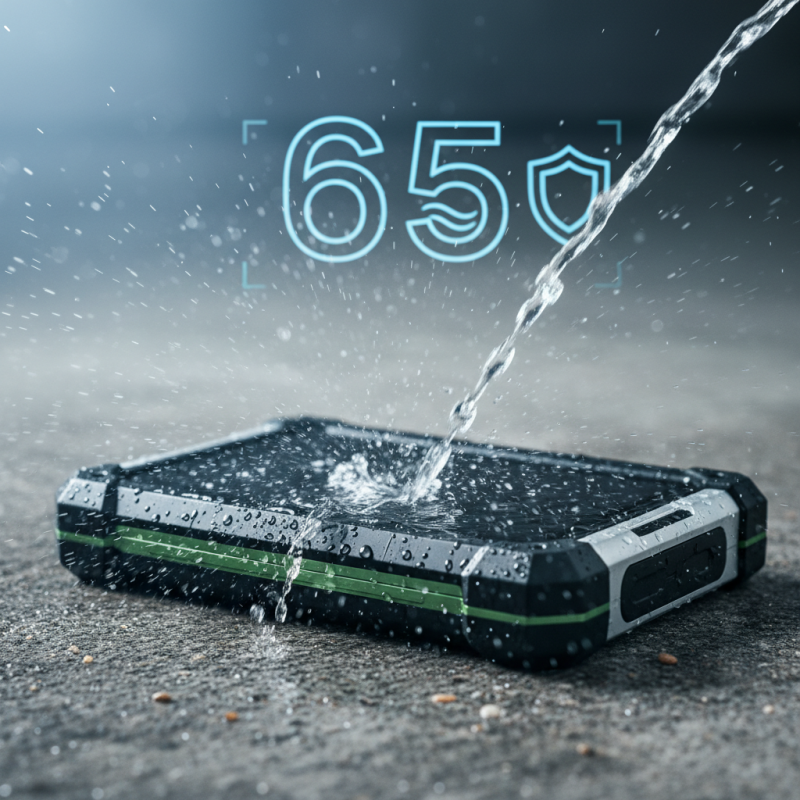
The IP Code, or Ingress Protection Code, classifies products based on their protection against dust and water. The first digit represents dust protection, while the second digit rates water resistance. An IP65 rating means a product is completely dust-tight and can withstand low-pressure water sprays from any direction. This level of protection is crucial for electronics used outdoors or in wet environments.
Understanding the IP Code can prevent costly damage to products. It helps consumers identify suitable devices for specific conditions. Many assume that all waterproof products are the same. However, the IP code reveals distinct differences in protection levels. A product with an IP67 rating offers more water resistance than an IP65 product. This distinction is important for users who may expose their devices to varying degrees of moisture.
Not all manufacturers emphasize these ratings clearly. Users sometimes overlook the IP Code, leading to potential failures. It is vital to educate oneself about these ratings before making purchases. A good practice is to verify the IP Code against actual usage scenarios. Users may need to consider their environment, including factors like humidity and exposure to water.
The IP65 rating is crucial for understanding water and dust protection. "IP" stands for Ingress Protection. The first digit, "6," indicates complete dust ingress protection. This means no dust can enter the housing. The second digit, "5," indicates that the product is protected against low-pressure water jets.
When a product is rated IP65, it's ideal for outdoor use. Devices need this rating in environments where moisture and debris are common. According to industry reports, about 83% of users prefer products with higher IP ratings. This indicates a clear demand for reliability. A good IP rating assures customers that they can trust the durability of their purchases.
Tips: Always check the IP rating before buying. Consider your usage environment. If you expect considerable exposure to moisture, a higher rating is better. Small devices may not need a high rating, but for larger equipment, it’s essential.
While the IP65 rating assures a certain level of protection, it doesn't guarantee complete waterproofing. Over time, seals can degrade. It’s wise to regularly inspect products for wear and tear. Doing so can prevent unexpected failures and save you from costly repairs.
| Component | Description | IP Code | Protection Level |
|---|---|---|---|
| First Digit (6) | Dust Tight | 6 | Completely protected against dust; no ingress of dust. |
| Second Digit (5) | Water Resistant | 5 | Protected against water jets from any angle. |
| Typical Applications | Outdoor Electronics | - | Used in environments where dust and moisture are present, such as street lighting and outdoor sensors. |
| Advantages | Durability | - | Increased lifespan and reliability of products in challenging environments. |
| Considerations | Installation Location | - | Ensure proper installation to maintain the integrity of the waterproof rating. |
The IP65 waterproof rating indicates that a product is dust-tight and can withstand low-pressure water jets from any direction. This level of protection is crucial for many consumer products, especially those used in outdoor settings. It assures users that they can rely on these devices even in challenging environments, such as rainy weather or humid conditions.
Products boasting an IP65 rating often enjoy a longer lifespan. Users are less likely to encounter issues related to water damage. This reliability can enhance customer satisfaction and promote brand loyalty. However, achieving IP65 certification involves rigorous testing. Manufacturers must ensure that their products are robust enough to meet these standards.
Despite these advantages, consumers should still exercise caution. While IP65-rated devices are more resilient, they're not invincible. Users need to understand the limitations of such ratings. For instance, prolonged submersion or exposure to high-pressure water may still cause damage. Awareness of these factors is essential for making informed choices. Thus, while IP65 products offer significant benefits, users must remain diligent in their usage and care.
The IP65 waterproof rating signifies that a product is dust-tight and can resist water jets. For designers, this rating shapes critical decisions. It emphasizes the necessity for robust sealing methods and durable materials. Designers must choose components that can endure wet environments while maintaining performance.
Testing procedures gain importance with the IP65 rating. Engineers must simulate rain and high-pressure jets during product evaluations. Such tests are complex. They require specialized equipment and detailed planning to replicate real-world conditions accurately. Design flaws might only emerge during testing, indicating the need for multiple iterations.
Balancing waterproof features with aesthetics can also be challenging. Some designs may look sleek but fail to meet IP65 standards. A product that doesn’t pass tests may face recalls or reputation damage. Therefore, every aspect of the design must cater to this rating without compromising functionality. This brings up a critical reflection point: Are we prioritizing style over substance? Compatibility between design and performance remains a persistent challenge within the industry.
When it comes to waterproof ratings, the IP code is crucial. The IP65 rating indicates a robust level of protection against dust and water. Specifically, it means complete dust tightness and protection from water jets. This makes IP65 products suitable for outdoor use, particularly in challenging weather conditions.
Comparing IP65 to other ratings sheds light on its significance. For example, IP54 offers moderate dust protection but limited water resistance. On the other hand, IP67 provides submersion protection, making it ideal for environments where products may be completely underwater. Understanding these differences is essential for choosing the right product for specific applications. One must reflect on the actual needs of their environment. Sometimes, an assumption about water exposure can lead to unexpected damages.
It's vital to reassess product choices frequently. Over time, the conditions in which a product operates can change. Factors like humidity and debris accumulation may affect performance. Therefore, having a deep understanding of waterproof ratings is not just useful—it's necessary for maintaining product reliability. Making informed decisions keeps products operational longer, saving time and resources in the long run.
This bar chart compares various waterproof ratings based on their protection levels against dust and water ingress. IP65 provides a solid level of protection, making it suitable for many outdoor and industrial applications.
: An IP65 rating means the product is dust-tight and can handle low-pressure water jets from any direction.
It ensures reliability in outdoor conditions, extending product lifespan and enhancing user satisfaction.
Yes, prolonged submersion or high-pressure exposure can still cause damage despite the ratings.
Designers use robust materials and sealing methods to ensure products meet waterproof standards without sacrificing performance.
They must accurately simulate rain and water jets, requiring specialized equipment and careful planning.
Yes, balancing waterproof features and aesthetics can be challenging; sometimes style may compromise functionality.
No, users should be aware that IP65-rated products are not invincible and have limitations.
A failed test may result in recalls or harm to a brand's reputation, stressing the need for thorough testing.
Designers must align style with performance, as a sleek design that fails to meet standards can lead to issues.
Understanding the limitations helps users avoid misuse and extends the life of their devices.
The article titled "What Does IP65 Waterproof Rating Mean for Your Products?" delves into the significance of the IP code, which is crucial for understanding waterproofing standards. It explains what the numbers and letters in the IP65 rating represent, particularly highlighting that the first digit indicates protection against solid objects like dust, while the second digit denotes resistance to water. The benefits of IP65 waterproofing are emphasized for consumer products, noting that such ratings can enhance reliability and safety for devices exposed to moisture.
Furthermore, the article discusses how the IP65 rating influences product design and testing procedures, encouraging manufacturers to consider these standards in their development processes. Finally, it compares the IP65 rating with other waterproof ratings, providing insights into what consumers should know when assessing product durability. In summary, the discussion centers on what does IP65 waterproof rating actually mean and its implications for product quality and consumer trust.
