Choosing a top LED bulb in 2026 involves more than comparing brightness, color temperature, and energy ratings. A bulb may look modern, feel well made, and still fail on a dimmer switch. That is why many homeowners search for “how to tell if an led bulb is dimmable” before changing their lighting.
The clearest answer usually appears on the bulb’s packaging, product page, or printed specifications. Look for “dimmable LED” rather than assuming every LED bulb supports dimming. Check the required dimmer type, minimum load, and compatible voltage. Some bulbs work with standard wall dimmers, while others need LED-rated controls. Compatibility matters.
Small details reveal problems.
In practical testing, turn the dimmer slowly from its lowest setting. Watch for flickering, buzzing, delayed starting, or sudden shutoff. A bulb that dims smoothly at full brightness may still behave poorly near the bottom range. I have found that two bulbs with identical wattage can perform differently on the same switch. That result is easy to overlook.
Temperature also deserves attention. An enclosed fixture can trap heat and shorten an LED bulb’s life, even when dimming works correctly. Always follow the manufacturer’s instructions and confirm the bulb’s approved use. Independent certifications and clear warranty information provide stronger evidence than attractive marketing claims. Still, labels are not perfect, and product revisions can create confusion. When performance seems uncertain, test one bulb before replacing every lamp in the room.
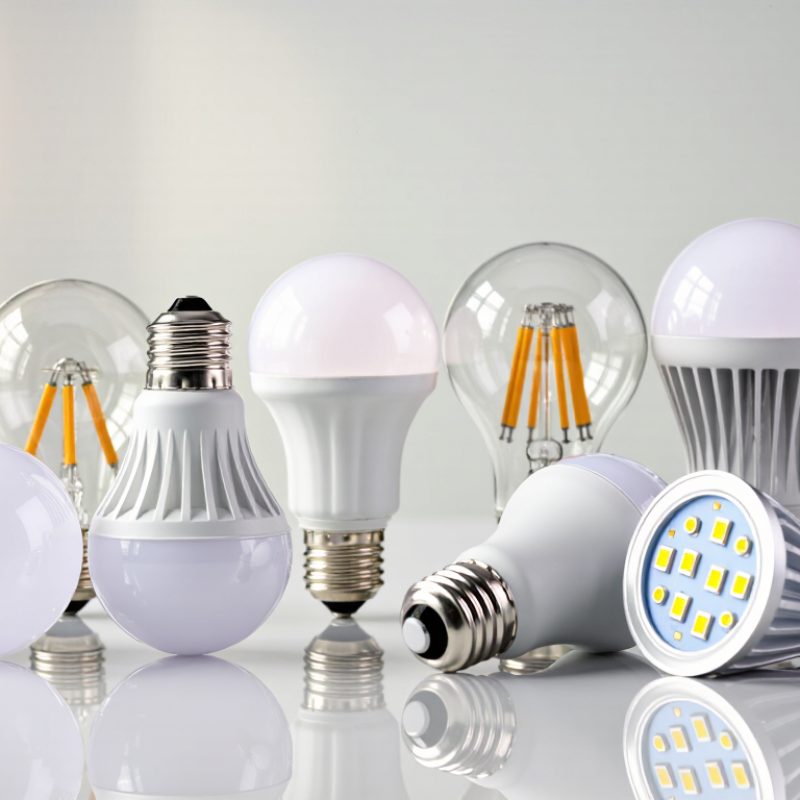
For an LED bulb, “dimmable” means it can safely change brightness when connected to a compatible dimmer. It does not mean every dimmer will work with it. The bulb’s internal driver must interpret the electrical signal correctly. Otherwise, the light may flicker, buzz, shut off, or respond unevenly.
In practice, check the bulb’s package or technical sheet for the word “dimmable.” Then confirm that your wall control is designed for LED lighting. Older dimmers may require a higher electrical load and can perform poorly with modern, low-wattage bulbs. I have seen a lamp appear stable at full brightness but pulse when lowered below 30 percent. That small detail matters in bedrooms and workspaces. Not every problem is obvious.
Install one bulb first and test several brightness levels. Watch for visible pulsing on a white wall, sudden jumps, or a faint electrical hum. A smooth change from bright light to a soft glow usually indicates better compatibility. If the bulb turns off at the lowest setting, the dimmer may need adjustment, or the pair may simply be unsuitable. I once assumed two dimmable products would work together automatically. That was a mistake. Compatibility lists and technical guidance are more reliable than the label alone, especially for fixtures containing multiple bulbs. When wiring, heat, or repeated flickering remains a concern, consult a qualified electrician.
How to Tell If an LED Bulb Is Dimmable?
Start with the bulb label. Look for the exact word “dimmable,” not vague terms such as “adjustable light.” Check the package for compatible dimmer types, voltage, wattage, and minimum load. The technical sheet may also list flicker, operating temperature, and recommended dimmer models. These details matter because a dimmable bulb can still flicker, buzz, or switch off unexpectedly with an incompatible dimmer. The U.S. Department of Energy reports that LED bulbs can use up to 75% less energy and last up to 25 times longer than incandescent bulbs. Efficiency alone does not guarantee smooth dimming.
Read the product specifications carefully. Confirm the bulb’s lumens, color temperature, base size, and dimming range. A specification showing “10–100% dimming” is more useful than a simple dimmable claim. Also check whether the bulb requires a neutral wire or a specific control system. Older dimmers may have a high minimum load, especially when controlling only one low-wattage LED bulb. That small detail is often missed.
Tips: Turn the dimmer slowly and listen near the fixture. Watch for visible pulsing at low brightness. Test one bulb before replacing every bulb in the room. Keep the package and specification sheet. Labels are helpful, but they are not perfect; compatibility can still vary between dimmer and bulb combinations.
| Check Item | What to Look For | What It Means | Practical Guidance |
|---|---|---|---|
| Bulb label | “Dimmable LED” or “Dimmable” | The bulb is designed to work with a compatible dimmer. | Use the exact wording on the bulb, package, or official product information. |
| Non-dimmable warning | “Non-dimmable,” “Do not use with dimmers,” or similar wording | The bulb should be operated only with a standard on/off switch. | Do not connect it to a dimmer unless the manufacturer specifically permits it. |
| Product specifications | A dedicated “Dimming” or “Dimmability” section | The specification should state whether dimming is supported and may list limitations. | Check the latest specification sheet rather than relying only on the product title. |
| Compatible dimmer list | A list of tested dimmer models or dimmer types | Compatibility can vary between LED bulbs and dimmers. | Use a listed compatible dimmer whenever possible, especially for multiple-bulb installations. |
| Dimmer technology | LED-rated, trailing-edge, or low-wattage-compatible dimmer information | Some older dimmers were designed for higher-wattage incandescent loads and may not control LEDs correctly. | Select a dimmer specifically rated for LED loads and follow its installation instructions. |
| Minimum load rating | A minimum wattage or load range in the dimmer specifications | A single low-wattage LED bulb may fall below the dimmer’s minimum load. | Compare the total wattage of all connected bulbs with the dimmer’s rated range. |
| Rated input | Voltage and frequency, such as 120 V, 60 Hz or 220–240 V, 50/60 Hz | The bulb must match the electrical supply for the installation. | Do not use a bulb outside its marked voltage range. |
| Dimming range | A stated range, such as 10–100%, or a note that the range depends on the dimmer | “Dimmable” does not always mean the light will smoothly reach zero brightness. | Expect the lowest stable brightness to vary by bulb, dimmer, wiring, and load. |
| Visible operating symptoms | Flickering, buzzing, flashing, delayed start, or a narrow adjustment range | The bulb and dimmer may be incompatible, incorrectly installed, or operating outside their rated conditions. | Turn off power and have the circuit checked by a qualified electrician if the problem continues. |
| Fixture and control type | Enclosed fixture, three-way socket, smart control, or electronic transformer | Some fixtures and control systems impose additional compatibility requirements. | Check both the bulb and fixture/control documentation before installation. |
| Best confirmation method | Label statement plus matching product and dimmer specifications | Using both sources provides stronger evidence than judging by appearance or wattage alone. | If the information is unclear, choose a clearly marked dimmable bulb or consult an electrical professional. |
2026 Top LED Bulbs: How to Tell If an LED Bulb Is Dimmable?
Check the bulb package for “dimmable,” but do not stop there. An LED bulb uses an electronic driver, and that driver must communicate correctly with the dimmer. A bulb designed for phase-cut control may work with leading-edge or trailing-edge dimmers, but compatibility varies. Some fixtures require electronic low-voltage, magnetic low-voltage, 0–10 V, or digital control systems instead. These systems are not interchangeable.
Load requirements matter just as much. Add the actual wattage of every connected bulb, then compare the total with the dimmer’s LED rating. Five 8-watt bulbs create a 40-watt load, not a traditional 200-watt equivalent load. The dimmer may also specify a minimum load. If the circuit falls below that level, bulbs can flicker, buzz, shut off, or fail to start. Sometimes, an approved bypass device is needed, especially with very small loads or smart controls. Follow the fixture and dimmer instructions carefully.
In practical testing, begin at the lowest setting and watch for pulsing light or delayed startup. A bulb can carry a dimmable label and still perform poorly with an older dimmer. I have seen stable lighting become noisy after mixing different bulb models. That result is easy to overlook. Check the dimmer’s compatibility list, confirm whether a neutral wire is required, and avoid mixing incompatible load types. When wiring details remain unclear, use a qualified electrician.
A dimmable LED bulb should change brightness smoothly, without visible flicker or sudden jumps. Turn the dimmer slowly from maximum to minimum in a quiet room. Watch the bulb directly, then look at a nearby wall. Uneven brightness often appears as dark bands or pulsing light.
Your eyes may miss fast flicker. Use a phone camera in slow-motion mode and record the bulb at several brightness levels. Moving bands across the screen can indicate flicker, although phone cameras are not perfect measuring tools. Try a second phone if the result seems unclear. I once blamed the bulb, but the camera created the stripes.
Listen closely near the fixture. A faint buzz may come from the dimmer, the bulb, or a loose connection. Switch off power before checking only accessible parts, and never open the bulb or wiring.
Test another compatible dimmer when possible. If the bulb buzzes, flickers, or stays uneven after replacement, stop using it and ask a qualified electrician to inspect the circuit. A label stating “dimmable” helps, but it does not guarantee smooth performance with every dimmer. Age, low-quality wiring, and very low brightness settings can also affect results.
Choosing the best dimmable LED bulb starts with the fixture, not the package. Check the fixture’s maximum wattage, socket type, and ventilation space. A bulb can be dimmable but still perform poorly in an incompatible fitting.
Look for clear “dimmable” labeling and confirm the bulb matches your dimmer. Older dimmers may require a minimum electrical load, while some LED bulbs need LED-compatible controls. Read the dimmer instructions carefully. Small details matter.
I have seen bulbs flicker when paired with outdated dimmers. It looked like a weak connection, but the control was the real problem. Test one bulb before replacing every lamp. Set the light to low, medium, and high levels. Watch for buzzing, sudden brightness changes, or delayed starting.
Warm-white bulbs around 2700K often suit bedrooms and living rooms. Neutral-white bulbs can work better in kitchens or work areas. Choose the brightness by lumens, not watts. A 60-watt replacement may use only a fraction of that energy.
Check the bulb’s shape and size against the shade. An oversized bulb may trap heat. Excess heat can shorten LED life. This is easy to overlook.
If the light still flickers after compatibility checks, stop using that combination. A qualified electrician can inspect the wiring and dimmer safely. The perfect bulb is not always the brightest one; it is the one that works smoothly with your fixture.
Check the package for the exact word “dimmable.”
No. Compatibility still matters.
Review lumens, color temperature, base size, and the stated dimming range.
Add the actual wattage of every connected bulb.
Older dimmers may require more electrical load than one LED bulb provides.
Install one bulb before replacing every bulb in the room.
Use slow-motion video at several brightness levels.
Test another compatible dimmer if possible.
Learning how to tell if an led bulb is dimmable starts with understanding what “dimmable” means: the bulb is designed to adjust its light output when connected to a compatible dimmer. Check the packaging, bulb label, and product specifications for clear dimmable wording, and confirm the bulb’s voltage, wattage range, and required dimmer type. A bulb marked dimmable may not work correctly with every dimmer, especially if the dimmer requires a minimum electrical load.
After installation, gradually adjust the dimmer and observe the bulb’s performance. Flickering, buzzing, delayed response, sudden shutoff, or uneven brightness may indicate an incompatible dimmer, an unsuitable load, or a poor connection. For the best results, choose a dimmable LED bulb that matches the fixture, wiring, dimmer technology, and intended brightness range. Careful checking before purchase and simple testing afterward can help create stable, comfortable lighting and prevent unnecessary replacements.
