In today's energy-conscious world, businesses seek effective ways to reduce costs. One solution that stands out is the use of commercial LED high bays. These efficient lighting options are designed for large spaces and can greatly lower energy consumption. But how much electricity do commercial LED high bays save?
Research indicates that these LEDs can save up to 70% of electricity compared to traditional lighting. This significant reduction not only cuts energy bills but also decreases environmental impact. Furthermore, LED high bays boast a longer lifespan, leading to fewer replacements and less waste.
However, implementing such technology requires careful consideration. The initial investment might deter some businesses. It's essential to assess long-term benefits against upfront costs. Not every lighting solution is suitable for every space; hence, understanding specific needs is crucial. Ultimately, the decision can lead to profound savings and sustainability.
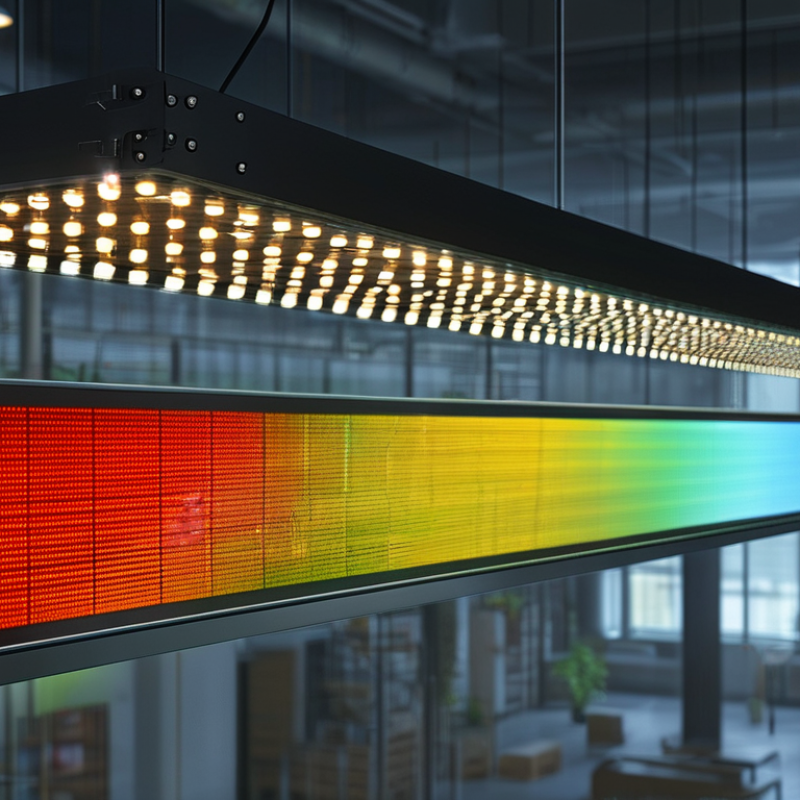
Switching to LED high bays can significantly reduce energy consumption in commercial spaces. These lights are designed to be more efficient than traditional options. For instance, LED high bays typically use up to 75% less energy compared to HID lighting. This drastic cut in electricity usage translates into lower utility bills, making LEDs a smart financial choice.
Moreover, LED high bays provide better quality light. They emit bright, even coverage that enhances visibility in large areas. This can improve productivity in workplaces, ensuring safety and comfort. Businesses often overlook the importance of good lighting. Poor lighting can lead to fatigue and decreased performance among employees.
Maintenance is another critical factor. LED high bays have a longer lifespan than conventional lights. This means fewer replacements and lower maintenance costs over time. However, the initial investment may be higher for LEDs. It requires careful budget consideration. Reflecting on both costs and savings is essential for a balanced decision. Converting to LED lighting is a step forward, but it’s vital to assess specific needs for optimal benefits.
LED lighting has rapidly gained traction in commercial spaces, primarily for its energy efficiency. According to the U.S. Department of Energy, LED high bay lights can save up to 50% of energy compared to traditional lighting solutions, such as metal halide lamps. This feature translates into substantial cost savings, especially in high-ceiling environments like warehouses.
Moreover, the lifespan of LED fixtures is significantly longer. While traditional bulbs may last around 15,000 hours, LEDs can operate for over 50,000 hours. This durability not only reduces frequent replacements but also lowers maintenance costs. However, some businesses may hesitate to switch due to the higher initial investment in LED technology. It’s crucial to consider the long-term savings that far outweigh the upfront costs.
Tip: When evaluating lighting solutions, calculate the total cost of ownership. Include energy expenses and maintenance in your analysis.
Another aspect is the quality of light provided by LEDs. They offer better color rendering and lumen output, enhancing visibility for workers. This improvement can lead to increased productivity. However, not all LED products are of equal quality. Buyers must ensure they select reliable options, considering potential trade-offs in performance.
Tip: Research and read reviews of various LED offerings. Prioritize vendors with proven track records and positive user experiences.
The shift to LED high bay lights has been transformative for many commercial spaces. Numerous case studies showcase significant electricity savings across various industries. For example, warehouses and manufacturing plants often reduce energy consumption by over 50%. This isn't just an estimate; real data backs it up.
In one case, a manufacturing facility updated its lighting system and reported an annual savings of $15,000. This reduction can lead to shorter payback periods for initial investments. However, not every facility experiences the same results. Some may find challenges in compatibility with existing systems. It’s essential to analyze specific needs carefully.
Industry data reveals that the average lifespan of LED high bays is about 50,000 hours. This long lifespan contributes to lower maintenance costs. Yet, decisions should not be made hastily. The switch might require diagnostic assessments or adjustments to fixtures. While the potential for savings is high, understanding unique circumstances remains crucial for success.
Investing in commercial LED high bays can lead to significant long-term financial benefits. Recent data suggests that businesses can reduce their lighting energy consumption by up to 75% with LED technology compared to traditional fixtures. This means a manufacturing facility previously using 1,000 watts could switch to a 250-watt LED high bay and save on power costs considerably.
Operational costs are closely tied to energy efficiency. The U.S. Department of Energy (DOE) estimates that the switch to LED lighting can result in savings of approximately $1 billion annually across commercial sectors. This savings comes from lower energy bills and reduced maintenance costs. LED high bays last longer, often exceeding 50,000 hours. This durability reduces the frequency and cost of replacements.
However, companies must consider initial installation expenses. The upfront investment for LEDs can be higher than traditional lighting. Yet, factoring in the energy savings, these lights pay for themselves over their lifespan. Organizations often underestimate the long-term value of energy-efficient products. A proper analysis could reveal hidden savings, enhancing a business's profit margins in the long run.
The transition to LED high bay lighting presents significant environmental benefits. By reducing overall energy consumption, these lights help lower greenhouse gas emissions. Switching to LED can cut energy use by up to 75% compared to traditional lighting. This transformation leads to a notable reduction in a business's carbon footprint. Every kilowatt-hour saved means fewer fossil fuels burned.
When considering your lighting options, it’s essential to think beyond immediate savings. The longer lifespan of LED fixtures translates to less frequent replacements, reducing waste. You’ll need to navigate initial installation costs, but the long-term savings are substantial. Evaluate performance and durability when choosing lighting.
**Tips**:
1. Conduct an energy audit to identify potential savings.
2. Seek out incentives for upgrading to energy-efficient lighting.
3. Monitor usage patterns to maximize efficiency.
Small adjustments can drive big changes. Embracing LED lighting isn’t just about cost savings; it’s choosing a responsible path for our environment. Every step you take contributes to a cleaner, sustainable future.
This chart illustrates the significant reduction in annual electricity consumption when switching from traditional lighting to LED high bays. The transition to LED technology not only saves electricity but also contributes to a lower carbon footprint, benefiting the environment.
: LED high bays can use up to 75% less energy than traditional lighting options.
LED high bays emit bright and even light, enhancing visibility. Improved lighting can boost productivity and comfort.
The average lifespan of LED high bays is about 50,000 hours, reducing maintenance costs significantly.
Yes, initial investments for LED high bays can be higher. Careful budgeting is essential before switching.
No, results can vary. Some facilities may face challenges with compatibility or have different energy needs.
Yes, due to their long lifespan, LED high bays require fewer replacements, leading to lower maintenance costs.
Businesses must analyze current systems and consider potential adjustments for optimal benefits from LED lighting.
The switch might require diagnostic assessments, which can be overlooked and lead to improper installation.
Yes, inadequate lighting can cause fatigue and reduce performance. Good lighting is crucial for employee well-being.
Understanding both upfront costs and long-term savings helps in making a balanced and informed decision.
Switching to commercial LED high bays presents significant advantages for businesses, primarily through energy efficiency. The article explores the benefits of these lighting solutions, emphasizing how much electricity do commercial LED high bays save compared to traditional lighting options. Studies indicate that LED high bays can consume significantly less energy, leading to remarkable electricity savings over time.
Moreover, the article highlights case studies and industry data that illustrate the long-term financial benefits associated with lower operational costs. By reducing energy consumption, businesses can not only cut down on their electricity bills but also contribute to a smaller carbon footprint, thus promoting environmental sustainability. The transition to LED high bays is a strategic move for companies looking to optimize energy use while ensuring cost-effectiveness and environmental responsibility.
