How to Choose the Right Color Temperature for Office Productivity?

Time:2026-06-13 Author:Oliver
0%

In today's fast-paced work environment, lighting plays a crucial role in enhancing productivity. Knowing how to choose color temperature for office productivity can significantly influence employee focus and comfort. Renowned lighting expert Dr. Sophie Lang emphasizes, "The right light not only illuminates but inspires." Her insights highlight the impact color temperature has on our work experience.

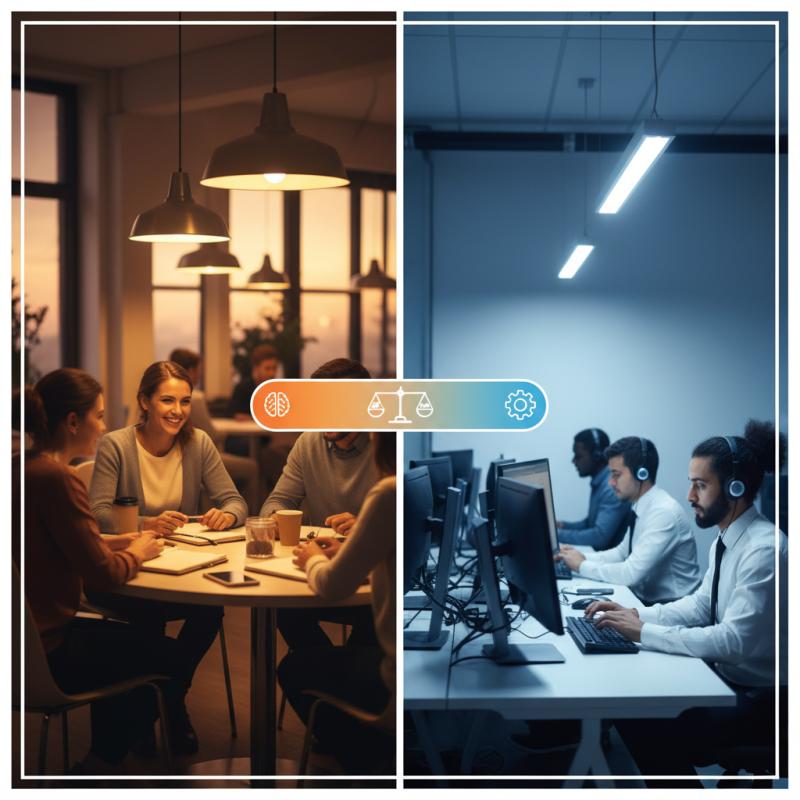
Selecting the ideal color temperature requires understanding its effects on human psychology. Warm light (below 3000K) creates a cozy atmosphere, ideal for collaboration. In contrast, cooler light (above 5000K) promotes alertness, making it suitable for tasks requiring concentration. However, the choice isn’t always clear-cut. Some employees might prefer warmer tones for creativity while others need the clarity of cool light for analytical tasks.

This complexity demands reflection on individual and team needs. It's essential to test different color temperatures to find the optimal mix. Office environments should encourage discussion about lighting preferences. This dialogue fosters a culture that values employee well-being, balancing the need for productivity with personal comfort. Understanding how to choose color temperature for office productivity isn't merely about efficiency; it's about creating a space that nurtures both performance and well-being.
How to Choose the Right Color Temperature for Office Productivity?

Understanding Color Temperature and Its Impact on Productivity

Choosing the right color temperature can significantly influence office productivity. Understanding color temperature involves recognizing how light can affect mood and performance. Cooler light, often in the blue spectrum, can enhance alertness and concentration. Warmer light, in contrast, can create a more relaxed atmosphere, which may be perfect for creative tasks.

Tips: Experiment with different light settings. A color temperature of around 5000K is ideal for tasks requiring focus. However, adjusting slightly to a warmer tone can ease tension during breaks. Be mindful of how these changes make you feel. Personal preference plays a crucial role in productivity, and some may find cooler lights too harsh.

It’s essential to consider the layout of your workspace. Natural light can greatly affect how color temperature is perceived. If office windows are limited, mimic natural daylight with appropriate lighting. Observe how your productivity shifts throughout the day. The right color temperature may enhance your focus or spark creativity, but it might take time to find your optimal setting.

Benefits of Different Color Temperatures for Office Environments

The choice of color temperature in office environments can significantly affect productivity levels. Research shows that cooler light, around 5000K to 6500K, tends to enhance alertness. This type of light mimics daylight, which can reduce eye strain and keep employees engaged.

A study by the Lighting Research Center found that workers exposed to bright, cool light completed tasks 11% faster than those in warmer settings.

On the other hand, warmer light, around 3000K to 4000K, creates a more relaxed atmosphere. This warmth can promote creativity and improve team collaboration. According to a report from the National Institute of Standards and Technology, teams in warmer light conditions experienced a 20% increase in brainstorming effectiveness. Therefore, the right balance between cool and warm light can be essential.

However, these findings are not universal. Personal preferences and job roles play vital roles in color temperature choice. Some workers may feel fatigued under harsh, cool light.

Flexibility is key; mixing various light sources might be necessary to cater to diverse needs within an office. Ultimately, investigating the specific effects on your workforce can lead to better choices.

Factors to Consider When Choosing Color Temperature for Workspaces

Color temperature plays a critical role in office productivity. The right color temperature can influence mood, concentration, and overall work performance. Commonly measured in Kelvin (K), color temperatures range from warm (2700K) to cool (6500K). Understanding how these different temperatures affect workers is essential for creating an effective workspace.

When selecting color temperature, consider the nature of the tasks performed. Cooler temperatures, around 5000K to 6500K, promote alertness and are ideal for tasks that require focus and detail. In contrast, warm temperatures, around 2700K to 3000K, create a relaxed atmosphere, suitable for meetings or collaborative work. It’s also important to consider the amount of natural light available. Insufficient daylight may require you to lean towards cooler artificial lighting to compensate.

Employee preferences should not be overlooked. Individual differences in perception and sensitivity to light can impact comfort levels. Conducting surveys or small tests can provide valuable insights. Monitoring productivity changes in response to different color temperatures can lead to gradual refinements. Regular reassessment ensures that the workspace evolves with the team's needs. Lighting is not a one-size-fits-all solution; it requires ongoing adjustments for optimal results.

Best Practices for Implementing Color Temperature in Office Design

Color temperature significantly influences office productivity. Implementing the right temperature can enhance focus and well-being. According to a report by the Lighting Research Center, a color temperature of about 4000K to 5000K boosts alertness and cognitive performance. This range mimics natural daylight, which is essential for maintaining energy levels throughout the day.

To effectively integrate color temperature into office design, consider adjusting lighting based on tasks. For spaces meant for collaboration, 3500K to 4100K is recommended. This range encourages interaction and creativity. Conversely, areas meant for focused work should be brighter, around 5000K. Highlighting these zones helps employees adapt to their specific tasks.

Tips: Use dimmable LED lights to easily adjust the color temperature. This flexibility allows employees to find their perfect balance. Additionally, invest in smart lighting systems that automatically adjust according to time of day. Regularly seek feedback from staff about their lighting preferences. Reflect on how these changes impact productivity and comfort levels. Small adjustments can lead to significant improvements in workplace satisfaction.

Office Color Temperature and Productivity Levels

Adjusting Color Temperature for Various Tasks and Times of Day

Choosing the right color temperature can greatly impact your productivity in the office. During the day, cooler light (above 5000K) enhances alertness. This bright light mimics daylight, helping you stay focused on complex tasks. For creative projects, a balanced tone around 4000K encourages brainstorming while maintaining clarity.

As evening approaches, warmer light (below 3000K) becomes important. Soft, warm light promotes relaxation. It prepares your mind for unwinding after a busy day. You might find that as light shifts, your energy and focus change too. Pay attention to your body’s cues.

Experiment with different temperatures for various tasks. Observing how your productivity ebbs and flows can help you find what works best. You might feel more productive with bright, cool light in the morning, and warmer tones in the late afternoon. Adjusting your workplace lighting can lead to significant gains in efficiency and mood.

FAQS

: What is color temperature?

: Color temperature refers to the warmth or coolness of light. It affects mood and productivity.

How does cooler light affect productivity?

Cooler light enhances alertness and concentration, making it suitable for focused tasks.

What is the ideal color temperature for focus?

A color temperature around 5000K is ideal for tasks requiring high concentration and focus.

Can warmer light be beneficial?

Yes, warmer light can create a relaxed atmosphere, aiding creativity during breaks or brainstorming.

How can I adjust lighting in my workspace?

Use dimmable LED lights to easily change the color temperature as needed throughout the day.

How important is natural light in an office?

Natural light greatly influences how color temperature is perceived and can enhance productivity.

What range is best for collaboration spaces?

A color temperature between 3500K and 4100K is recommended for areas intended for collaboration and creativity.

Should I seek feedback from staff about lighting?

Yes, regular feedback can help you understand preferences and improve overall workplace satisfaction.

How can small adjustments impact productivity?

Minor changes in color temperature can significantly enhance comfort and satisfaction in the workplace.

What if I find cooler lights too harsh?

Personal preference varies, so it’s important to experiment with different settings to find what works best for you.

Conclusion

When considering how to choose color temperature for office productivity, it’s essential to understand the impact of different color temperatures on employee performance and well-being. Warmer tones, typically around 2700K to 3000K, can create a cozy atmosphere conducive to relaxation, while cooler tones, ranging from 4000K to 6000K, often promote alertness and improve focus during tasks requiring deep concentration.

When choosing the right color temperature, several factors must be considered, including the nature of the work performed, the time of day, and the existing lighting in the workspace. Best practices suggest implementing adjustable lighting to tailor the environment based on tasks or transitions throughout the day. By strategically applying these insights, office spaces can enhance productivity and overall employee satisfaction.

Oliver

Oliver

Oliver is a seasoned marketing professional with a wealth of expertise in driving brand awareness and engagement. With a deep understanding of our company's product offerings, he consistently delivers high-quality content that enriches our professional blog. His insights not only shed light on......