Choosing the right lumens for your outdoor lighting is a critical decision. It impacts safety, ambiance, and energy efficiency. According to lighting expert John Smith, "The correct lumens can transform your outdoor space into a welcoming haven." Understanding lumens helps you select fixtures that match your needs.
Outdoor lighting should be bright enough to illuminate pathways but not so bright that it creates glare. Too much light can hurt the atmosphere of your garden or patio. The balance is key. Experts suggest considering the purpose of each area. For example, a reading nook might need soft light, while a driveway requires brighter illumination for safety.
Reflect on how you use your outdoor space. You may find that certain areas need more light than you initially thought. Experiment with different lumens to create the perfect balance. Lighting can either enhance or detract from your home’s charm. Aim for a thoughtful approach when deciding how to choose the right lumens for outdoor lighting.
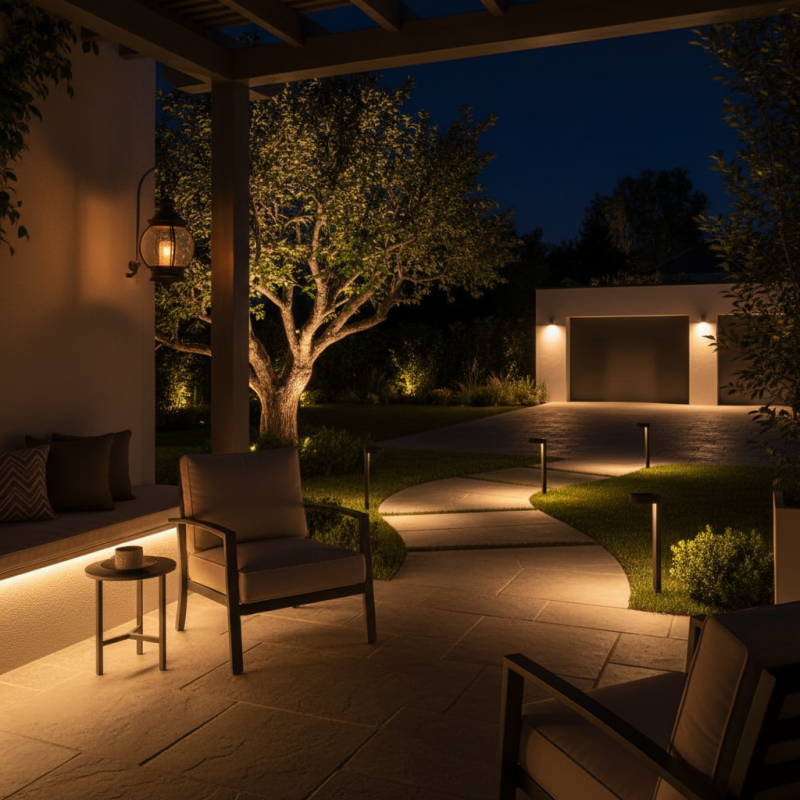
Understanding Lumens and Their Role in Outdoor Lighting
When selecting outdoor lighting, understanding lumens is crucial. Lumens measure brightness and impact the ambiance and safety of outdoor spaces. A well-lit environment enhances visibility and ensures safety, especially at night. According to the Illuminating Engineering Society, the recommended lumens for general outdoor spaces range from 100 to 300 lumens per fixture.
Choosing the right lumens can be challenging. Overly bright lights can create harsh shadows and glare. Conversely, too few lumens leave areas dim and unsafe. It's important to consider the specific needs of your space. For pathways, around 100 lumens per fixture is often sufficient. Meanwhile, for security lighting, aim for at least 700 lumens.
Tip: Always test your chosen lighting in different conditions. Observe how it looks during different times of the evening. This helps to adjust brightness effectively. Another tip: combine various lumens across fixtures for layered lighting. This not only improves functionality but also enhances the aesthetic appeal of your outdoor area. Remember, balance is key.
Factors to Consider When Choosing Lumens for Different Areas
Choosing the right lumens for outdoor lighting requires careful consideration of various factors. The brightness level needed typically varies based on the area's purpose. For general areas, such as patios or walkways, around 100 to 200 lumens per square foot is advisable. However, for security purposes, brighter lighting of about 700 lumens is often necessary. This helps deter unwanted activity and provides peace of mind.
When illuminating pathways, opt for softer lighting of around 50 to 100 lumens. This not only ensures safety but also creates an inviting atmosphere. Additionally, consider using lighting with lower lumens for gardens and landscaping—typically around 40 to 80 lumens per fixture—to enhance visual appeal without overwhelming the space. According to the Lighting Research Center, an optimal balance of lumens significantly influences the usability and aesthetic of outdoor environments.
Tips: Use dimmer switches where possible. They allow flexibility in brightness. Experiment with different lumens to see what feels comfortable. Ensure consistency in lighting style for coherence. A common mistake is underestimating the need for higher lumens in crowded areas. Reflect on the specific requirements of each environment to achieve the best outcome.
Choosing the Right Lumens for Outdoor Lighting
This chart illustrates the recommended lumens for different outdoor areas to help you choose the right lighting for your needs.
Comparing Lumens: Pathways, Patios, and Security Lighting Needs
Choosing the right lumens for outdoor lighting involves understanding specific needs. For pathways, aim for around 100 to 200 lumens per fixture. This brightness helps ensure safety while walking at night. It’s essential to spread lights evenly for the best visibility, avoiding harsh contrasts.
Patios require more versatile lighting. A range of 200 to 600 lumens works well. Consider the activities you'll perform there. Softer lighting may create ambiance for relaxation, while brighter lights can enhance gatherings with friends. Finding balance is key; too much brightness can be overwhelming.
Security lighting needs often exceed 700 lumens. Bright lights deter intruders effectively. Proper placement is critical. Avoid dark corners but don't overlook areas that might confuse perception. Reflect on what feels right for safety without creating a fortress. Each space has unique demands, so adjust as necessary for comfort and security.
Finding the Right Balance: Brightness vs. Energy Efficiency
Outdoor lighting plays a crucial role in enhancing safety and aesthetics. Finding the right balance between brightness and energy efficiency is essential. Bright lights can illuminate your space but often consume more power. Using LED lights may seem like a straightforward solution. They use less energy and last longer. However, many people overlook the lumen output.
Lumen measures light brightness. Not all outdoor spaces require the same level of brightness. A cozy garden area may need fewer lumens than a driveway. Too much brightness can create harsh shadows. This can lead to safety concerns instead of solving them. It’s crucial to assess the specific needs of your area. Consider the activities and the ambiance you wish to create.
Energy efficiency is not just about less power usage. It’s also about effective lighting design. Combining different light sources might help achieve that perfect glow. Use pathway lights for safety and accent lights for beauty. Mixing high and low lumen outputs can create a balanced environment. Reflect on your choices to ensure you are not overdoing it. This approach can lead to a more sustainable lighting solution.
Adjusting Lumens with Fixtures and Dimmers for Outdoor Spaces
When it comes to outdoor lighting, adjusting lumens can significantly change the ambiance. Lumens measure the brightness emitted by fixtures. Choosing the right amount can enhance safety and aesthetics. For a cozy outdoor gathering, softer lighting is more inviting. Consider using dimmers to achieve this effect easily.
Fixtures play a crucial role in controlling lumens. Wall sconces, for instance, can create soft pools of light. They can illuminate pathways or highlight plants. Adjustable fixtures offer flexibility. You can focus lighting on specific areas, like seating arrangements or art pieces. Sometimes, if the light feels too harsh, it can create an unwelcoming atmosphere.
Experimenting with different lumen levels helps refine your outdoor space. Don’t hesitate to try various combinations. Maybe the path lights shine too brightly, causing glare. Reducing lumens can make walking easier and safer. Ultimately, balancing brightness and ambiance is key, and it may take time to find what works best for you.
How to Choose the Right Lumens for Your Outdoor Lighting?
| Lighting Area |
Recommended Lumens |
Fixture Type |
Dimming Options |
| Pathways |
100 - 200 lumens |
Post Lights |
Compatible with LED Dimmers |
| Patios |
300 - 600 lumens |
Wall Sconces |
Standard Dimmer |
| Decks |
200 - 400 lumens |
Step Lights |
Smart Dimming Solutions |
| Gardens |
150 - 300 lumens |
Spotlights |
Low Voltage Dimmers |
| Entrances |
200 - 500 lumens |
Flood Lights |
Remote Controlled Dimmers |
Conclusion
Choosing the right lumens for outdoor lighting is essential for creating a safe and inviting atmosphere in your outdoor spaces. Understanding lumens and their role is the first step; lumens measure the brightness of light, making it crucial to select the appropriate amount for different areas. Factors such as the purpose of the lighting—whether for pathways, patios, or security—must be considered to ensure optimal visibility and aesthetic appeal.
Additionally, finding the right balance between brightness and energy efficiency is important. Adjusting lumens can also be achieved through various fixtures and dimmers, allowing for versatility in different situations. By following these guidelines, you can effectively learn how to choose the right lumens for outdoor lighting to enhance your home's exterior while maintaining energy-conscious practices.

