How to Calculate LED Driver Wattage Requirements for Your Needs?

Time:2026-06-01 Author:Isabella
0%

When it comes to lighting solutions, understanding your LED driver wattage requirements is crucial. Knowing how to calculate LED driver wattage requirements ensures your lighting system operates efficiently. An underpowered driver can lead to flickering or inadequate brightness. Conversely, an oversized driver may waste energy and increase costs.

The calculation process involves several key factors. You need to consider the total wattage of all LEDs connected to the driver. Additionally, you should account for factors like voltage and current specifications. Choosing the right driver enhances not only performance but also longevity.

If you’ve ever faced flickering lights or inconsistent brightness, you know the frustration. Many people overlook these calculations, believing any driver will suffice. However, incorrect choices can compromise your lighting setup. By paying attention to these details, you ensure a reliable and effective system tailored to your needs.
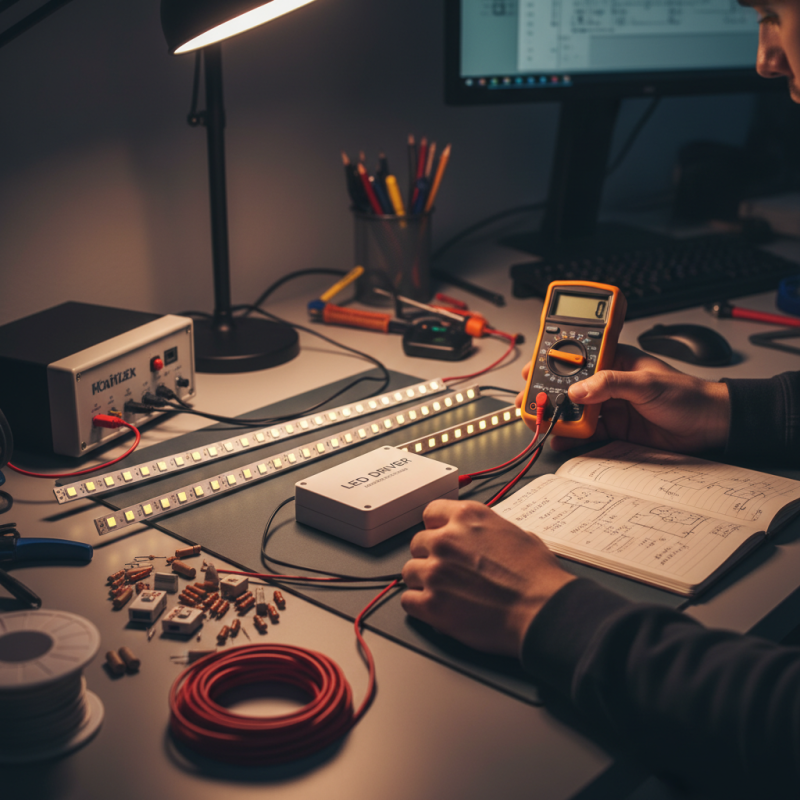
How to Calculate LED Driver Wattage Requirements for Your Needs?

Understanding LED Drivers and Their Functionality

Understanding LED drivers is essential for effective lighting solutions. LED drivers regulate the power to LEDs, ensuring they function correctly. They convert the electrical current from the power source into a steady, safe voltage for the lights. This functionality prevents damage to LEDs from excessive current. Without a proper driver, your lights may flicker, or worse, burn out quickly.

When calculating wattage requirements, consider your total number of LEDs and their individual wattage ratings. This calculation helps you select the right driver size. Remember that a driver’s output should exceed the total demand slightly. Underestimating can lead to inefficient performance.

**Tips:** Always account for possible future expansions. If you plan to add more LEDs later, choose a driver that can accommodate these changes. Avoid overloading the driver; this can shorten its lifespan. Regularly inspect the driver for any signs of overheating or failure. Small adjustments today can lead to better performance tomorrow.

Identifying Your LED Load Requirements

When determining your LED load requirements, understanding the total wattage of your LED fixtures is crucial. Start by calculating the wattage of each individual LED bulb or strip. This will give you a clear idea of how much power each component consumes. For instance, if you have ten bulbs, each rated at 5 watts, your total load would be 50 watts.

Next, consider how these fixtures will be used. Will they be dimming or run at full brightness? Dimming can alter the power requirement, often allowing a reduction in wattage. It’s advisable to add an additional 20% to your total load. This buffer accounts for any unforeseen fluctuations in power usage.

Pay attention to the manufacturer's specifications to ensure compatibility. Each LED fixture may have different requirements and tolerances. This includes factors like voltage and current ratings. Not every setup will be straightforward. Some users overlook these critical details and face issues later. Planning is essential, but some trial and error may still be necessary.

Calculating Total Wattage for LED Applications

When calculating total wattage for LED applications, it’s essential to consider several factors. Start by determining the number of LED units you plan to use. Each LED typically comes with specific wattage ratings. Multiply the total number of LEDs by the wattage of one unit. This gives you the base wattage requirement.

Next, think about power supply efficiency. Not all drivers convert power perfectly. Usually, an efficiency range of 80-90% is standard. If your total calculated wattage is 100 watts, ensure you have a driver rated above this figure to account for inefficiencies. A 125 to 150-watt driver might be ideal.

Don’t forget about future expansion. You might want to add more LEDs later. Always factor in a buffer of at least 20% on top of your calculated needs. This provides flexibility and avoids potential overload situations. Accurate calculations promote safety and performance in LED lighting systems.

Selecting the Right LED Driver Based on Wattage

Selecting the right LED driver is crucial for your lighting system. Wattage determines how much power your LED lights will use. An underpowered driver may fail to illuminate your lights adequately. Overloading a driver can lead to overheating and reduced lifespan. It’s essential to balance these factors for optimal performance.


Understanding your light fixtures' total wattage needs is the first step. List each fixture and its wattage requirements. Summing these values gives you a clear target. Look for drivers that exceed this total by a safe margin, ideally 10-20%. This buffer ensures the driver operates efficiently without stress.


Consider the voltage compatibility as well. LED drivers come in various voltage ratings. Ensure your driver matches the requirements of your LED fixtures. Sometimes, it can feel overwhelming to calculate these specifications. Seek guidance from experts or technical resources to support your decision-making. Ignoring these details could lead to purchasing an unsuitable driver. Taking the time to evaluate your options leads to long-term success in your lighting projects.

Factors Influencing LED Driver Efficiency and Sizing

When choosing an LED driver, several factors impact its efficiency and sizing. Understanding these factors helps optimize performance and energy usage. The input voltage range is crucial. A driver needs to match the voltage specifications of your LED setup. Mismatching can lead to inefficiencies or even damage.

Another significant aspect is the output current. LED drivers regulate current levels for optimal performance. Too much current can shorten the lifespan of your LEDs. Conversely, too little can result in dim lighting. Heat management also plays a vital role. Excess heat can reduce efficiency and driver lifespan. Adequate cooling must be considered in your design.

Finally, the power factor should not be overlooked. A driver with a low power factor can increase energy costs and reduce overall efficiency. It’s essential to evaluate these elements carefully. Each factor influences the sizing and efficiency of your driver. Understanding them can prevent future complications in your LED lighting project.

FAQS

: What is the function of an LED driver?

: An LED driver regulates power to LEDs. It ensures lights function correctly and prevents damage.

How do I calculate the total wattage needed for LEDs?

Start by determining the number of LEDs. Multiply that by each unit's wattage rating for the base requirement.

Why is it important to consider power supply efficiency?

Drivers don't convert power perfectly. Efficiency usually ranges from 80-90%, affecting overall performance.

How can future expansions affect driver selection?

If you plan to add more LEDs, choose a driver that can handle the increased demand to avoid issues.

What happens if I underestimate wattage requirements?

Underestimating can lead to inefficient performance. Your lights might flicker or burn out prematurely.

What should I do if my driver shows signs of overheating?

Regular inspections are essential. If overheating occurs, consider replacing the driver to ensure safety.

How much buffer should I add to my wattage calculations?

It's advisable to add a buffer of at least 20%. This helps accommodate any future changes or expansions.

Can overloading the driver cause problems?

Yes, it can shorten the driver’s lifespan. Overloading poses risks to both the driver and the LED lights.

How can small adjustments benefit performance?

Making small changes can lead to better efficiency. These adjustments are often worth the time invested.

Is it common for drivers to have inefficiencies?

Yes, most LED drivers have inefficiencies. It’s crucial to choose a driver with a higher rating than your calculated needs.

Conclusion

When considering how to calculate LED driver wattage requirements, it is essential to first understand the role of LED drivers and their functionality in powering LED systems. LED drivers regulate the current and voltage supplied to LEDs, ensuring optimal performance and longevity. Identifying your specific LED load requirements is crucial; this involves assessing the total number of LED fixtures and their individual wattage ratings.

To accurately calculate total wattage for LED applications, sum the wattage of all connected LEDs and factor in any additional overhead for efficiency losses or future expansions. Selecting the right LED driver involves matching the calculated wattage to the driver’s specifications while considering factors influencing efficiency and sizing, such as ambient temperature and driver design. Understanding these elements ensures that your lighting installation runs smoothly and effectively, maximizing energy efficiency.

Isabella

Isabella

Isabella is a dedicated marketing professional with a sharp focus on driving brand growth and engagement through strategic content creation. With an extensive background in digital marketing, she combines her passion for storytelling with her keen understanding of industry trends to deliver......