How to Bypass a Ballast for LED T8 Tubes Easily?

Time:2026-06-30 Author:Mason
0%

When considering how to bypass a ballast for LED T8 tubes, it’s vital to understand safety and effectiveness. Renowned lighting expert, Dr. Lisa Matthews, emphasizes, “Properly bypassing a ballast can enhance energy efficiency and extend the lifespan of your LED tubes.” This statement highlights the importance of a correct approach.

Many people seek ways to retrofit their existing fluorescent fixtures. Bypassing the ballast allows for direct wiring, improving performance. However, the process can be daunting for DIY enthusiasts. A lack of knowledge may lead to installation errors or electrical hazards.

Understanding the wiring configurations is crucial. Mistakes can lead to malfunctioning tubes or even safety risks. Therefore, it’s advisable to consult reliable guides or professionals. While the task can be completed with care, knowing where to turn for help can ensure a smoother experience.
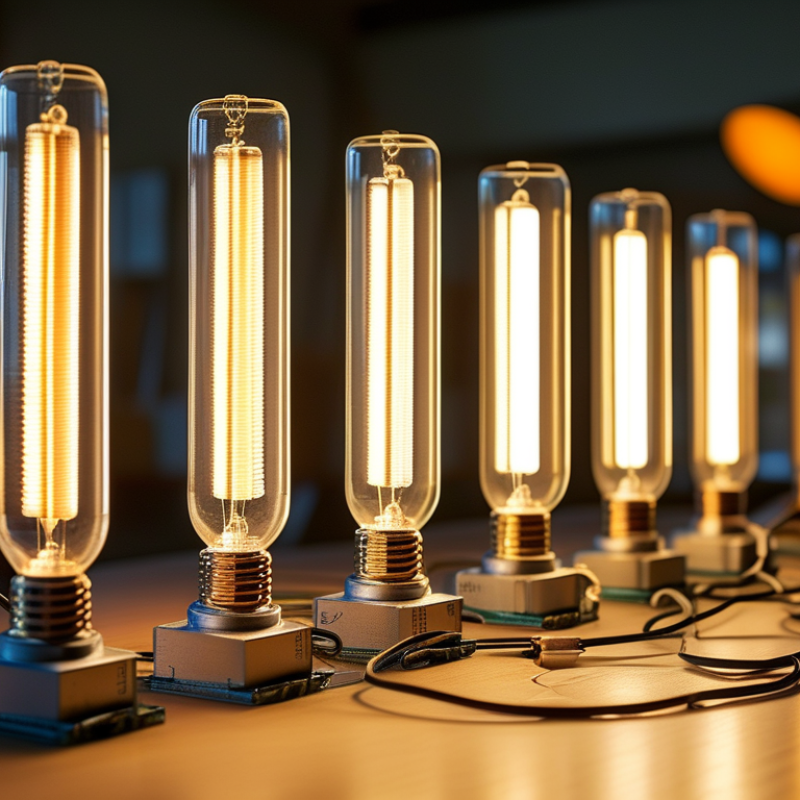
How to Bypass a Ballast for LED T8 Tubes Easily?

Understanding the Purpose and Function of a Ballast in Lighting

A ballast plays a critical role in traditional fluorescent lighting systems. Its primary function is to regulate the current flowing through the lamp. This regulation is essential for the lamp's proper operation. Without a ballast, fluorescent tubes could draw too much current, leading to flickering or even damage.

For many, understanding how a ballast works can be somewhat technical. Ballasts create the necessary starting voltage for the lamp, allowing the gas inside to ignite. Once lit, the ballast then limits the current to maintain stability during operation. This device ensures that the lamp shines brightly and consistently. However, when converting to LED T8 tubes, the ballast may become obsolete, which raises questions about its removal or bypass.

Bypassing a ballast can simplify the lighting setup for LED solutions. However, caution is necessary to ensure safety and compatibility. Some may find it challenging to adapt to these changes. Incorrect bypassing could lead to flickering lights or electrical hazards. A deeper understanding of electrical systems can aid in making this transition smoother. It’s essential to verify the wiring and connections before proceeding with any modifications.

Identifying Types of LED T8 Tubes and Their Compatibility

When exploring LED T8 tubes, it’s crucial to understand their compatibility. LED T8 tubes are often designed to operate with or without ballasts. Different types exist: direct-wire, plug-and-play, and hybrid. Each type requires specific installed setups. Knowing this can help avoid compatibility issues during installation.

Direct-wire LED T8 tubes do not use ballasts. Instead, they connect straight to the power source. While this method is efficient, it requires some rewiring. It's essential to ensure the power is turned off before making changes. In contrast, plug-and-play tubes can replace fluorescent tubes directly with existing ballasts. This option is convenient but may reduce efficiency over time.

Reflecting on your choice is necessary. Consider the electrical costs and potential maintenance issues in the future. Some may prefer the simplicity of plug-and-play, while others favor the direct-wire method for its energy savings. Weighing these options can lead to more informed decisions when upgrading to LED T8 tubes, enhancing your lighting project effectively.

How to Bypass a Ballast for LED T8 Tubes Easily? - Identifying Types of LED T8 Tubes and Their Compatibility

Tube Type Input Voltage (V) Wattage (W) Ballast Compatibility Dimensions (mm) Lifespan (Hours)
Type A 120-277 9-10 Works with ballast 1200 50,000
Type B 100-277 15-20 Ballast bypass 1200 50,000
Type C 120-277 18-22 Works with ballast or bypass 1200 50,000

Tools and Materials Needed for Bypassing a Ballast

Bypassing a ballast for LED T8 tubes can help in enhancing energy efficiency and simplifying maintenance. To do this, you need specific tools and materials. Begin with wire strippers, screwdrivers, electrical tape, and safety goggles. You will also need a voltage tester to ensure safety throughout the process. It is crucial to use high-quality materials to prevent future issues.

According to industry reports, retrofitting with LED solutions can reduce energy consumption by as much as 50%. This transition supports sustainability and lowers utility bills. However, it's essential to note the challenges you might encounter. Improper wiring or using subpar components might lead to malfunctioning fixtures. Pay attention to the wiring diagrams provided with your LED tubes and double-check connections for safety.

Tips: Always turn off the power at the circuit breaker before you start. This can prevent serious accidents. After completing the bypass, test the fixture with the voltage tester to ensure everything is functioning correctly. A careful approach reduces mistakes and ensures a safer workspace. Remember, electrical work can be dangerous; prioritize safety at every step.

LED T8 Tube Conversion: Ballast Bypassing Benefits

Step-by-Step Instructions for Bypassing a Ballast Safely

Bypassing a ballast for LED T8 tubes can enhance energy efficiency and improve lighting quality. This process involves direct wiring to the LED tube, eliminating the ballast altogether. Start by ensuring the power is off before you begin. Use a voltage tester to confirm the lines are inactive. This step is crucial for your safety.

Once confirmed, remove the existing tubes and ballast. Carefully take out the old ballast. You may find this step challenging, with wires tangled or secured tightly. Take your time. After removal, you will see the sockets where the tubes fit. Connect the wires directly to these sockets according to the LED tube's wiring diagram. Observe the colors of the wires closely. Inadequate attention might lead to mistakes.

After securing the connections, install the new LED T8 tubes. This part can be satisfying, but double-check your work first. Ensure the tubes fit well and that no wires are exposed. A tidy job here prevents future hazards. Once everything is in place, turn the power back on, and test the lights. If done correctly, the lights should illuminate without flickering. Mistakes can happen, so reflect on each step as needed. Adjustments may be required to ensure an optimal setup.

Safety Precautions to Consider When Working with Electrical Systems

When working with electrical systems, safety should always be a priority. According to the National Fire Protection Association, electrical failures are a leading cause of residential fires. Handling electrical components without proper precautions can increase risks. Always turn off the power at the circuit breaker before beginning any work. It’s essential to double-check that the power is off using a voltage tester.

Using insulated tools can further reduce the risk of shock. Reports show that nearly 30% of electrical injuries occur due to inadequate protection. Wearing rubber-soled shoes and safety goggles can provide additional safety. Keeping your workspace dry minimizes the risk of electrical accidents, as moisture can conduct electricity.

Finally, how you manage your workspace matters too. Clutter can cause distractions and accidents. Ensure you have a clean space to work and store tools safely. Each step in the process is crucial, and overlooking even minor details can lead to dangerous outcomes. By prioritizing safety, you protect yourself and those around you.

FAQS

: What is the purpose of a ballast in lighting?

: A ballast regulates current in fluorescent lighting systems, ensuring proper lamp operation and preventing damage.

How does a ballast work?

It creates starting voltage to ignite gas in the lamp and limits current during operation for stability.

What happens to the ballast when switching to LED T8 tubes?

The ballast may become obsolete and may need to be removed or bypassed for LED compatibility.

What tools are needed for bypassing a ballast?

Essential tools include wire strippers, screwdrivers, electrical tape, safety goggles, and a voltage tester.

What are the energy efficiency benefits of bypassing a ballast?

Retrofitting with LED solutions can cut energy use by around 50%, lowering utility costs.

What safety precautions should be taken when working with electrical systems?

Always turn off power at the circuit breaker and confirm it’s off with a voltage tester before starting.

Why is workspace management important during electrical work?

A clean workspace reduces distractions and risks of accidents, particularly when handling electrical components.

What should I do if I encounter flickering lights after bypassing a ballast?

Flickering can indicate improper wiring. Double-check connections and consult wiring diagrams for accuracy.

Conclusion

In the article titled "How to Bypass a Ballast for LED T8 Tubes Easily," readers will gain a comprehensive understanding of the ballast's role in traditional lighting systems and how it can be bypassed to improve efficiency with LED T8 tubes. The article starts by explaining the function of a ballast, followed by identifying various types of LED T8 tubes to determine compatibility.

Essential tools and materials required for bypassing a ballast are listed, along with step-by-step instructions to ensure the process is carried out safely. Emphasizing safety precautions is crucial when working with electrical systems, ensuring that readers are well-informed and prepared. This detailed guide serves as a valuable resource for anyone exploring how to bypass a ballast for LED T8 tubes, enhancing their lighting experience while promoting safety and efficiency.

Mason

Mason

Mason is a seasoned marketing professional with a deep expertise in the company's offerings and a passion for driving brand awareness. With a strong background in digital marketing strategies, he has an innate ability to connect with diverse audiences and effectively communicate product benefits.......