When it comes to securing your home, strategic lighting plays a crucial role. According to John Smith, an expert in home security systems, “Proper flood lighting can significantly deter potential intruders.” Understanding where to place flood lights for best home security is essential for maximizing their effectiveness.
Placement is key. Flood lights should illuminate entry points, like doors and windows. However, over-lighting can create shadows in unexpected places, making it counterproductive. Consider the landscape around your home as well. Tall bushes and trees can obscure light. They also offer hiding spots for intruders if not well-lit.
It’s important to assess your unique situation. Each home has its layout and features. A general guideline may not fit all. Reflect on the potential dark spots around your property. Implementing flood lights with motion sensors can be a wise addition. They provide light only when needed, conserving energy while ensuring security.
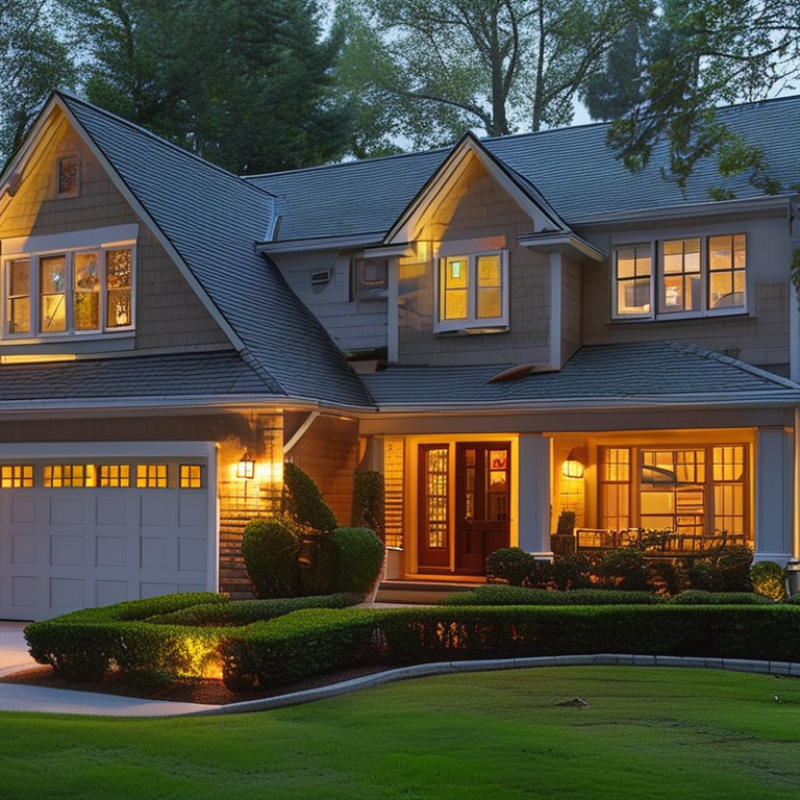
Flood lights play a crucial role in enhancing home security. Their bright illumination can deter intruders and provide a sense of safety. The presence of well-placed flood lights often makes homes less appealing to potential burglars. A well-lit property signals that the area is monitored and watched, reducing opportunities for crime.
To maximize their effectiveness, flood lights should be installed in strategic locations. Key areas include driveways, entryways, and dark corners of the yard. This positioning discourages trespassers. However, homeowners must also consider the potential for light pollution or glare that might disturb neighbors. Balance is key.
Not all flood light setups will be perfect. Some homes may experience blind spots despite the best efforts. It's essential to regularly evaluate the lighting arrangement and make adjustments as needed. Over time, personal experience will refine understanding of effective placement. Ultimately, flood lights can be a valuable component of a comprehensive home security plan.
| Tip Number | Placement Area | Reason for Placement | Height Recommendation |
|---|---|---|---|
| 1 | Entry Points | Deters intruders and illuminates pathways | 8-10 ft |
| 2 | Driveway | Increases visibility for arriving vehicles | 10-12 ft |
| 3 | Backyard | Discourages unwelcome visitors | 10-15 ft |
| 4 | Garage | Provides illumination for vehicle entry | 8-10 ft |
| 5 | Pathways | Ensures safe navigation to and from the house | 6-8 ft |
| 6 | Near Windows | Illuminates suspicious activity outside | 8-10 ft |
| 7 | Front Porch | Enhances visibility and security | 8-10 ft |
| 8 | Patio | Provides light for gatherings and deters threats | 10-12 ft |
| 9 | Pool Area | Increases safety and security during night use | 8-10 ft |
| 10 | Around Fences | Improves perimeter security and visibility | 10-12 ft |
: Flood lights enhance security by deterring intruders with bright illumination. They make homes less appealing to burglars.
Install flood lights in driveways, entryways, and dark yard corners. Strategic positioning discourages trespassers effectively.
Mount flood lights at 8 to 10 feet high, angled down at 30 to 45 degrees. This reduces shadows and increases coverage.
Poor angle or obstruction can create blind spots. Regularly assess lighting arrangements to minimize these areas.
Regularly check bulbs, clean fixtures, and ensure no debris blocks light. Maintenance is crucial for optimal performance.
Seasonal changes like falling leaves can obscure lights. Trim surrounding branches to ensure full illumination year-round.
Flickering bulbs may need replacement. Regular inspections help identify issues before they compromise security.
Periodic checks on the light direction are important. Weather or movement can alter their position, requiring adjustments.
Timers and sensors should be reviewed regularly. Malfunctioning units can leave your home vulnerable at night.
Excessive lighting can cause glare or light pollution. Balancing bright illumination with neighbor concerns is essential for harmony.
Flood lights play a crucial role in enhancing home security by illuminating dark areas that could be potential entry points for intruders. To maximize their effectiveness, it's essential to understand where to place flood lights for best home security. Key areas include entryways, driveways, garages, and backyards, as these locations are often targets for criminal activity.
Optimal height and angles are also important; installing lights high enough to avoid tampering, while angling them to cover a wide area can significantly improve visibility. Additionally, choosing the right type of flood lights, such as LED for efficiency and longevity, contributes to security. Regular maintenance ensures that lights remain functional and effective, further protecting your home from potential threats.

