Indoor vegetable growth is becoming increasingly popular. As more people turn to urban farming, understanding light requirements is crucial. The question arises: what is the best lighting spectrum for indoor vegetable growth? Research shows that light quality directly impacts plant health and productivity.
According to a report by the USDA, specific light wavelengths stimulate photosynthesis effectively. Blue light promotes vegetative growth, while red light enhances flowering and fruiting. This duality can optimize yields. However, many growers overlook the importance of a balanced spectrum. Inadequate lighting can lead to weak plants and lower harvests.
The challenge lies in choosing the right lighting system. LED technology has gained traction due to its efficiency and adaptability. However, not all LEDs are created equal. A recent study highlighted that spectrum tuning can improve growth rates significantly. As we explore what is the best lighting spectrum for indoor vegetable growth, it’s essential to consider these findings carefully for successful cultivation.
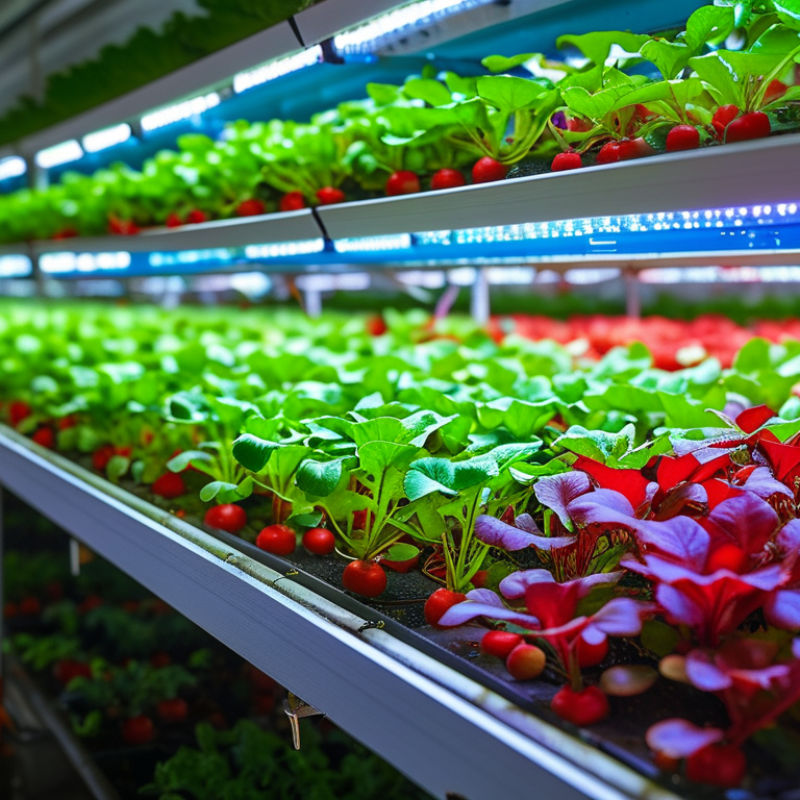
Understanding the growth stages of plants is essential for optimizing their lighting needs. Plants go through various phases, including germination, vegetative growth, and flowering. Each stage has specific requirements. Light intensity, duration, and spectrum play crucial roles in plant health and yield.
During the germination phase, seeds require less light. A spectrum that promotes root growth is beneficial. Once seedlings emerge, they enter the vegetative stage. Here, they need more light, specifically in the blue spectrum. Blue light fosters strong, healthy leaves. However, too much intensity can stress the young plants. Monitoring their response is crucial.
As plants transition to the flowering stage, their lighting needs shift. They require a different spectrum, rich in red light. This encourages flower production. But if the light duration is too long, plants may revert to vegetative growth. Finding the right balance takes experimentation. Adjusting light conditions based on plant reactions is essential for success.
| Vegetable Type | Growth Stage | Optimal Light Spectrum (nm) | Recommended Duration (hours/day) |
|---|---|---|---|
| Lettuce | Seedling | 400-500 (Blue) | 14-16 |
| Tomato | Vegetative | 500-600 (Green) | 16-18 |
| Pepper | Fruit Development | 600-700 (Red) | 12-14 |
| Basil | Mature | 400-700 (Full Spectrum) | 12-16 |
| Cucumber | Seedling | 400-500 (Blue) | 14-15 |
The light spectrum plays a crucial role in indoor vegetable growth. Plants depend on a range of wavelengths for essential processes. The key components of the light spectrum for vegetables include blue light, red light, and a bit of green light. Blue light (400-500 nm) supports vegetative growth, while red light (600-700 nm) is vital for flowering and fruiting. According to studies, a balanced combination of these wavelengths enhances photosynthesis and improves yield.
Research shows that many vegetables thrive under specific light conditions. For instance, lettuce requires a higher intensity of blue light for optimal growth. In contrast, tomatoes flourish with increased red light as they transition to flowering. A well-designed lighting setup can mimic these natural conditions, leading to better plant health and productivity.
Tips: Adjust the light spectrum based on the growth stage of the vegetable. Monitor plant responses to different light intensities. Regularly assess your setup for any inefficiencies. It's essential to find the right balance and to remain flexible in your approach to lighting strategies.
When it comes to indoor vegetable growth, the effects of different light colors are significant. Plants utilize specific wavelengths for photosynthesis.
Red light, for example, encourages stem elongation and flowering. Blue light is essential for leaf growth and overall plant health. Therefore, a balanced spectrum can enhance various growth stages.
However, determining the optimal light color spectrum is not straightforward. Different species may respond uniquely to certain wavelengths.
For instance, leafy greens may thrive with more blue light, while fruiting plants may require more red. Adjusting light conditions based on plant needs can lead to better growth and yield. This requires ongoing observation and adaptation.
Growing indoors often leads to a trial-and-error process. Some growers might overestimate the need for certain light colors. This could result in leggy plants or poor yields. Finding the right balance takes time and expertise.
Experimenting with different light setups can help identify what works best for your specific plants. Observation and adjustment are critical for success.
When growing indoor vegetables, light intensity and duration are crucial factors. Vegetables typically require at least 12 to 16 hours of light daily. For optimal growth, aim for a light intensity of 400 to 700 µmol/m²/s. This range mimics natural sunlight, fostering better photosynthesis. However, not every plant responds the same way.
Some plants may thrive under lower light conditions. Overexposure can lead to stress and hinder growth. Consider adjusting the light based on your specific vegetables. Monitoring the plants is key. Yellowing leaves might indicate too much light, while leggy growth often suggests insufficient light.
The distance between the light source and the plants also matters. Keep lights within an appropriate range to avoid burning the leaves. Experimenting with different durations can yield surprising results. A few extra hours may enhance growth, while reducing time might work for certain plants. This journey of finding the right balance often requires patience and observation.
This chart illustrates the optimal light intensity measured in micromoles per square meter per second (µmol/m²/s) and the recommended duration of light exposure (in hours) for various indoor vegetables including lettuce, tomatoes, and peppers. Providing the right light spectrum and intensity is crucial for maximizing growth rates and yields.
When it comes to indoor vegetable growth, lighting plays a crucial role. Different artificial lighting technologies are available, each with advantages and disadvantages. LED lights, for example, are energy-efficient and can provide the specific light spectrum required for plant growth. However, they may not penetrate dense foliage effectively. High-Intensity Discharge (HID) lights, on the other hand, offer strong light output. Yet, they generate significant heat, which can be challenging to manage in a closed environment.
Another option is fluorescent lights. These are often used for seedlings and young plants since they offer a gentle light source. However, their intensity is lower than that of other technologies. It's essential to consider the type of plants being grown. Some may thrive in lower light conditions, while others may demand more intensity.
Balancing cost and effectiveness is also not straightforward. While LEDs have a higher initial cost, their longevity can offset the upfront investment. Gardeners must reflect on their specific needs and growing environment. Each technology requires an ongoing commitment to adjust and optimize for the best results. Understanding these factors can significantly impact the health and productivity of indoor vegetable gardens.
: The essential components are blue light, red light, and a bit of green light.
Blue light, between 400-500 nm, supports vegetative growth in plants like lettuce.
Red light, from 600-700 nm, is crucial for flowering and fruiting in plants such as tomatoes.
Vegetables typically need 12 to 16 hours of light each day for healthy growth.
Ideally, light intensity should be between 400 and 700 µmol/m²/s for effective photosynthesis.
Yellowing leaves may indicate too much light. Adjust the light intensity accordingly.
Keep lights at a safe distance to prevent burning leaves while providing adequate light.
LED lights are energy-efficient and offer specific light spectra but may struggle with dense foliage.
HID lights provide strong output but generate significant heat, which requires careful management.
Monitoring allows you to adjust light conditions based on individual plant needs, enhancing overall growth.
In exploring what is the best lighting spectrum for indoor vegetable growth, it becomes essential to understand the various stages of plant growth and their specific lighting needs. Plants require different light wavelengths to support processes such as photosynthesis, germination, and flowering. Key components of the light spectrum include blue light, which promotes vegetative growth, and red light, which enhances flowering and fruit production.
Additionally, light intensity and duration are critical factors influencing the health and yield of indoor vegetables. Properly calibrating these elements can lead to healthier plants and better harvests. A comparative analysis of artificial lighting technologies reveals that options such as LED, fluorescent, and HID lighting each have distinct benefits and drawbacks, making careful selection crucial for optimizing indoor vegetable cultivation. Overall, understanding these factors is vital in determining the best lighting spectrum to support successful indoor gardening.
