When selecting LED bulbs, knowing how to tell if an LED bulb is dimmable is crucial for achieving the desired lighting. Dimmable bulbs provide flexibility in ambiance. This feature allows you to adjust brightness according to your needs, enhancing comfort and functionality.
However, not all LED bulbs are created equal. Some may claim to be dimmable, but their performance can vary widely. You might notice flickering or a limited dimming range in certain models. To avoid disappointment, understanding the right indicators is essential. Look for specific labels or certifications on the packaging.
Many factors influence whether an LED bulb can be dimmed effectively. Compatibility with your dimmer switch is one of them. Sometimes, even well-rated bulbs can behave poorly with specific dimmer types. Research and expert opinions can help. Ultimately, being informed will lead to better choices and improved lighting experiences in your home.
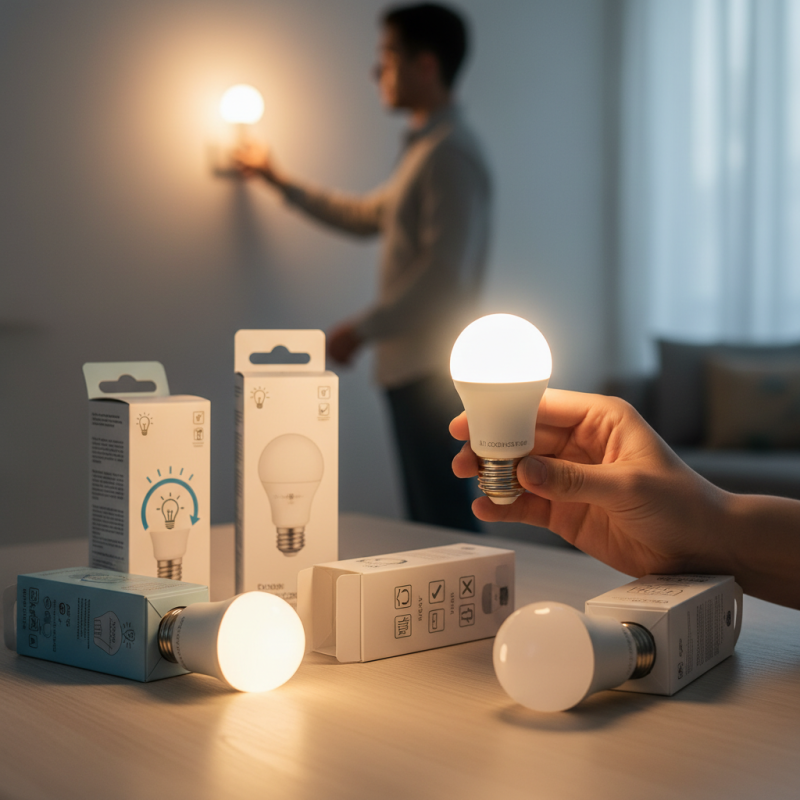
Dimmable LED bulbs are becoming increasingly popular in modern lighting design. They offer versatility and energy efficiency, making them a top choice for many homeowners. One of the key benefits of these bulbs is their ability to adjust brightness. This feature allows you to create the perfect mood in any room. For instance, dimmed lights can make a cozy evening feel more inviting.
Understanding how dimmable LED bulbs function is crucial. Unlike traditional bulbs, these LEDs require compatible dimmer switches. A mismatch can lead to flickering lights or reduced lifespan. Also, not all LED bulbs are dimmable, so it’s essential to check specifications. A poorly selected bulb can detract from the intended ambiance, causing frustration.
Moreover, energy savings are a significant advantage. Dimmable LEDs consume less power when dimmed, lowering your electricity bill. However, it's important to consider your usage patterns. If lights are often left on, even the dimmable feature doesn’t mitigate energy waste entirely. Observing your habits can help you make more efficient choices in lighting.
When selecting dimmable LED bulbs, certain features are essential for optimal performance. Look for compatibility with your existing dimmer switch. Not all LED bulbs work smoothly with dimmers. Research shows that some combinations can lead to flickering or buzzing noises. This could be an irritation in a quiet setting. Always check if the bulb is labeled as "dimmable" to avoid future frustration.
Another critical feature is color temperature. Many dimmable LED bulbs offer a range from warm to cool light. This allows you to create different atmospheres in your space. A warm light may enhance comfort in living areas. Conversely, cooler light can increase focus in workspaces. It's wise to test out a few options. Your personal preference is paramount here, as it affects mood.
The brightness level is also vital. Lumens indicate how bright a bulb will shine. Higher lumens equal brighter light. However, more lumens are not always better. Consider the room size and purpose. For intimate settings, lower brightness may be more appealing. There’s often a balance between the practical and aesthetic. Achieving this balance requires careful thought and personal reflection.
This chart illustrates the key features to consider when identifying dimmable LED bulbs. The metrics include average wattage, lumens per watt, lifespan, dimming range percentage, and color temperature in Kelvin.
Dimmable LED bulbs offer versatile lighting options for homes and offices. These bulbs come in multiple types, each serving a specific purpose. The main categories include soft white, daylight, and color-changing options. Soft white bulbs emit a warm glow, perfect for cozy spaces. Daylight bulbs mimic natural light and are ideal for tasks requiring concentration.
Another important type is the smart dimmable LED. These can be controlled via smartphone apps or voice commands. Their flexibility enhances convenience and energy efficiency. However, compatibility with existing dimmer switches can vary, leading to flickering or buzzing sounds. It's essential to choose the right type for your fixtures.
Choosing the perfect dimmable LED bulb is not always straightforward. Many factors influence decisions. For instance, the bulb's brightness and color rendering index should align with your needs. Misjudging these can result in dissatisfaction. Occasional trial and error is part of the journey to finding the best lighting solutions.
Installing dimmable LED bulbs can enhance your home ambiance. The process involves several important steps.
Choose the right dimmer switch. Not all dimmers are compatible with LED bulbs. A suitable dimmer ensures optimal performance and flicker-free lighting.
If you notice flickering, consider upgrading your dimmer.
Next, turn off the power. Safety is crucial during installation. Flip the circuit breaker to the off position.
Use a voltage tester to confirm no electricity flows. This step prevents accidents. Remove the old bulb carefully. Pay attention when handling fixtures.
If the bulb is stuck, twist gently without forcing it.
Now, install the new dimmable LED bulb. Ensure it fits snugly into the socket. A loose connection can lead to poor performance.
After securing the bulb, turn the power back on. Test the dimmer by adjusting the brightness. If there are issues, it may require troubleshooting.
Remember, patience is key. Sometimes, it may take a few tries to get everything right.
Dimmable LED bulbs can enhance ambiance and save energy. However, they may present some common issues. Understanding these problems can help in troubleshooting effectively. One frequent issue is flickering. Flickering often occurs when the bulb is not compatible with the dimmer switch. Checking the dimmer's specifications is key. Not all dimmers work with all LED bulbs.
Another problem is buzzing noise. This can be annoying and distracting. It usually results from a poor connection or incompatible dimmer. Testing a different dimmer or adjusting the wattage can sometimes resolve this. Many users overlook the importance of matching wattage. It's crucial to select bulbs that do not exceed the dimmer's limit.
Color temperature variations can also be frustrating. Expecting a warm glow and getting a harsh light is disappointing. Some bulbs may not maintain consistent colors when dimmed. Identifying bulbs with excellent reviews for color quality is a good approach. It's also important to experiment with different bulbs, as experiences can differ. Users may find that trial and error is necessary to achieve the desired results.
: Dimmable LED bulbs come in soft white, daylight, and color-changing options. Each serves a specific purpose.
Smart bulbs allow control via apps or voice. They enhance convenience and can improve energy efficiency.
Common issues include flickering and buzzing noises. These often relate to dimmer compatibility or poor connections.
Check if the bulb is compatible with the dimmer switch. Compatibility is crucial to avoid flickering problems.
Consider brightness and color rendering. Misjudging these factors can lead to dissatisfaction with your lighting.
A buzzing sound usually indicates a poor connection or incompatible dimmer. Adjusting wattage or changing dimmers may help.
Look for bulbs with good reviews for color quality. Experimenting with different bulbs can help meet your expectations.
Yes, occasionally trial and error is part of finding the best lighting solutions for your space.
Exceeding the wattage limit can lead to functionality issues. Always match bulb wattage with the dimmer's specifications.
Yes, mismatches with dimmers can cause flickering or buzzing. Being aware of these risks can lead to better choices.
Dimmable LED bulbs offer a versatile lighting solution that enhances ambiance and energy efficiency in homes and businesses. To understand how to tell if an LED bulb is dimmable, it’s essential to look for specific features such as compatibility with dimmer switches, the bulb’s wattage rating, and its construction details. There are various types of dimmable LED bulbs, including standard, decorative, and PAR bulbs, each serving different purposes and preferences.
When installing dimmable LED bulbs, ensure proper wiring and compatibility with existing fixtures to avoid common issues such as flickering or buzzing. If problems arise, troubleshooting steps like checking the dimmer switch and ensuring the bulb is properly seated can often resolve the issues. By understanding these aspects, users can make informed decisions about which dimmable LED bulbs suit their needs best.
